Lawyers seek funder for Credit Suisse AT1 bondholders’ class action

Yong Hui Ting
Yong Hui Ting

Published Thu, Apr 20, 2023 · 05:50 AM
    • If the AT1 bondholders are successful, they will not have to pay for the suit and will have a chance of getting perhaps 15 per cent to 20 per cent of their monies back, says WilmerHale partner Jonathan Lim.
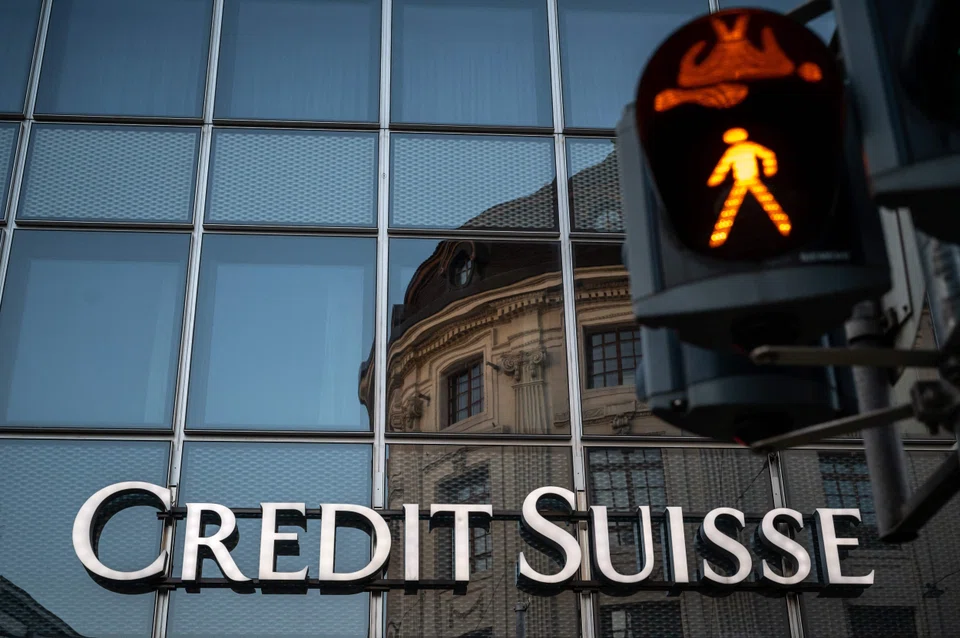
    • If the AT1 bondholders are successful, they will not have to pay for the suit and will have a chance of getting perhaps 15 per cent to 20 per cent of their monies back, says WilmerHale partner Jonathan Lim. PHOTO: AFP

    LAWYERS who may be representing a group of Singaporean bondholders who bought Credit Suisse’s Additional Tier-1 (AT1) bonds are seeking a litigation funder to support a class-action suit against the Swiss government over the write-down of the lender’s AT1 debt. (*see amendment note)

    If the bondholders are successful, they will not have to pay for the suit. The funders and bondholders will have a chance of getting perhaps 15 per cent to 20 per cent of their monies back, said Jonathan Lim, a partner at WilmerHale who specialises in international arbitration.

    He has been in talks on behalf of the bondholders with some third-party sponsors who have indicated interest in funding the litigation. None have officially committed to do so.


    This is known as litigation funding, where a third party finances some or all of the expenses involved in one or more legal disputes, in exchange for a share of the proceeds recovered from the resolution of the disputes.

    On Mar 20, the Swiss government announced that US$17 billion of Credit Suisse perpetual bonds would be written off as part of UBS’ takeover of the bank.

    This meant that bondholders, who are traditionally prioritised over shareholders, would not get anything back on their investments. Credit Suisse’s shareholders, on the other hand, would receive one UBS share for every 22.48 Credit Suisse shares held.

    The Business Times previously reported that it may be difficult for these investors to recover their losses, given that there were clauses in the bond contract that allowed the bondholders’ priority to be revoked in the event of a restructuring.

    But bondholders in Singapore who are speaking to WilmerHale, together with some local law firms including Engelin Teh Practice, will be taking a unique approach available to only some bondholders: They are claiming that the writing down of AT1 debt by the Swiss Financial Market Supervisory Authority breached rights that are protected under the free trade agreement (FTA) that was signed by Singapore and the European Free Trade Association in 2003.

    About 30 bondholders are coming together to file a collective action against the Swiss government, The Straits Times reported on Monday (Apr 17).

    These investors may have a shot at success.

    Boey Swee Siang, a partner heading the dispute-resolution practice at RPC Premier Law, said the investors have a reasonable case, although he was unsure how high the chances of success are.

    “It’s not your typical expropriation case… like the government just confiscates the property,” he said. “The FTA allows the contracting state to actually expropriate, but subject to compensation. What that compensation will be, how fair it will be… That’s something which I suppose can be worked out.”

    This process could, however, take a while – up to five years, said WilmerHale’s Lim, who has been handling cross-border litigation cases for the past nine years.

    Another development that could have an impact on the case is the Swiss government’s promise to provide US$122 billion in guarantees for Credit Suisse’s merger with UBS. That commitment, which was decided on by the Swiss government through emergency law, was repeatedly rejected by the country’s own parliament.

    Some lawyers and politicians are now wondering if the decision should be binding, even though the deal had already been signed when the merger took place in March.

    For starters, the group is now looking to gather more bondholders to be represented in the suit. Lawyers involved said AT1 bondholders from China, India, Japan and South Korea are also welcome to join the group, as these countries also have treaties with Switzerland.

    In Singapore, only accredited investors are allowed to buy AT1 bonds. To get accreditation under Monetary Authority of Singapore rules, investors must have either an income of at least S$300,000 in the last 12 months; net personal assets of at least S$2 million; or financial assets, net of any related liabilities, exceeding S$1 million.

    *Amendment note: The article earlier mentioned that both WilmerHale and Engelin Teh Practise were representing the bondholders. The law firms have clarified that the bondholders are not being represented at present as talks are underway. Up to 20 per cent of what may be recovered will also be shared with the funders. The article has been amended to reflect this.