

Lenders fuel higher consumer spending in India with easy credit
 Add BT as a preferred source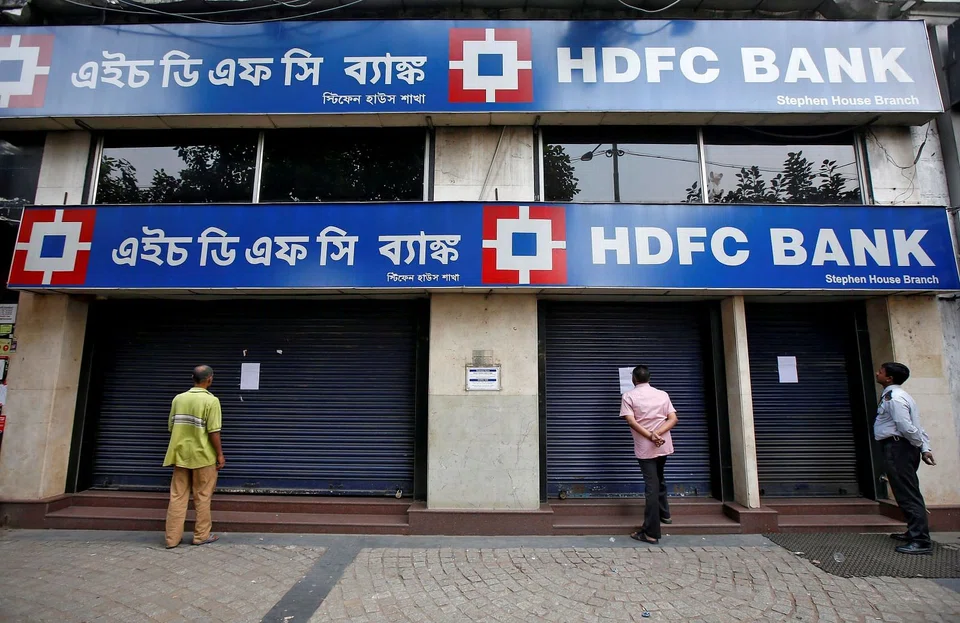
DeeperDive is a beta AI feature. Refer to full articles for the facts.
Mumbai
SOME of India's top lenders and shadow finance companies are helping to fuel demand among consumers wanting to splurge on everything from clothes to two-wheelers and homes, offering hopes of a consumption-driven recovery in Asia's third-largest economy.
Businesses are expecting that sales during Diwali - the Hindu festival of lights - will pick up to levels seen before the pandemic struck early last year. That is in part because financiers, sitting on a huge pile of excess cash, are eager to lend with outstanding consumer durable loans already at their highest in more than three years.
Borrowers want to take advantage of record low interest rates, an improving labour market as lockdowns ease, and a better economic outlook as vaccinations gather pace.
HDFC Bank's retail loans surged 12.9 per cent in the three months ended September from a year earlier, the lender's first double-digit growth in such loans since the onslaught of the pandemic. The country's third-largest private lender Axis Bank's retail loans rose by 16 per cent, the fastest pace in five quarters, and India's top consumer lender Bajaj Finance's assets increased by a record.
"We expect economic activity to recover further, driven by the festive season, pick-up in vaccination and the likely increase in government spending," Srinivasan Vaidyanathan, chief financial officer at HDFC Bank, said at a recent earnings call. Spending by the government on better health services, roads and infrastructure is crucial as it lifts growth and incomes, economists say.
Navigate Asia in
a new global order
Get the insights delivered to your inbox.
Vaidyanathan added that loans to the retail sector were going up. For the country's largest private lender, that's a shift in strategy after it had pulled back on retail lending last year.
Overall, personal loans offered by banks grew 12.1 per cent in September as compared to 8.4 per cent a year earlier, driven by consumer durables, housing, vehicle loans and borrowings against gold jewellery, according to the Reserve Bank of India.
And it's not only banks, but also some shadow lenders - a sector hobbled by a damaging default in 2018 - that are keen to jump in by offering loans for as little as 10,000 rupees (S$180).
Mumbai-based Mehul Kumar, a 24-year old YouTuber, decided to buy a sports bike recently with a loan of 1.3 million rupees. "Interest rates are low, banks are keen to lend during Diwali and the winter season is great for biking. I got my loan approved in just 24 hours," he said.
Indian lenders have used the pandemic to shore up their capital base, which is now allowing them to increase lending, especially to the household sector.
Private sector banks, which have been at the forefront of stepping up consumer loans, raised 536 billion rupees of equity money in the last financial year while their state-run peers raised 120 billion rupees in capital.
"Growth is looking better at this time across a wider set of segments, recoveries are in control," said Dipak Gupta, joint managing director at Kotak Mahindra Bank. "All of that gives a comforting feeling to take the foot off the brake and start moving it to the accelerator."
According to Rajeev Jain, managing director at Bajaj Finance, there has been a strong revival in growth in recent months, compared to when the second Covid wave was at its peak - a period he described as a "famine".
"We live in some famine and feast times," Jain added. In the absence of another wave of infections "we are quite confident about the second half of the year on growth". BLOOMBERG
Decoding Asia newsletter: your guide to navigating Asia in a new global order. Sign up here to get Decoding Asia newsletter. Delivered to your inbox. Free.
Share with us your feedback on BT's products and services
TRENDING NOW

From 1MDB to ‘corporate mafia’: Is Malaysia facing a new governance test?

Higher costs, lower returns: Why are Singaporeans still betting on real estate?

South-east Asian markets account for 8.8% of global capital inflows from 2021 to 2024: report

Richard Eu on how core values, customers keep Singapore’s TCM chain Eu Yan Sang relevant

