Likelihood of US recession may see buying opportunity in tech
Technology will continue to transform, disrupt for next decade; companies staying private for longer, say big investors
Singapore
THE likelihood of a recessionary environment in the US in the next 18 months is very high, according to Wellington Management partner and private equity lead portfolio manager Michael Carmen. Wellington Management is an independent investment management firm with over US$1 trillion in client assets under management.
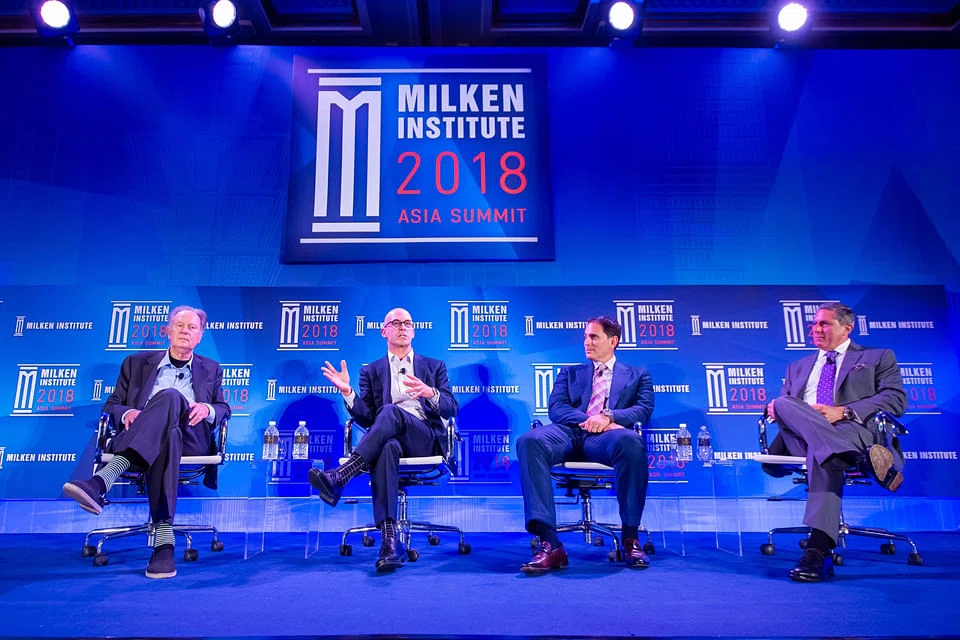
Speaking during a panel at the Milken Asia Summit on Friday, Mr Carmen said: "I think we have to be cognisant of the fact that we are in a late cycle, we are 10 years into recovery."
His views come as global investors and experts warned this week of recession prospects by 2020. Potential factors include over-tightening monetary policy in the US and fiscal stimulus policies running out.
Mr Carmen added that the recession will likely be "shallow" and a buying opportunity, particularly for technology.
"I think technology is going to continue to be transformational and disruptive and that's going to last for at least the next decade," he said.
Brian Sheth, co-founder and president of investment firm Vista Equity Partners, highlighted opportunities in enterprise software.
"Part of what makes it so exciting, for those who invest in it ... it's the largest part of the technology industry", he said. "Since we started Vista 18 years ago, it was 10 per cent of total technology spend. Now it's 50 per cent and it's growing faster in the overall IT budget."
David Bonderman, chairman and founding partner of US$84 billion-alternative investor TPG Capital, agreed and said there is "no better returning asset class than software".
Another trend highlighted was the notion of companies now staying private for a longer time.
Mr Carmen said that the notion first started happening in the US market about 15 years ago largely due to the Sarbanes-Oxley Act, which was implemented to protect shareholders and the public from accounting errors and fraudulent practices in firms and to improve the accuracy of corporate disclosures.
He said that it raised the cost and regulatory burden of companies going public, thus, companies with "two, three, four hundred-million dollar" market caps would be less likely to go public.
He observed that the trend is likely to stay. "Whether you're the largest of these companies like Meituan, Uber, Lyft or Airbnb - they're staying private for 40, 50, 60-billion dollar market caps - or you're at a lower level of one, two, three, four billion, if that capital is available, which clearly it is, you can really refine your model," Mr Carmen said.
"For the first time over the last few years, there's liquidity in the private markets," Mr Bonderman concurred, citing Uber and Airbnb as examples of companies which have raised capital without going public.