

Malaysia rules out capital controls, currency peg as ringgit trades near 24-yr low
 Add BT as a preferred source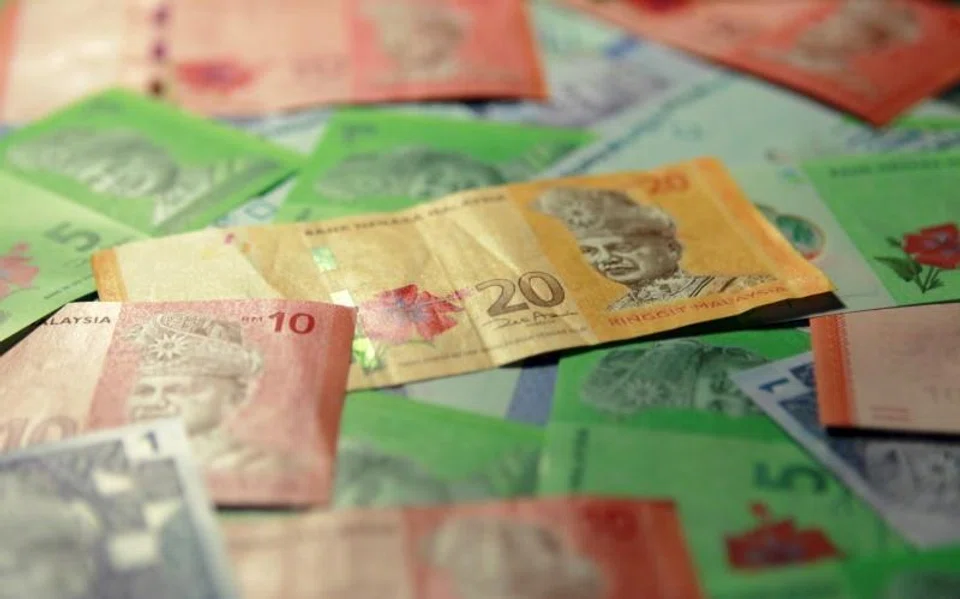
DeeperDive is a beta AI feature. Refer to full articles for the facts.
MALAYSIA will not impose capital controls or peg the ringgit to the US dollar, the central bank said on Friday (Sep 23), as the currency trades near a 24-year low.
The ringgit has dropped nearly 9 per cent this year, in line with a slide in other emerging market currencies, as the US dollar has strengthened.
“Rather than resorting to capital controls or re-pegging of the ringgit, the policy priority now is to sustain economic growth in an environment of price stability and to further strengthen domestic economic fundamentals through structural reforms,” Governor Nor Shamsiah Mohd Yunus said in a statement.
“This will provide a more enduring support for the ringgit,” she added.
The central bank also said it will continue to closely monitor and ensure orderly financial market conditions amid a stronger dollar.
The ringgit was trading at 4.568 to the dollar on Friday. It had fallen to 4.569 on Thursday, its lowest since January 1998.
Navigate Asia in
a new global order
Get the insights delivered to your inbox.
In 1998, during the Asian financial crisis, Malaysia had pegged the ringgit at 3.8 to the US dollar and imposed capital controls. It was eventually removed in 2005.
This week, Malaysia’s finance minister Tengku Zafrul Aziz also ruled out pegging the ringgit, saying such a move would be very risky and result in capital outflows.
Malaysia’s economy is gradually recovering from impacts of the pandemic, though global risks are set to weigh on future growth.

The economy grew at its fastest annual pace in a year in the second quarter, boosted by expansion in domestic demand and resilient exports. REUTERS
Decoding Asia newsletter: your guide to navigating Asia in a new global order. Sign up here to get Decoding Asia newsletter. Delivered to your inbox. Free.
Share with us your feedback on BT's products and services
TRENDING NOW

Air India asks Tata, Singapore Airlines for funds after US$2.4 billion loss
‘Boring’ is the new black: The stars are aligning for a Singapore stock market revival

From 1MDB to ‘corporate mafia’: Is Malaysia facing a new governance test?

South-east Asian markets account for 8.8% of global capital inflows from 2021 to 2024: report

