Malaysian Central Bank rejects using ringgit to help exports
It says strong growth and ongoing reforms provide support for the ringgit
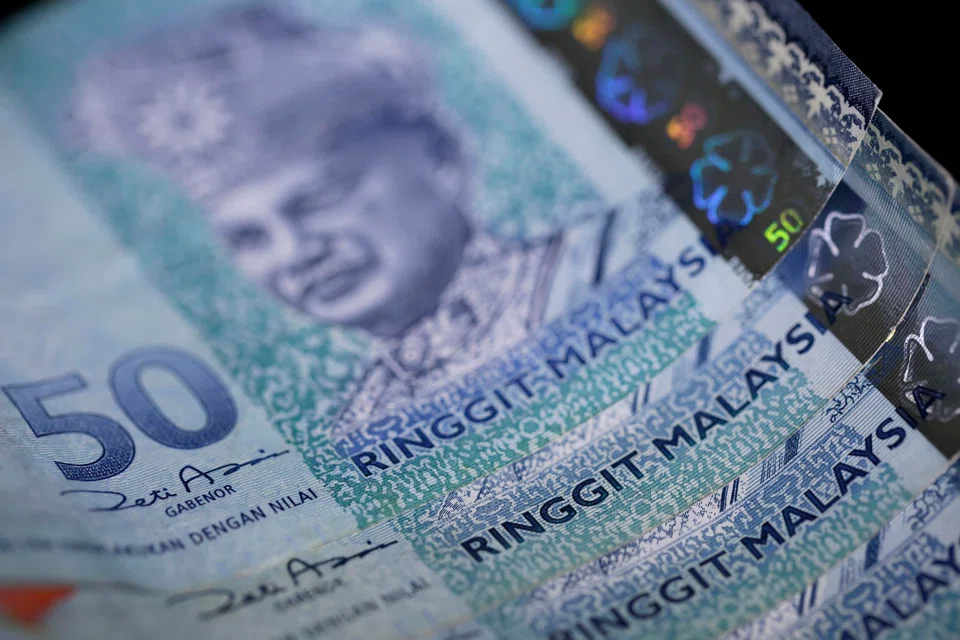
[KUALA LUMPUR] Malaysia’s central bank said strong growth and ongoing reforms would provide support for the ringgit, ruling out using the currency to support exports, which it said are determined by global demand.
“The ringgit has never been an instrument for export competitiveness” Bank Negara Malaysia said in a written response to questions on Friday (Jan 30). While the central bank will continue to ensure “orderly conditions” in the foreign exchange market, “the ringgit is market-determined.”
The comments come as the currency has outperformed all Asian peers in 2026, rising 3 per cent, after gaining around 10 per cent last year. That is in stark contrast to the performance of neighbouring Indonesia this month, where equities saw the worst rout since 1998 and the rupiah hit a record low versus the greenback.
Despite the ringgit’s gains, Malaysia has seen robust exports growth, with record shipments of manufactured goods in December. The latest export figures highlight Malaysia’s resilience in the face of 19 per cent US tariffs that came into effect last year.
The ringgit was trading 0.2 per cent lower at 3.9375 per dollar at 12.15 pm Kuala Lumpur time.
Global demand plays “the bigger role” in driving exports instead of the ringgit, Bank Negara said, noting that it continues to “observe a stable conversion” of exporters’ foreign currency proceeds into the ringgit.

Malaysia’s growth has also stood out relative to many of its peers. Gross domestic product in 2025 grew by 4.9 per cent, above the government’s forecast of a 4 per cent to 4.8 per cent expansion, supported by robust services and manufacturing. In contrast, the Philippine’s full year GDP for last year slowed to 4.4 per cent, below the official 5.5 per cent to 6.5 per cent target.
“Malaysia’s economy is expected to remain resilient,” Bank Negara said, citing domestic demand and investment activity, though there are external risks. “This, together with the ongoing structural reforms, will provide continued and enduring support for the ringgit.” BLOOMBERG
Decoding Asia newsletter: your guide to navigating Asia in a new global order. Sign up here to get Decoding Asia newsletter. Delivered to your inbox. Free.
Share with us your feedback on BT's products and services