

Malaysian ringgit holds gain as crude oil rebounds; baht slides
 Add BT as a preferred source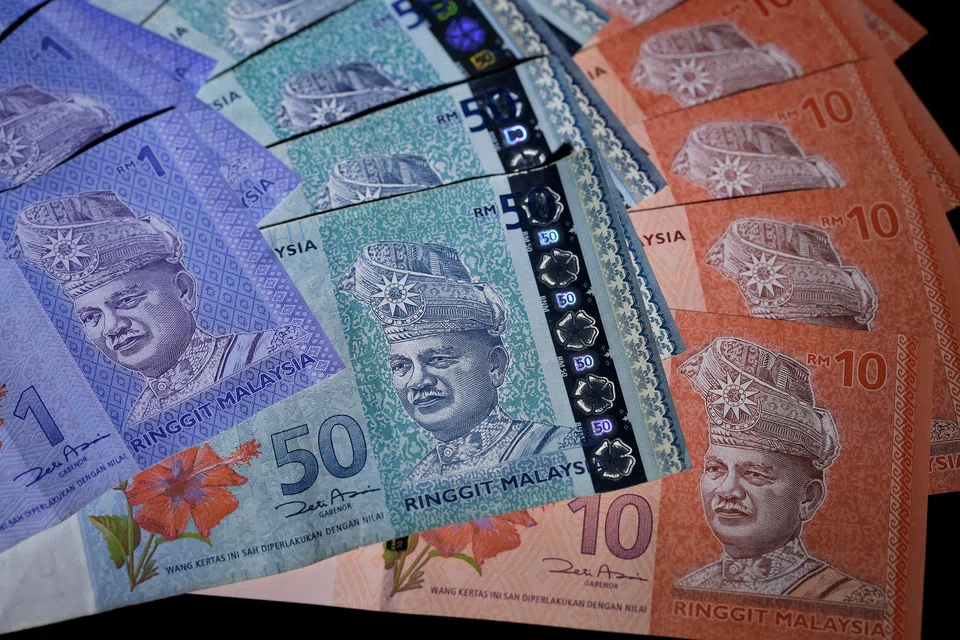
DeeperDive is a beta AI feature. Refer to full articles for the facts.
[KUALA LUMPUR] Malaysia's ringgit held gains, defying a decline in Asian currencies, as a jump in crude oil prices brightened the prospects for the nation's energy revenue.
The ringgit climbed as much as 0.5 per cent after Brent jumped to a one-year high Monday after Saudi Arabia and Russia, the world's two largest crude oil producers, said they're ready to cooperate to limit output.
A gauge of the US dollar rose as futures showed there was a two-in-three chance the Federal Reserve will raise interest rates by year-end even as US jobs data last week missed estimates.
"The general backdrop of a firmer dollar is weighing on Asian currencies except the ringgit, which is benefiting from the rally in oil prices," said Mitul Kotecha, head of Asia currency and rates strategy at Barclays Plc in Singapore.
"Friday's payrolls wasn't conclusive but the futures are increasingly pricing in a December hike and that itself is driving the dollar higher."
The ringgit was little changed at 4.1515 per US dollar as of 9:39am in Kuala Lumpur, according to prices from local banks compiled by Bloomberg, after gaining 0.1 per cent during the previous trading session. South Korea's won retreated 0.4 per cent to 1,114.45 after recording its biggest one-day gain in two weeks Monday.
Navigate Asia in
a new global order
Get the insights delivered to your inbox.
Baht Slides
Thailand's baht weakened 0.3 per cent to 35.192 and reached a three-month low of 35.201, according to data compiled by Bloomberg. It's headed for a seventh day of losses, the longest slide since July 2015, after the royal palace said Sunday the king's condition was unstable. The health of King Bhumibol Adulyadej is closely watched as he is revered by many for what they say has been his unifying presence during a seven-decade reign.
Global funds sold US$332.6 million of Thai bonds Monday, the biggest outflow since February, according to data from the Thai Bond Market Association.
South Korea's 10-year government bonds fell for a second day, pushing the yield up five basis points to 1.60 per cent, according to prices from local banks compiled by Bloomberg. Global funds have bought more than US$16 billion of South Korean and Malaysian bonds so far this year, according to exchange data.
BLOOMBERG
Share with us your feedback on BT's products and services
TRENDING NOW

China pips the US if Asean is forced to choose, but analysts warn against reading it like a sports result

Beijing’s calculated silence on the Iran war

Shelving S$5 billion office redevelopment plan proved ‘wise’ as geopolitical risks mount: OCBC chairman

Vietnam formalises new state leadership, redefining ‘four pillars’ power balance

