

More interest rate hikes needed, but there is ‘flexibility’ about the pace: Fed’s Waller
Most US central bankers expect another quarter-point hike by the end of the year
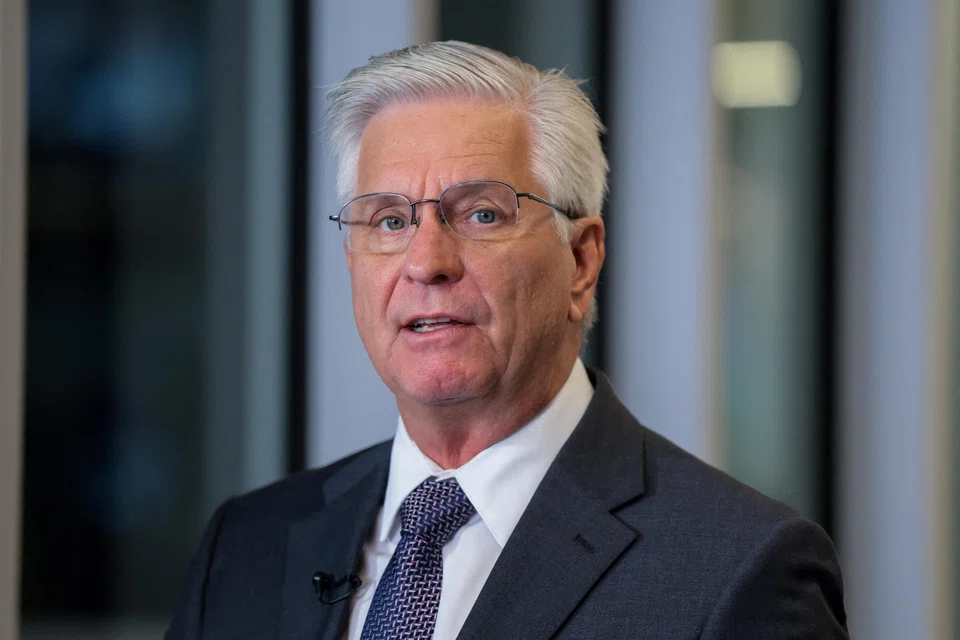
[WASHINGTON] US Federal Reserve Governor Christopher Waller said on Thursday (Oct 8) that additional rate hikes will likely be needed to lower inflation to the Fed’s 2 per cent target, but added there was “flexibility” about the pace of increases and left the door open for a pause at the Fed’s upcoming October meeting.
“If the economic data continue to come in as expected, I anticipate additional hikes to support a timelier return of inflation to our 2 per cent goal,” Waller said in remarks prepared for delivery at a Central Bank of Turkey forum in Istanbul.
“But there is some flexibility about when those hikes will occur. The hikes do not need to come at consecutive meetings, but they should be in place in an acceptable period of time.”
Waller’s comments add to those of other Fed officials in recent days suggesting they will likely keep the policy rate steady at the current 3.75 per cent to 4 per cent range when they meet on Oct 27-28, with a rate increase likely in December if incoming data shows an economy with continued low unemployment, ongoing growth, and only limited, if any, immediate progress in lowering inflation.
The Fed raised the policy rate by a quarter of a percentage point in September, and projections released at the time show most US central bankers expect another quarter-point hike by the end of the year.
Investors currently see the Fed keeping rates steady at the October meeting, just a week before US congressional elections, but raising rates six weeks later at the Dec 8-9 policy session.
Waller did not say how much further he feels the policy rate may need to rise to tamp down inflation that is currently more than a percentage point above the Fed’s target.
But he said the case for higher rates has become clear with the economy strengthening, an energy price shock from the Iran war still unresolved, and new concerns that the artificial intelligence buildout is adding to inflation through increased demand for key goods and services.
“With evidence that economic activity is strengthening in the second half of this year, I am not greatly concerned that tighter monetary policy threatens a damaging slowdown in the economy,” Waller said. “But I am concerned that the recent acceleration in inflation... will lead consumers, investors, and price-setting businesses to revise up their expectations for future inflation.”


He is the third top Fed official in recent days to indicate a willingness to wait before raising rates again, while leaving open a clear potential need to eventually boost borrowing costs further — a message that investors seem to have absorbed in setting expectations for the coming Fed meeting.
That has occurred in the absence of any commentary by Fed Chairman Kevin Warsh, who took over as the top central banker saying he wanted to avoid providing too much guidance about coming policy decisions.
Waller and others, however, have continued talking. In his remarks on Thursday he laid out how recent comments by his colleagues had helped markets set probabilities about the interest rate path without promising any particular outcome — a better policymaking approach, he argued, that avoids the volatility that can occur if investors are left without any signal at all.
Policymakers can “signal where they are likely headed while acknowledging that there is no fixed final destination,” Waller said, the latest among several Fed officials to argue that a fuller shutdown of Fed policy communications would be unwise.
“This signalling helps to anchor the path of short-term interest rates but provides flexibility in adjusting rate hikes based on incoming data.” REUTERS
Decoding Asia newsletter: your guide to navigating Asia in a new global order. Sign up here to get Decoding Asia newsletter. Delivered to your inbox. Free.
Share with us your feedback on BT's products and services
TRENDING NOW

DBS, OCBC, UOB rout lops billions off STI as inflation, rate concerns spook investors

Grab CEO’s wife Chloe Tong on life with Anthony Tan and finding her purpose

OCBC sheds S$8 billion in value as shares close nearly 6% down; analysts cautious on banks

Deal between tycoon friends sparks scrutiny of Philippine power sector

