

Mystery 600b rupees in cash with Indians after Modi's shock ban
 Add BT as a preferred source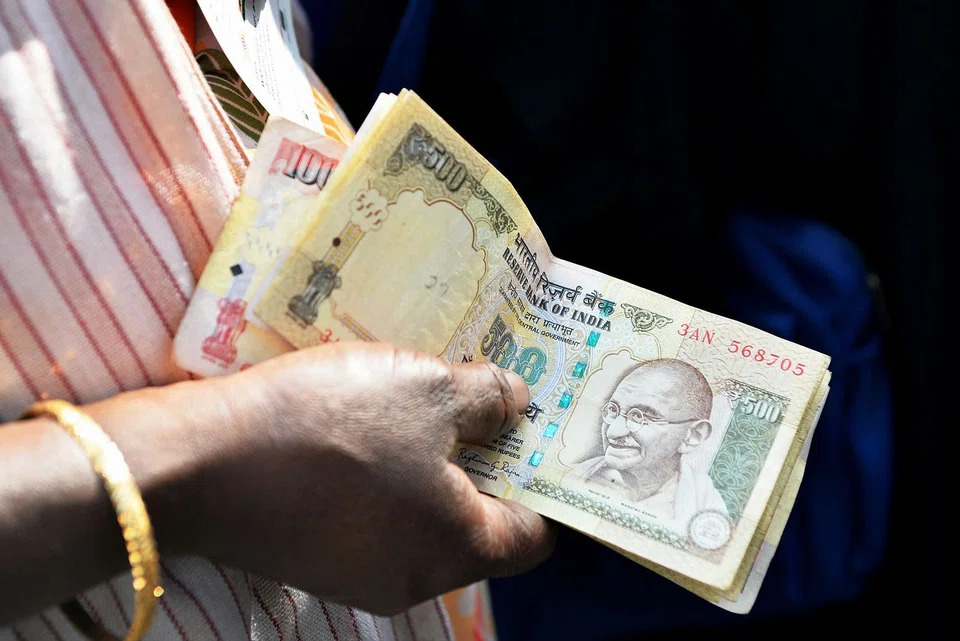
[MUMBAI] India's unprecedented ban on high-denomination currency bills has led to a mismatch in cash supply that has flummoxed some economists and data crunchers.
Indians withdrew about 600 billion rupees (S$12.7 billion) more than the 9.1 trillion rupees of currency in circulation as of Jan 13, according to a report submitted by the Reserve Bank of India to a parliamentary panel on Wednesday. A copy of the document was seen by Bloomberg News.
"This is usually not the case," said Sujan Hajra, chief economist at Anand Rathi Securities Ltd in Mumbai, who was a director at the RBI from 1993-2006. He added that cash with public should be lower than currency in circulation "but then you don't have demonetisation usually."
Clarity will emerge only once the central bank reconciles and publishes final figures, he said.
The RBI's spokeswoman declined to comment. The central bank has refused to share the amount of invalidated bills that have been deposited and said on Jan 5 that it is still counting the notes to eliminate errors.
In a shock move late on Nov 8, Prime Minister Narendra Modi cancelled 15.4 trillion rupees of the 17.7 trillion rupees in circulation and pledged to swap the worthless notes with fresh bills.
Between Nov 9 to Jan 13, 25,197 million bank notes aggregating 6.78 trillion rupees have been put into circulation, taking total currency in circulation to about 9.1 trillion rupees, according to the RBI's document on Wednesday.
As on Jan 13 the public had withdrawn close to 9.7 trillion rupees from bank counters and cash-dispensing machines, the document said.
BLOOMBERG
Share with us your feedback on BT's products and services
TRENDING NOW

Malaysian tycoon Vincent Tan’s sell-downs point to pruning rather than an exit plan

Singapore releases Economic Strategy Review Final Report with more detailed proposals
Ringgit sinks to seven-month low despite record bond inflows as Fed fears dominate

Simba ordered to pay S$700,000 in damages to indoor skydiving operator Altitude Xperience for trespass

