

New blank-cheque companies arm up for Asian unicorn hunt
Many SPACs are holding talks with tech, healthcare, fintech startups in South-east Asia, say bankers, lawyers
 Add BT as a preferred source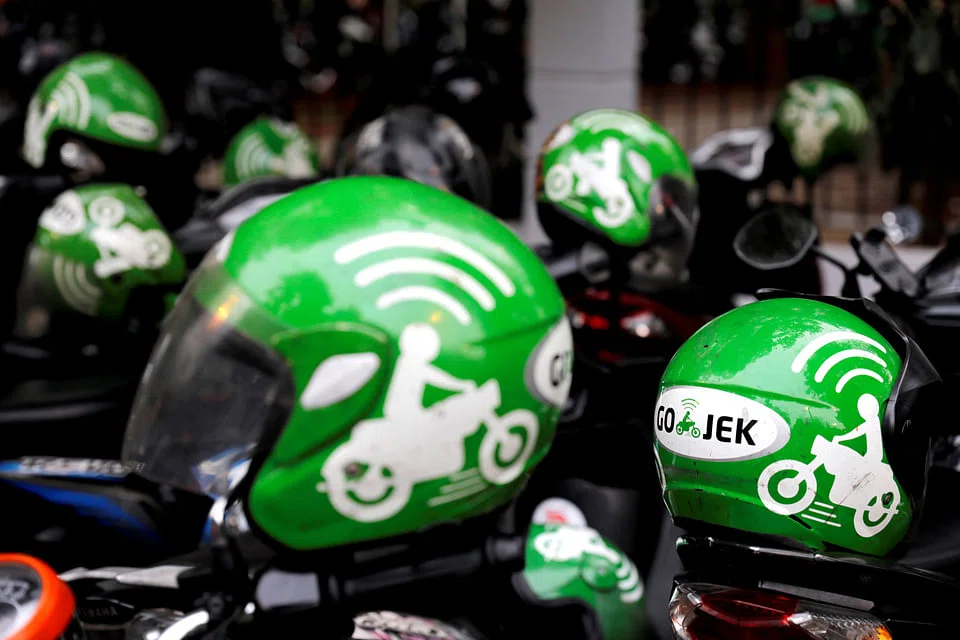
DeeperDive is a beta AI feature. Refer to full articles for the facts.
Singapore/Hong Kong
A NEW fundraising frenzy that swept Wall Street this year looks set to take hold in Asia with more than a dozen special purpose acquisition companies, or SPACs, on the hunt for fast-growing technology firms that are ready to go public.
SPACs are exchange-listed shell companies that raise money through initial public offerings (IPOs) and merge with firms by enticing them with shorter listing timelines. Such structures have raised a record total of more than US$70 billion in the United States this year, making them one of the hottest Wall Street investment trends of 2020.
A large number of IPO-ready tech unicorns in Asia are likely to rev up action, said bankers, lawyers and investors dealing with capital raisings and mergers.
Hong Kong tycoon Richard Li, venture capitalist Peter Thiel, Chinese buyout firm Citic Capital, Singapore-based healthcare entrepreneur David Sin and former hedge fund manager George Raymond Zage are among a growing list of backers of SPACs.
"These days, not a single conversation goes by in Asia when SPACs are not discussed. South-east Asia is a focus market given the number of high-growth tech-enabled companies," said Sarab Bhutani, head of South-east Asia investment banking at Nomura.
Navigate Asia in
a new global order
Get the insights delivered to your inbox.
Many SPACs are holding talks with South-east Asia's tech, healthcare and fintech startups, bankers and lawyers familiar with the matter said.
Ride-hailing and food delivery giants Grab and Gojek and e-commerce firm Bukalapak have all either been approached or are targets for SPACs, they said.
Grab and Gojek declined comment, while Bukalapak did not respond to Reuters' query for comment. Traveloka, which operates South-east Asia's largest online travel app, told Reuters it would go public soon and was evaluating a merger with a SPAC as an option.
SoftBank Group Corp's Vision Fund is also seeking to raise US$525 million through such a structure.
"The IPO market is much bigger in Asia and the pipeline is very strong but we will continue to see SPACs coming out next year," said Alex Ibrahim, head of international capital markets at New York Stock Exchange.
Last month, a SPAC led by Zage raised US$276 million, while Mr Li and Mr Thiel's Bridgetown Holdings raised US$595 million to acquire a target in the technology, financial services or media sectors in South-east Asia, making it the biggest SPAC focused on the region.
"Most growth companies in South-east Asia are aware of the SPAC exit route and are keen to explore merging with a SPAC," said Mr Bhutani.
SPACs are known as "blank-cheque" companies, given their often loose and speculative investment mandates.
Typically, they can acquire entities in as few as four to five months, and have deadlines of up to two years to seek targets, failing which they return all money to the public shareholders.
"Asian targets are mainly in South-east Asia and in the tech sector. South-east Asian companies have less IPO experience and therefore are more open to the SPAC option," said Peter Kuo, CEO of SPAC PTK Acquisition Corp and partner at buyout firm Canyon Bridge.
Mr Kuo said that in his personal capacity, he led PTK's US$115 million listing eyeing the US tech sector, especially electric vehicle makers.
Other Asia-focused SPACs include that of Chinese firm Citic Capital which raised US$240 million, another healthcare SPAC by Mr Sin and a South-east Asia-targeted one backed by investment firm Argyle Street Management.
Bankers in Asia expect a wave of mergers in coming years when the new SPACs merge or acquire their targets, through a process known as "de-SPACing".
"There are 200 unicorns in Asia. De-SPACing is going to start with those high-growth companies," Christopher Laskowski, head of Citi's Hong Kong corporate and investment banking team, said at a Mergermarket webinar this month.
For now, a record number of companies in Asia have seen their valuations double after IPOs this year as retail investors make the most of unprecedented market liquidity. REUTERS
READ MORE:
Decoding Asia newsletter: your guide to navigating Asia in a new global order. Sign up here to get Decoding Asia newsletter. Delivered to your inbox. Free.
Share with us your feedback on BT's products and services
TRENDING NOW
Ministry of Home Affairs Permanent Secretary Pang Kin Keong to retire

Shelving S$5 billion office redevelopment plan proved ‘wise’ as geopolitical risks mount: OCBC chairman

Richard Eu on how core values, customers keep Singapore’s TCM chain Eu Yan Sang relevant

China pips the US if Asean is forced to choose, but analysts warn against reading it like a sports result

