New Zealand central bank raises rates by 25 bps, flags gradual tightening path
New Zealand’s move reflects a broader hawkish shift among major central banks
 Add BT as a preferred source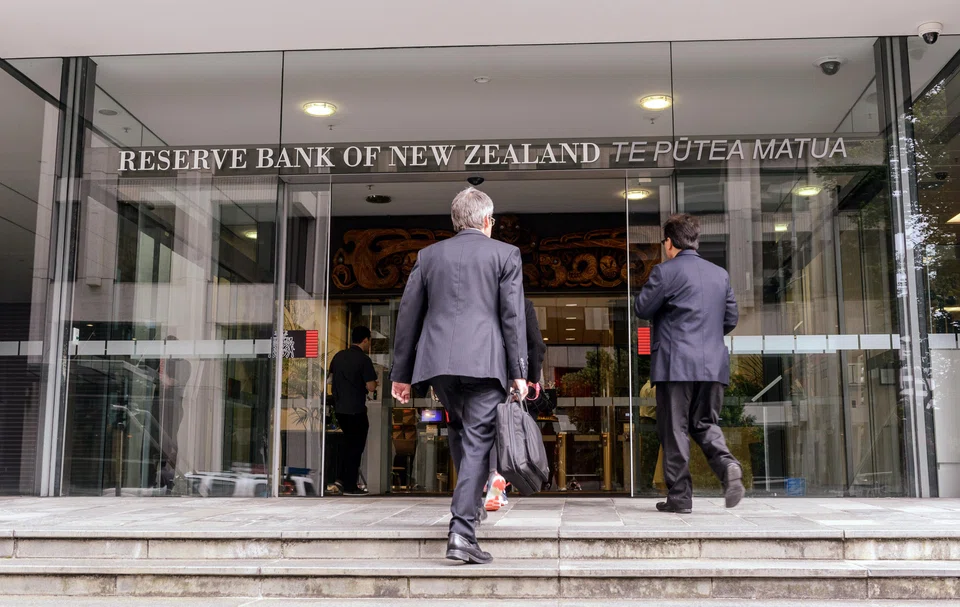
[WELLINGTON] New Zealand’s central bank raised its official cash rate by 25 basis points to 2.75 per cent on Wednesday (Sep 2) and flagged further tightening was likely, but emphasised this would be gradual and saw significant downside risks to the economy.
The move was widely expected, with 27 of 31 economists polled by Reuters forecasting the Reserve Bank of New Zealand (RBNZ) would lift the cash rate by a quarter point.
The RBNZ raised rates for the first time in more than three years in July, after inflation proved sticky and signs emerged that the economy was regaining traction.
Wednesday’s quarter-point increase still leaves the cash rate well below the 5.50 per cent peak reached in August 2024. The central bank cut rates aggressively thereafter as growth faltered and inflation pressures eased.
“The Committee judges that gradually removing monetary stimulus is appropriate to return inflation to the 2 per cent target mid-point while supporting growth and employment,” the RBNZ said in its accompanying statement.
It added the decision reduces the risk that the OCR needs to increase by more later.
The central bank’s cash rate track was little changed with future rates projected to be at 2.81 per cent in December and 3.15 per cent by the end of 2027.
“Future policy decisions will depend on the Committee’s judgement of the balance of risks to medium-term inflation,” the statement noted.
The next decision in October comes less than 10 days before New Zealand’s general election, a contest that remains too close to call. Economists said the RBNZ would be wary of becoming a focal point in the campaign.


The central bank’s latest economic forecasts showed annual inflation peaking at 4.1 per cent in June 2026, compared with 4.3 per cent in the September quarter in its previous projection.
The projections also showed the economy expanding by 0.5 per cent in each of the final two quarters of 2026, compared with a previous forecast of a 0.2 per cent rise in the third quarter and a 0.5 per cent increase in the fourth quarter.
“After lacklustre growth in the June quarter, New Zealand’s economic recovery has most likely resumed but remains uneven,” the statement said.
New Zealand’s recovery gathered momentum in the second half of 2025 but was knocked off course by the Middle East conflict and higher fuel prices in the first half of 2026. More recent high-frequency data, however, suggest activity rebounded in the third quarter.
New Zealand’s move reflects a broader hawkish shift among major central banks. Policymakers from the US Federal Reserve to European Central Bank and Reserve Bank of Australia have adopted firmer rhetoric as higher energy costs threaten to keep inflation elevated.
Markets have correspondingly bet that policymakers may need to keep borrowing costs higher for longer. REUTERS
Decoding Asia newsletter: your guide to navigating Asia in a new global order. Sign up here to get Decoding Asia newsletter. Delivered to your inbox. Free.
Share with us your feedback on BT's products and services