New Zealand central bank says financial system vulnerabilities remain
 Add BT as a preferred source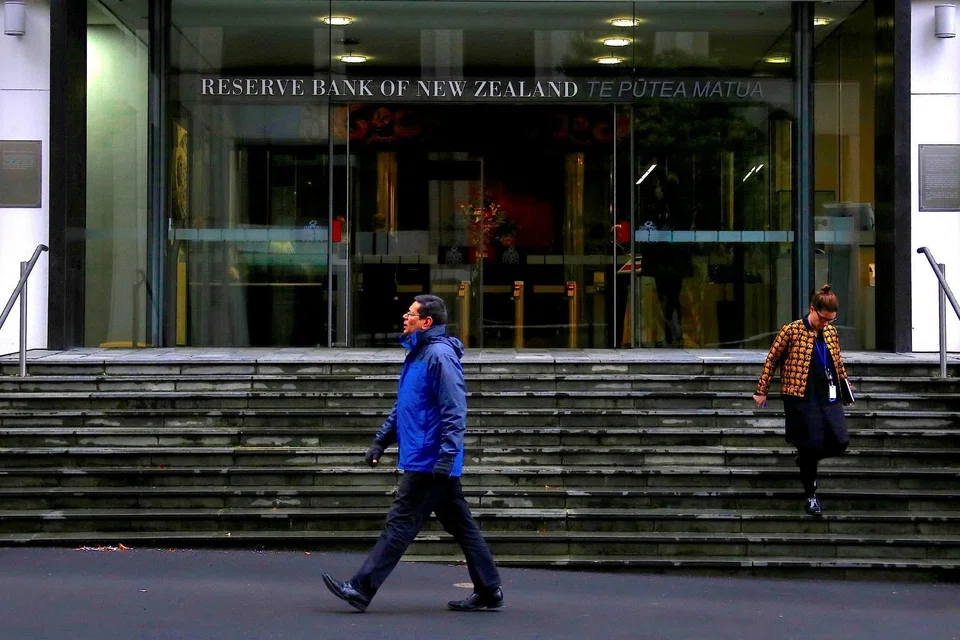
DeeperDive is a beta AI feature. Refer to full articles for the facts.
[WELLINGTON] The Reserve Bank of New Zealand (RBNZ) said the country has come through the Covid-19 pandemic better than initially feared, but financial vulnerabilities remain and that more action may be needed to control an inflated housing market.
"Successful public health measures along with substantial monetary and fiscal policy support, helped to prevent many business failures and a larger rise in unemployment," Governor Adrian Orr said in the bank's Financial Stability Report (FSR).
But border restrictions, supply chain disruptions, and social distancing have reduced activity in affected sectors, and some businesses remain vulnerable, he added.
Mr Orr said low interest rates have resulted in increased risk taking and higher asset prices, with the impact most visible in higher house prices.
The bank tightened mortgage lending to investors earlier this year while the government slapped new taxes on property market investors after a rapid house price acceleration.
RBNZ said a high proportion of new lending has had high debt-to-income and loan-to-value ratios (LVR). This makes recent borrowers more vulnerable to a rise in mortgage rates, and exposes households and the financial system to a decline in house prices.
Navigate Asia in
a new global order
Get the insights delivered to your inbox.
"We will be watching how market conditions respond to the Government's recent policy changes," said Deputy Governor Geoff Bascand.
"If required, we are prepared to further tighten lending conditions for housing using LVR requirements or additional tools that we are assessing," he added.
There were no policy implications or housing market implications from the latest FSR, ASB Bank chief economist Nick Tuffley said in a note.
"We do see the housing market as cooling quickly over the rest of this year, which should limit the need for further near-term macroprudential action," said Mr Tuffley.
RBNZ said new capital rules for banks will start being implemented from Oct 1, with increases in minimum requirements starting in July 2022.
REUTERS
Decoding Asia newsletter: your guide to navigating Asia in a new global order. Sign up here to get Decoding Asia newsletter. Delivered to your inbox. Free.
Share with us your feedback on BT's products and services