

Nordea says it's not axing polluters from ESG investment banking
Helsinki
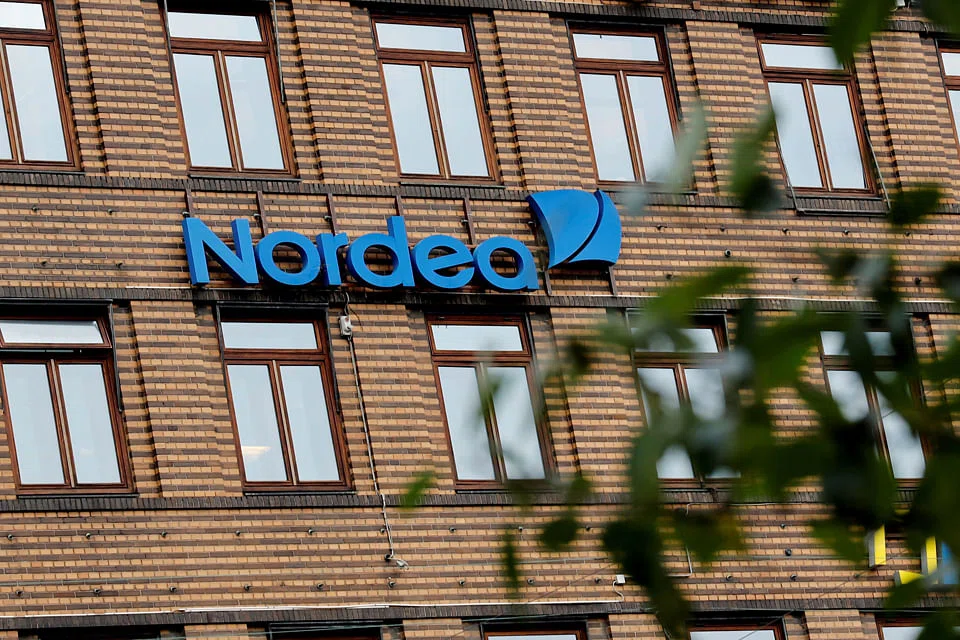
NORDEA Bank says it has no plans to shut polluters out from its sustainable finance services.
"It's just such a new area that we're venturing into that setting very high, strict definitions on the requirements is basically infeasible," Jacob Michaelsen, head of sustainable finance advisory at the investment banking unit of Nordea, said in an interview.
Nordea expects to make the "biggest impact" on the climate not by forcing clients to go from being "a little bit green to being super green", but from "being dirty to being less dirty, and maybe a little bit green", Mr Michaelsen said.
The distinction goes to the heart of a debate on what sustainable finance should be. That's as issuers and investors adapt to Europe's disclo-sure regulation, which is due to take effect on March 10. Meanwhile, a growing number of climate groups say the finance industry isn't doing nearly enough to defend environmental, social and governance issues.
When it comes to financing firms that pollute, but who say they plan to pollute less, there's a growing range of products that investment bankers can offer their clients. So-called sustainability-linked bonds can provide access to ESG investors for companies that aren't clean enough to issue a green bond or who want to raise funds to use across their business rather than to finance a particular green investment.
Sustainability-linked debt, both loans and bonds, really took off in 2019. According to BloombergNEF, sales of various types of sustainable debt rose to a record US$732 billion in 2020, up 29 per cent on the previous year, and are set to climb to US$900 billion this year.
At Nordea, the transaction volume in sustainability-linked loans increased more than threefold to 21.6 billion euros (S$34.6 billion) last year. Green corporate loan volumes were just a 10th of that.
Sustainability-linked deals are usually structured with pricing adjustments that make them more expen-sive for issuers if targets aren't met, but cheaper if borrowers exceed the metrics. Existing guidelines for such loans require targets to be ambitious and meaningful, but those terms can be quite subjective.
The definition of ambitious targets called for by the sustainability-linked loan principles will vary by company, a problem illustrated by looking at emissions among car makers, Mr Michaelsen said.
"What is considered ambitious for BMW probably is not going to be ambitious for Tesla," he said. "But then you can go further into detail and talk about materiality of supply chain. Electric vehicles use cobalt and other minerals that are very hard to mine and need to be transported across the world. When you buy a Tesla in Norway or Denmark, that car - in terms of its body parts - has already been around the world a couple of times."
Mr Michaelsen says there's clearly room to refine the existing ESG definitions. "We need obviously to work with transparency and we need to be sincere," he said. "But we also need to allow some flexibility for the market in the coming months and years." BLOOMBERG
Decoding Asia newsletter: your guide to navigating Asia in a new global order. Sign up here to get Decoding Asia newsletter. Delivered to your inbox. Free.
Share with us your feedback on BT's products and services
TRENDING NOW

Despite the de-dollarisation debate, demand for dollar liquidity in Asia is growing

URA to review guidelines on floor space to give developers more design flexibility: Chee Hong Tat

He built the Vingroup empire. Now South-east Asia’s richest man is handing some key roles to his sons

Can a first-time homebuyer couple earning S$18,000 a month afford a new EC unit?

