

Overseas funds cut China sovereign bonds for record fifth month
 Add BT as a preferred source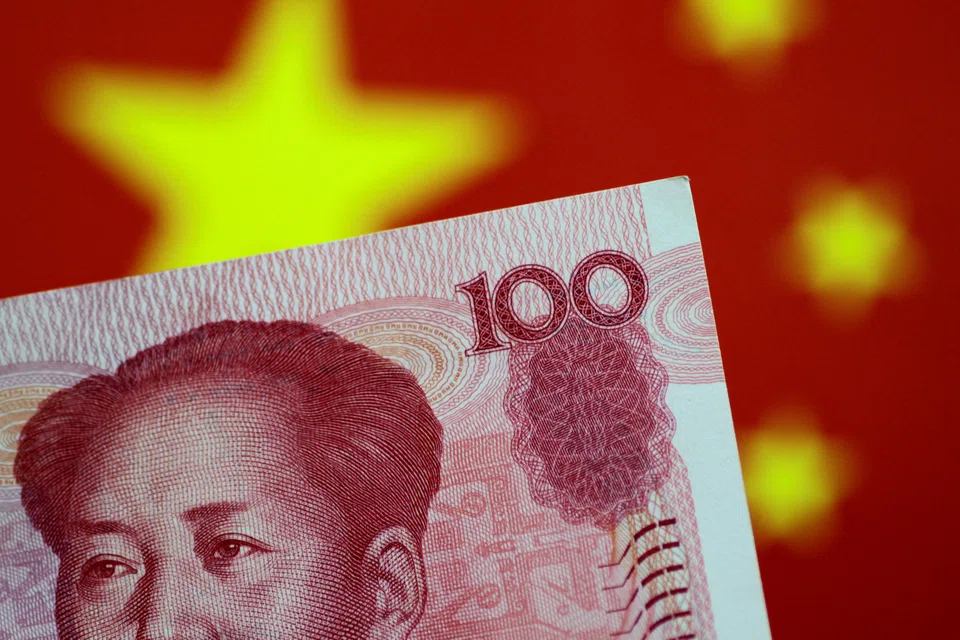
DeeperDive is a beta AI feature. Refer to full articles for the facts.
OVERSEAS investors cut holdings of Chinese sovereign bonds for a fifth month in June, the longest string of outflows on record, as rising US Treasury yields reduce the attractiveness of yuan-denominated debt.
Global funds held about 2.3 trillion yuan (S$470 billion) of Chinese government bonds in June, according to data released by the People's Bank of China. That's less than the 2.38 trillion yuan of the securities they owned in May, according to official China bond data, and marks the longest stretch of monthly outflows since Bloomberg began tracking the data in 2014.
Overseas demand for Chinese government bonds has waned as the yuan weakened and yields dropped relative to those of US Treasuries, which have risen as the Federal Reserve has raised interest rates to combat inflation.
China's benchmark 10-year yield rose 8 basis points in June, its biggest jump since October, on the back of a record supply of government debt and tighter liquidity. Similar-maturity US yields jumped 169 basis points in the same period as the Fed hiked rates by 75 basis points and signalled the possibility of a similar increase for July.
Also weighing on the appeal of Chinese debt is the country's potential plan to boost its fiscal stimulus as it copes with Covid lockdowns and a property slump. That would entail the unprecedented issuance of 1.5 trillion yuan of special bonds for the rest of 2022 and add to existing yuan debt supply.
Chinese bond investors may find some relief, with the central bank committing to keeping liquidity conditions ample amid growth headwinds stemming from the turmoil in the nation's property sector. At the same time, the risk of renewed Covid lockdowns may provide support to sovereign bonds.
Navigate Asia in
a new global order
Get the insights delivered to your inbox.
By the end of June, foreign investors' holdings of Chinese bonds - both government and corporate - shrunk to 3.64 trillion yuan or 2.6 per cent of the total market versus 3.1 per cent in January, according to central bank data.
The outflows come as China's economy grows at its slowest pace since the coronavirus outbreak 2 years ago. Second-quarter growth was 0.4 per cent from a year earlier, below the forecast of 1.2 per cent in a Bloomberg survey, making Beijing's growth target for the year increasingly unattainable. BLOOMBERG
Decoding Asia newsletter: your guide to navigating Asia in a new global order. Sign up here to get Decoding Asia newsletter. Delivered to your inbox. Free.
Share with us your feedback on BT's products and services
TRENDING NOW

Ministry of Home Affairs Permanent Secretary Pang Kin Keong to retire

Shelving S$5 billion office redevelopment plan proved ‘wise’ as geopolitical risks mount: OCBC chairman

Richard Eu on how core values, customers keep Singapore’s TCM chain Eu Yan Sang relevant

China pips the US if Asean is forced to choose, but analysts warn against reading it like a sports result

