

PBOC’s key bank loan rate falls to record low bolstering growth
The new benchmark rate has fallen 10 basis points to 1.4% after the fresh MLF pricing mechanism was introduced
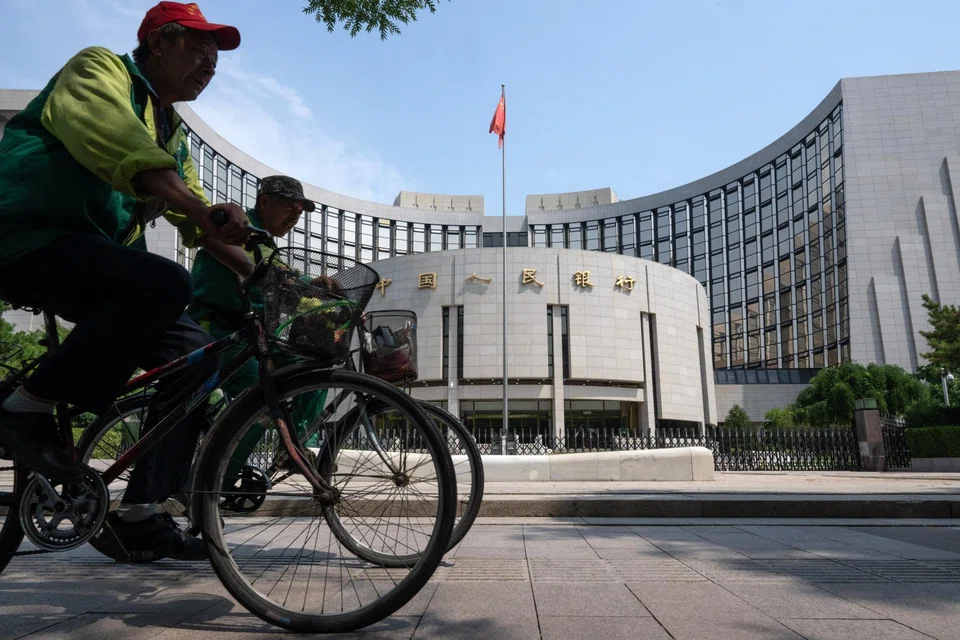
[BEIJING] China has let the interest rate on a one-year policy loan to banks drop to a record low, according to sources familiar with the situation, lowering funding costs so as to revive economic growth.
The People’s Bank of China (PBOC) charged some lenders on its medium-term lending facility, or MLF, at as low as 1.5 per cent in January, down from 1.55 per cent in December, said the sources who requested anonymity discussing private matters.
This compares with its last official rate of 2 per cent a year ago, before the PBOC stopped publishing the figure after unveiling a new method for pricing the loan.
It is not clear how much of the 900 billion yuan (S$165 billion) MLF loans the central bank lent out in January was struck at the lowest rate. The central bank rolled out the liquidity management tool in 2014.
The PBOC did not immediately respond to a faxed request for comment.
The decline in the borrowing cost is another example of the Chinese authorities’ drip-feed, low-key approach to revitalising a fragile economy, after refraining from cutting the policy rate for the last nine months and unleashing any big-bang stimulus.
While the PBOC has expanded its toolkit to downplay the MLF’s role in liquidity management since late 2024, the one-year lending facility remains popular among some banks.
The PBOC adopted a new method for pricing the MLF in March, allowing banks to bid for and pay at different rates on the loans in a fixed amount each month.
Without a single rate, the shift will better meet financial institutions’ diversified needs, the central bank said at that time. It has since stopped releasing any MLF rate.


Since then, the PBOC has moved to prioritise its seven-day reverse repurchase agreements as its primary policy tool for liquidity management. The new benchmark rate has fallen 10 basis points to 1.4 per cent after the fresh MLF pricing mechanism was introduced.
While the cheaper PBOC loans bode well for an economy still mired in deflationary pressures and a prolonged property slump, they would also benefit commercial lenders that have suffered from narrower interest margins in recent years. The margins are showing signs of stabilising, creating space for reducing the policy rate, PBOC’s deputy governor Zou Lan said last month.
The drop in the MLF rate last month also coincided with the PBOC’s injection of a record offering of longer-dated funds into the financial system, including three-month, six-month outright reverse repos and the MLF. BLOOMBERG
Decoding Asia newsletter: your guide to navigating Asia in a new global order. Sign up here to get Decoding Asia newsletter. Delivered to your inbox. Free.
Share with us your feedback on BT's products and services

