Philippine bonds set for deeper losses on aggressive rate hikes
 Add BT as a preferred source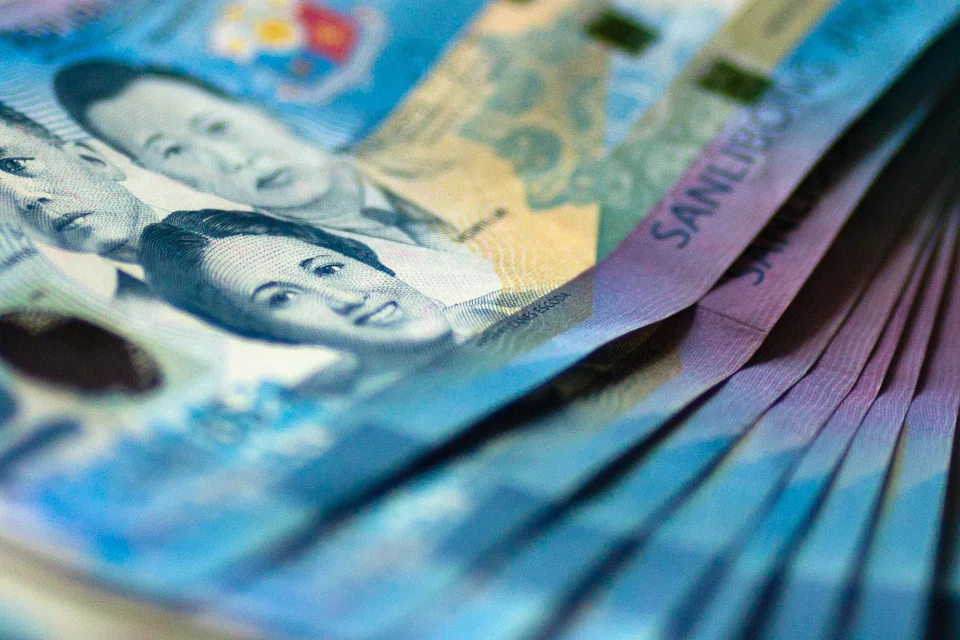
DeeperDive is a beta AI feature. Refer to full articles for the facts.
PHILIPPINE bonds looked poised to tumble further as the central bank ramps up its hawkishness to curb inflation and bolster a weakening currency.
Yields on benchmark 10-year sovereign notes may climb another percentage point by the end of the first quarter, according to Rizal Commercial Banking and financial consultancy firm eManagement for Business and Marketing Services (eMBM). Surging yields have handed dollar-based investors in Philippine government debt a loss of 20 per cent this year, the largest drop in South-east Asia.
“It’s hard to be bullish on Philippine bonds in this environment,” said Michael Ricafort, chief economist at Rizal Commercial in Manila. “We have yet to see the peak in inflation and we expect the central bank to deliver more aggressive rate hikes in the months ahead.”
Higher bond yields raise the cost of funding for the South-east Asian nation’s government, at a time when global recession risks are growing. The situation is being aggravated by factors including sticky US inflation, which will prompt more Federal Reserve rate hikes, Ricafort said.
The Philippine 10-year bond yield climbed as high as 7.56 per cent this week, the most since November 2018. Yields have surged this month amid a global bond selloff and are up from 4.81 per cent at the start of the year.
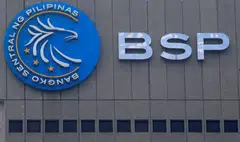
Bangko Sentral ng Pilipinas will refrain from buying government securities in the secondary market to preserve its credibility in targeting inflation, governor Felipe Medalla said on Tuesday (Oct 25). “The idea that the central bank will purchase bonds to prevent market rates from rising, we should say goodbye to that,” Medalla said.
Navigate Asia in
a new global order
Get the insights delivered to your inbox.
Hawkish turn
Investors were already on edge after the governor said earlier this week that authorities may unleash more than 100 basis points of cumulative rate increases in the last two policy meetings of the year. That would bring the total hikes this year to over 3.25 percentage points. The next rate decision is Nov 17.
More tightening is on the cards to shore up a currency that’s plummeted some 13 per cent this year, Medalla said.
The gloomy outlook also extends to Philippine dollar credit, where average corporate and quasi-sovereign bond spreads have widened the most in 16 years so far this month, according to data compiled by Bloomberg.
“Given the risk of inflation, bond investors should stay defensive by investing in shorter tenors and shortening their duration,” said Jonathan Ravelas, managing director at eMBM in Manila, and a former chief strategist at BDO Unibank. “They should be prepared for greater volatility.”
Inflation will probably peak at 8 per cent in December as a weaker peso increases imported prices, particularly the cost of oil, according to eMBM. Consumer-price gains quickened to 6.9 per cent in September, poised to exceed the central bank’s annual target of 2 per cent to 4 per cent. BLOOMBERG
Decoding Asia newsletter: your guide to navigating Asia in a new global order. Sign up here to get Decoding Asia newsletter. Delivered to your inbox. Free.
Share with us your feedback on BT's products and services