

Philippine central bank governor says it is considering off-cycle rate hike
Spiralling fuel costs have raised concerns that pump prices could trigger hikes in other consumer goods
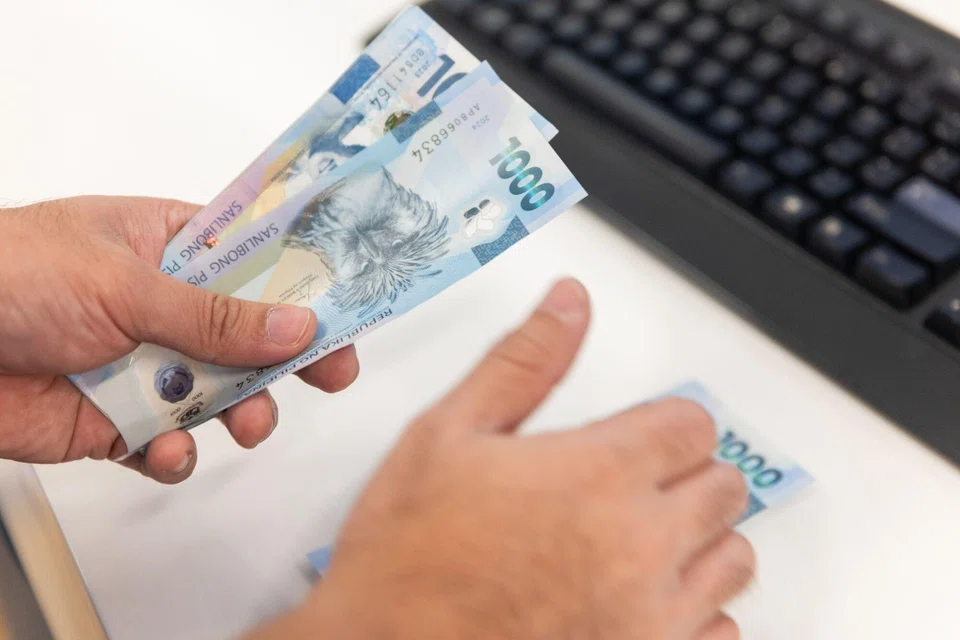
[MANILA] The Philippine central bank could hike interest rates ahead of its scheduled policy meeting on Jun 18, its governor said on Friday (May 22).
Bangko Sentral ng Pilipinas governor Eli Remolona said that the central bank’s interest rate hike in April “did not seem enough”, noting that policymakers face a big and persistent supply shock.
“It’s a toss-up whether we do an off-cycle, or we just wait for the regular meeting,” Remolona said.
The Philippine central bank hiked its key interest rate by 25 basis points to 4.50 per cent in April to keep a lid on inflation. Spiralling fuel costs have raised concerns that pump prices could trigger hikes in other consumer goods.
The central bank also held an off-cycle meeting on Mar 26, becoming the first central bank in Asia to do so, reflecting heightened concerns about the impact of the Middle East conflict on inflation and economic growth.
The peso has lost about 4.6 per cent of its value against the US dollar, breaching the 60-peso level, according to LSEG data.
Indonesia on Wednesday announced a surprise 50-basis-point rate hike to shore up the rupiah, which has been trading at record lows against the US dollar.
The central government also seized control of commodity exports to ensure proceeds remain onshore and are held in the local currency.
India, Indonesia, and the Philippines are particularly vulnerable to the disruptions in the Middle East because they are oil importers that are also being hit by capital outflows as investors take their cash elsewhere.
SEE ALSO


“Whatever we do, we want to convey the message that we are trying to be proactive,” Remolona said. “We are trying to stay ahead of the curve and that we are serious about inflation.” REUTERS
Decoding Asia newsletter: your guide to navigating Asia in a new global order. Sign up here to get Decoding Asia newsletter. Delivered to your inbox. Free.
Share with us your feedback on BT's products and services
TRENDING NOW

Malaysian king buys stake in Singapore-listed mining firm expanding into rare earths

Grab CEO’s wife Chloe Tong on life with Anthony Tan and finding her purpose

Once staunchly pro-China, Malaysian Chinese businesses are now distancing themselves from Beijing
Longer wait times expected as S’pore healthcare institutions report system disruptions

