

Pound plunge extends as UK’s Kwarteng signals more tax cut
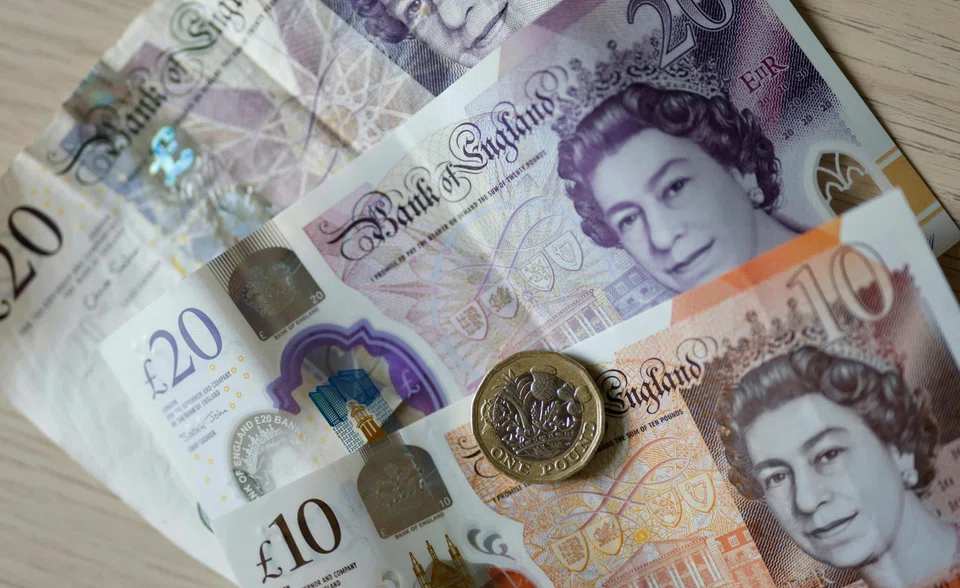
KWASI KWARTENG vowed to press on with more tax cuts, even as financial markets deliver a damning verdict on the new Chancellor of the Exchequer’s fiscal policies.
The sell-off that followed the release on Friday (Sep 23) of the government’s “Growth Plan” - a budget in all but name and the biggest tax giveaway in half a century - showed few signs of abating as markets entered a new week, heaping pressure on Prime Minister Liz Truss’s days-old administration.
When currency trading restarted in Asia on Monday, the beleaguered pound dropped to a fresh 37-year low against the dollar. If the rout continues this week, it risks moving beyond a short-term embarrassment for the government into a more profound crisis that could force a rapid policy response.
Kwarteng scrapped the top level of income tax and cut the basic rate by a percentage point, while also reversing a rise in the National Insurance payroll tax brought in earlier this year. On Sunday, he appeared unperturbed by the ferocious response that sent UK assets tumbling, telling BBC television that he wouldn’t comment on market movements, but when it comes to tax cuts, “there’s more to come”.
“We’ve only been here 19 days,” the chancellor said. “I want to see, over the next year, people retain more of their income because I believe that it’s the British people that are going to drive this economy.”
With the pound sliding as much as 0.9 per cent to below US$1.08 on Sunday night, the opening of the gilt market at 8.00 am on Monday will also be one to watch. On Friday, yields on the government bond soared, by a record amount on some maturities, as investors punished the Chancellor for his unapologetic dash for growth.
If maintained, the move in yields will dramatically inflate the cost of the extra £400 billion (S$618 billion) of borrowing the Resolution Foundation estimate is needed over the next 5 years to fund the plan, adding to an interest bill already bulging thanks to sky-high inflation and Bank of England (BOE) rate increases.
In a sign of the historic severity of Friday’s sell-off, the pound at one stage was set for its worse day against the dollar since the record crash that followed the Brexit vote in 2016. In the end, Friday’s 3.6 per cent slump was the seventh-worst in the past 50 years.
“With broad unfunded spending on the fiscal side unmatched by monetary policy to offset the inflationary impulse, the currency is likely to weaken further,” Goldman Sachs analysts including Kamakshya Trivedi wrote in a note to clients on Friday.
The market moves this week could have huge implications. The opposition Labour Party - already enjoying a comfortable lead in the polls - is seeking to capitalise on the policy gulf that’s opened up with the Tories at its annual conference, which began in Liverpool on Sunday. Leader Keir Starmer on Sunday told the BBC he’d reverse Kwarteng’s most eye-catching measure - the scrapping of the top 45 per cent rate of income tax levied on earnings over £150,000.
The Telegraph reported Saturday that Truss will face a rebellion from Tory backbenchers against her tax cuts if the pound falls to parity with the dollar. Meanwhile, some in the markets are already calling for emergency BOE action to stem the tide, an unprecedented action in modern times that would risk adding to the sense of panic.
Former BOE official Adam Posen said on Twitter that he expects BOE Governor Andrew Bailey to “say publicly by mid-week that if GBP down, rates up”.
After Kwarteng’s speech on Friday, traders fully priced 120 basis points of additional rate hikes from the BOE by its Nov 3 meeting - more than double the size of the move announced on Thursday that took rates to 2.25 per cent. Traders are also now pricing in the possibility of an intra-meeting hike in the swaps market, according to Trevor Pugh, head of gilt inter-dealer broker and agency desks at Tradition.
If the weekend break has brought some calm, and moves start to retrace on Monday, that will buy Truss and Kwarteng time to try to seize back the agenda. That would increase the importance of the Tory Party Conference next week, which now risks turning from a coronation of the new government into a chance to restore already-battered credibility.
But the outlook from many in the market is far from rosy. Last week’s turmoil led to more predictions, including from former US Treasury Secretary Lawrence Summers, that the pound will decline below parity with the dollar. Bloomberg’s options pricing model now shows a 1-in-4 chance the pound will reach US$1 in the next 6 months, up from 14 per cent on Thursday.
Others are expressing concerns over the future of UK debt.
“The gilt market is adjusting to a seismic shift in the fiscal landscape and a mammoth supply-demand outlook,” HSBC analysts wrote in a note. “The return of such large-scale borrowing of this nature comes at the same time as the BOE is also turning from a buyer to a seller of bonds, and - more importantly - other investors are increasingly concerned about the UK’s fiscal credibility.” BLOOMBERG
Decoding Asia newsletter: your guide to navigating Asia in a new global order. Sign up here to get Decoding Asia newsletter. Delivered to your inbox. Free.
Share with us your feedback on BT's products and services
TRENDING NOW
One-third of Singapore-listed firms at risk in severe AI downturn: MAS

‘Not done’: Keppel CEO Loh Chin Hua transformed the group, but says there’s ‘still a lot to do’

He built the Vingroup empire. Now South-east Asia’s richest man is handing some key roles to his sons

‘We don’t want to stay as we are’: CEO Patrick Ng builds a more resilient Huationg

