

RBA holds steady as Lowe bows out; markets bet tightening cycle over
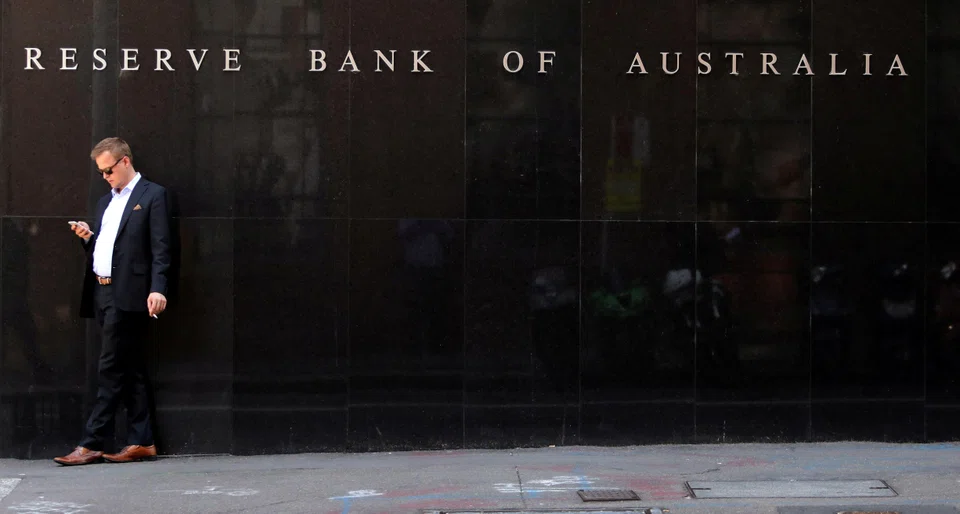
AUSTRALIA’S central bank on Tuesday (Sep 5) kept interest rates steady for a third month at the last meeting chaired by Governor Philip Lowe, encouraging speculation the tightening cycle was over as policymakers indicated they have a firmer grip on prices.
Wrapping up its September policy meeting, the Reserve Bank of Australia (RBA) held rates at 4.10 per cent, and said recent data was consistent with inflation returning to the 2 per cent to 3 per cent target range in late 2025. It reiterated that further tightening may still be required to bring inflation to heel.
Markets and economists had wagered on a steady outcome after a batch of economic data – including inflation, wages and jobs – came in below expectations and offered no compelling reason to restart the tightening cycle.
Markets moved to trim bets of one last hike before the year-end to just 30 per cent from around 36 per cent early in the session.
A majority of economists polled by Reuters still expect one more hike by the end of the year after the third-quarter inflation report, which is likely to point to lingering price pressures.
“Inflation is coming down, the labour market remains strong and the economy is operating at a high level of capacity utilisation, although growth has slowed,” said Lowe, who will be handing over the reins to his deputy Michele Bullock on Sep18.
Lowe said the board will continue to monitor the global economy – noting uncertainty with the Chinese economy, household spending, and the outlook for inflation and the labour market to see if further tightening would be needed.
He warned that prices of many services are rising briskly and rent inflation was also elevated.
Minutes of the August meeting showed the central bank now sees a credible path where inflation would return to the target band in 2025, with interest rates at their current level, implying the hurdle to another hike is high.
SEE ALSO




The incoming governor Bullock last month struck a similar tone to Lowe, saying rates may need to rise again and policymakers would be watching data and decide on rates on a monthly basis until at least the end of this year.
“Recent data has fallen the way the RBA would have hoped,” said Tony Sycamore, market analyst at IG.
“While RBA Governor Lowe may have been slow to start hiking rates, he departs with his head held high, knowing that much of the heavy lifting required to bring inflation under control is in place ahead of Michele Bullock’s tenure.”
Consumer inflation eased by more than expected to 4.9 per cent in July, while soft wages data suggest the chance of a much feared price-wage spiral is low and the red-hot labour market might be at a turning point.
The RBA has jacked up interest rates by a whopping 400 basis points (bps) since May last year, with the cash rate sitting at 11-year highs, but the full impact of the tightening is only being felt now as inflation eases and economic growth slows.
Data on Tuesday showed the Australian economy got a boost from net exports and government spending in Q2, greatly lessening the risk of a contraction in gross domestic product (GDP). The Q2 GDP data is due on Wednesday.
However, growth is set to stay subdued, with analysts expecting GDP to have expanded by a meagre 0.3 per cent in the quarter as consumers tightened their belt in the face of high cost of living and rising mortgage repayments.
“Overall, we see nothing in today’s decision or statement to push us off our view that the RBA is on an extended pause as it examines how the 400 bps of monetary tightening to date washes through the economy,” ANZ economists said in a note. REUTERS
Decoding Asia newsletter: your guide to navigating Asia in a new global order. Sign up here to get Decoding Asia newsletter. Delivered to your inbox. Free.
Share with us your feedback on BT's products and services
TRENDING NOW

OCBC mobile, online banking services restored after Friday afternoon disruption

SGX CEO Loh Boon Chye to step down; succession planning under way

Waymo founder predicts ‘landslide’ robotaxi adoption in Singapore, driven by high car costs

Vietnam’s northern provinces, not Hanoi or Ho Chi Minh City, are powering near 10% GDP growth

