

RBA signals further rate hikes, reiterates not on pre-set path
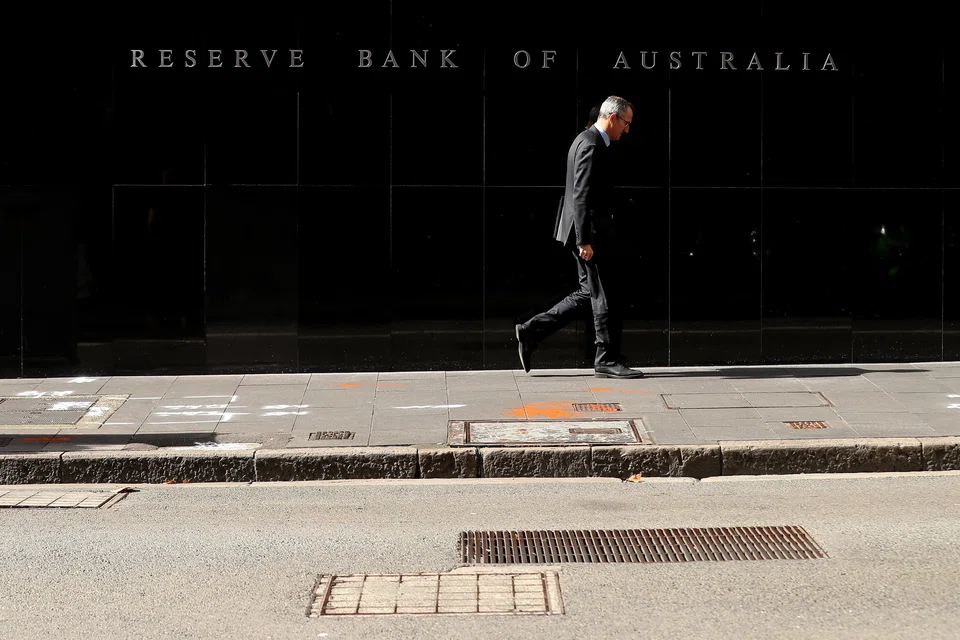
AUSTRALIA’S central bank signalled further interest-rate increases would come in the period ahead while restating it will be guided by incoming economic data and the inflation outlook.
“The board expects to take further steps in the process of normalising monetary conditions over the months ahead, but it is not on a pre-set path,” minutes of the Reserve Bank’s (RBA) Aug 2 policy meeting released on Tuesday (Aug 16) showed.
“It is seeking to do this in a way that keeps the economy on an even keel. The path to achieve this balance is a narrow one and subject to considerable uncertainty,” the bank said.
The RBA has given itself some wriggle room to adjust the pace of tightening after 3 consecutive 50 basis-point hikes took the cash rate to 1.85 per cent. Even so, most economists still expect the bank will raise interest rates by another half-percentage point next month before easing back to more traditional quarter-point moves.
The RBA has joined global counterparts from Washington to Wellington in rapidly tightening policy to try to prevent consumer prices from spiralling out of control. Headline inflation in Australia is running at more than twice the top end of the central bank’s 2-3 per cent target.
Consumer confidence has weakened as households grapple with higher mortgage repayments and the rising cost of living pressures. The RBA has signalled it’s trying to get the cash rate up to around 2.5 per cent, or a neutral level, while money markets are pricing in 3.25 per cent by the end of the year.
“The behaviour of household spending continued to present a key source of uncertainty for the outlook,” the RBA said. “Higher inflation and higher interest rates were putting pressure on household budgets.”
There are early signs of easing retail demand as house prices decline, with internal data from major banks pointing to a cooling in spending trends.
The RBA nonetheless expects domestic demand to hold up in the period ahead, underpinned by very low unemployment and savings built up during the pandemic.


“The effect of high inflation on wage- and price-setting behaviour presented a material risk to the inflation outlook,” the RBA said.
“If inflation expectations and the general inflation psychology shifted, higher inflation would be more persistent.” BLOOMBERG
Decoding Asia newsletter: your guide to navigating Asia in a new global order. Sign up here to get Decoding Asia newsletter. Delivered to your inbox. Free.
Share with us your feedback on BT's products and services
TRENDING NOW

32 companies, 6 individuals bag accolades at Singapore Corporate Awards 2026

He built the Vingroup empire. Now South-east Asia’s richest man is handing some key roles to his sons
URA to review guidelines on floor space to give developers more design flexibility: Chee Hong Tat

Chagee, Mixue and Luckin won the market. Sustaining their edge is the harder part

