Ringgit drops most in Asia as oil declines after three-day gain
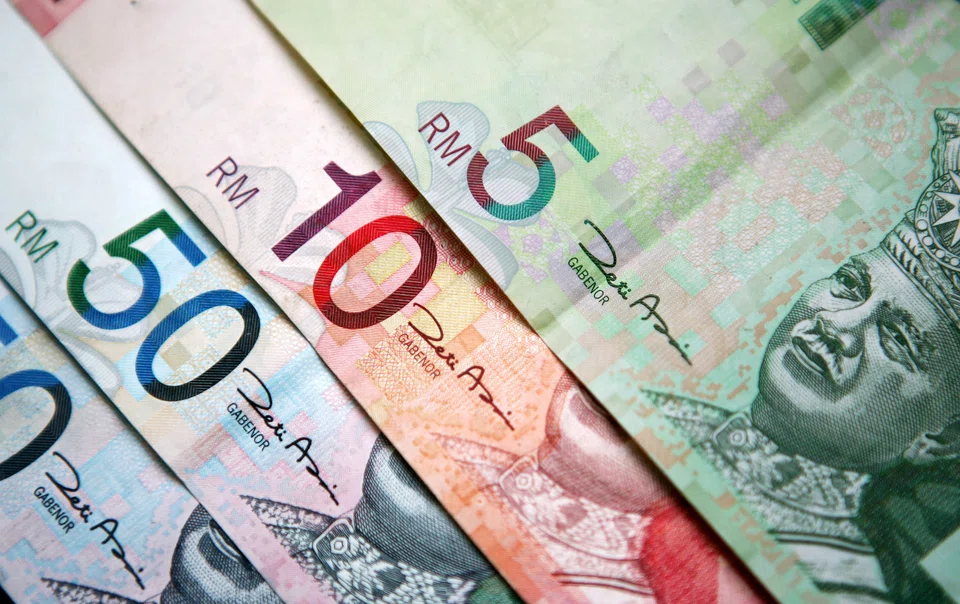
[KUALA LUMPUR] Malaysia's ringgit fell the most among Asian currencies as oil resumed a decline following a three-day gain.
The ringgit is Southeast Asia's worst-performing currency in the past six months as the drop in Brent crude cuts earnings for the region's only major oil exporter. The currency briefly trimmed losses after a report showed Malaysia's factory output beat economists' estimates in December. The nation's Federal Court is due to announce sentencing Tuesday in the case of opposition leader Anwar Ibrahim's appeal against a sodomy conviction, after it upheld a guilty verdict.
"Better-than-expected industrial production data staunched the bleeding in the ringgit," said Vishnu Varathan, a Singapore-based economist at Mizuho Bank Ltd. "Oil prices are not holding up anymore." The ringgit weakened 0.6 per cent, the biggest decline since Jan 20, to 3.5820 a dollar as of 12.21 pm in Kuala Lumpur, according to data compiled by Bloomberg. The currency has lost 10 per cent in six months and reached 3.6375 on Jan 29, the lowest level since 2009.
Brent has fallen 48 per cent since the end of June, prompting the government to revise to 2015 fiscal deficit target to 3.2 per cent of gross domestic product from 3 per cent.
Factory output rose 7.4 per cent in December from a year earlier, the government reported Tuesday. That was the most since July 2013 and more than the median estimate of economists in a Bloomberg survey for a 4.1 per cent advance. The central bank will release data on foreign-exchange reserves for the fortnight ended Jan 30 later in the day.
Government bonds declined. The yield on the 4.181 per cent sovereign notes due 2024 climbed one basis point, or 0.01 percentage point, to 3.82 per cent, data compiled by Bloomberg show.
BLOOMBERG
Share with us your feedback on BT's products and services