

Ringgit falls as China slowdown spurs risk-off across markets
 Add BT as a preferred source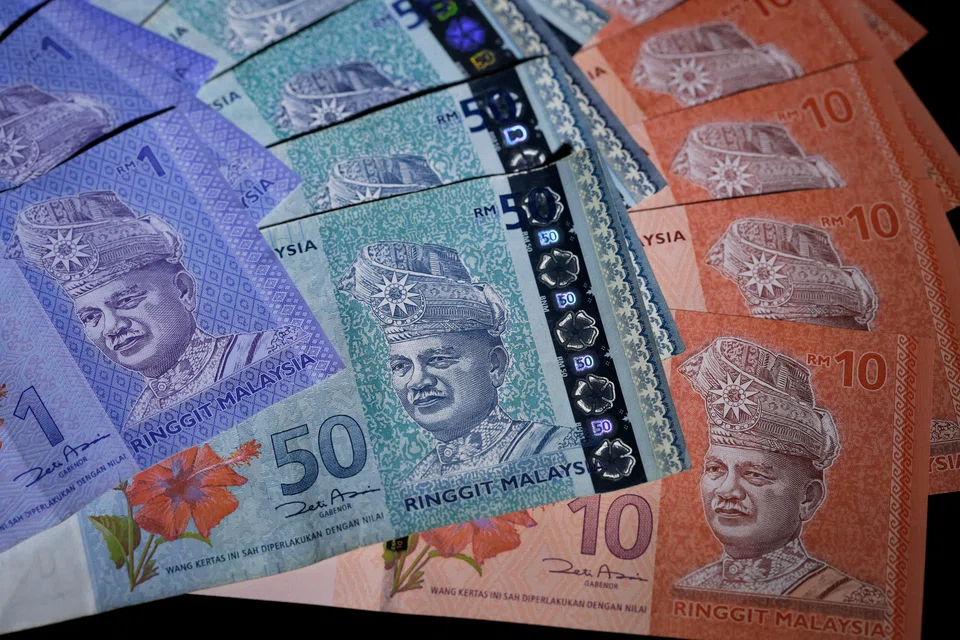
DeeperDive is a beta AI feature. Refer to full articles for the facts.
[KUALA LUMPUR] Malaysia's ringgit fell to a three-month low as concern about the extent of China's slowdown triggered a selloff in emerging-market assets.
The biggest slump in Brent crude since September to the lowest level in more than 11 years didn't help the ringgit either as it damps the outlook for Asia's only major net oil exporter. The offshore yuan dropped to a five-year low in Hong Kong, fueling speculation the central bank will favor depreciation to revive its economy. That drove a measure of developing-nation currencies to the weakest since 1993 and sent global stocks down.
"The unstable China economy and markets are the main drivers for risk-off," said Masashi Murata, vice president at Brown Brothers Harriman & Co. in Tokyo. "Lower oil prices lead to a weak ringgit too."
The ringgit declined 0.8 per cent to 4.4270 a dollar as of 9:26 a.m. in Kuala Lumpur and earlier fell to 4.4285, the lowest since Oct. 2, according to prices from local banks compiled by Bloomberg. The currency has weakened 2.8 per cent this year, after rounding off its worst annual loss since 1997.
Malaysia reports November export data on Thursday and shipments likely rose 12 per cent from a year earlier, according to the median estimate in a Bloomberg survey. That follows a 16.7 per cent advance in October. The trade surplus is forecast to narrow to 12 billion ringgit (S$3.9 billion) from 12.16 billion ringgit. Foreign-exchange reserve figures also come out later Thursday.
BLOOMBERG
Share with us your feedback on BT's products and services
TRENDING NOW

Japan stocks look set for new highs in 2025 on earnings, reform

Beijing’s calculated silence on the Iran war

China pips the US if Asean is forced to choose, but analysts warn against reading it like a sports result

Richard Eu on how core values, customers keep Singapore’s TCM chain Eu Yan Sang relevant

