Russia keeps rates at 19-year high as war stokes inflation surge
 Add BT as a preferred source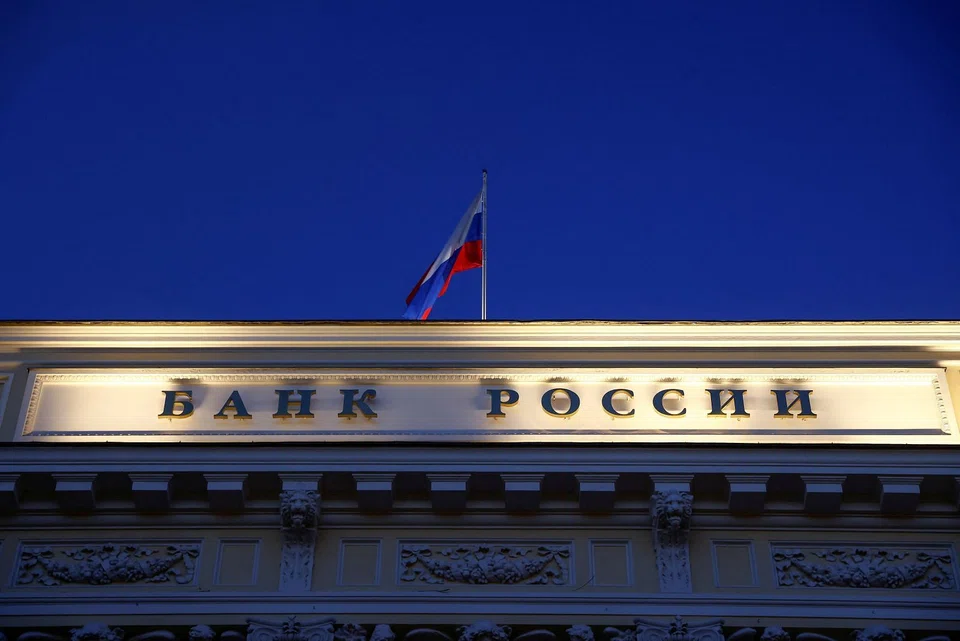
DeeperDive is a beta AI feature. Refer to full articles for the facts.
[MOSCOW] Russia's central bank left interest rates at the highest in almost two decades following an emergency hike, a sign it won't rush to dismantle economic defences in the face of unprecedented sanctions over the invasion of Ukraine.
The decision on Friday leaves the benchmark at 20 per cent, in line with the forecasts of the majority of economists in a Bloomberg survey.
The war and its fallout have inflicted a domestic toll that's already comparable to the worst downturns of President Vladimir Putin's more than two decades in power. Capital controls, a shuttered stock market and the seizing up of trade are meanwhile taking the spotlight off rates as the go-to tool for restoring calm in Russia.
But with inflation near levels unseen since the government's debt default in 1998, policy makers need to keep borrowing costs elevated to maintain the confidence of depositors and avoid a run on the banks.
Hours before the central bank's first regular review of rates since the invasion of Ukraine, Putin proposed a third term for Nabiullina, a veteran of multiple crises who's been in the job since 2013. But her policies, focused on inflation targeting and amassing foreign reserves, have fallen short in the face of sanctions that jolted the economy and the ruble, leading to the seizure of as much as two-thirds of the central bank's US$643 billion holdings. The Bank of Russia has responded by restricting foreign-exchange transactions and more than doubling its key rate.
While the measures have stabilised markets and lured cash back into the banking system, they threaten further hardship for an economy already upended by food shortages and the exodus of foreign companies. Putin said this week that the nation survived "the economic blitzkrieg" but warned of rising joblessness and faster inflation to come.
Navigate Asia in
a new global order
Get the insights delivered to your inbox.
The Bank of Russia has yet to revise its forecasts for inflation and the economy after the invasion, but annual price growth reached an estimated 12.54 per cent as of March 11, from just above 9 per cent at end-February. Some economists expect it could soar to 20 per cent in a matter of weeks. BLOOMBERG
Decoding Asia newsletter: your guide to navigating Asia in a new global order. Sign up here to get Decoding Asia newsletter. Delivered to your inbox. Free.
Copyright SPH Media. All rights reserved.