Russia unexpectedly slashes rates as focus shifts to economy
 Add BT as a preferred source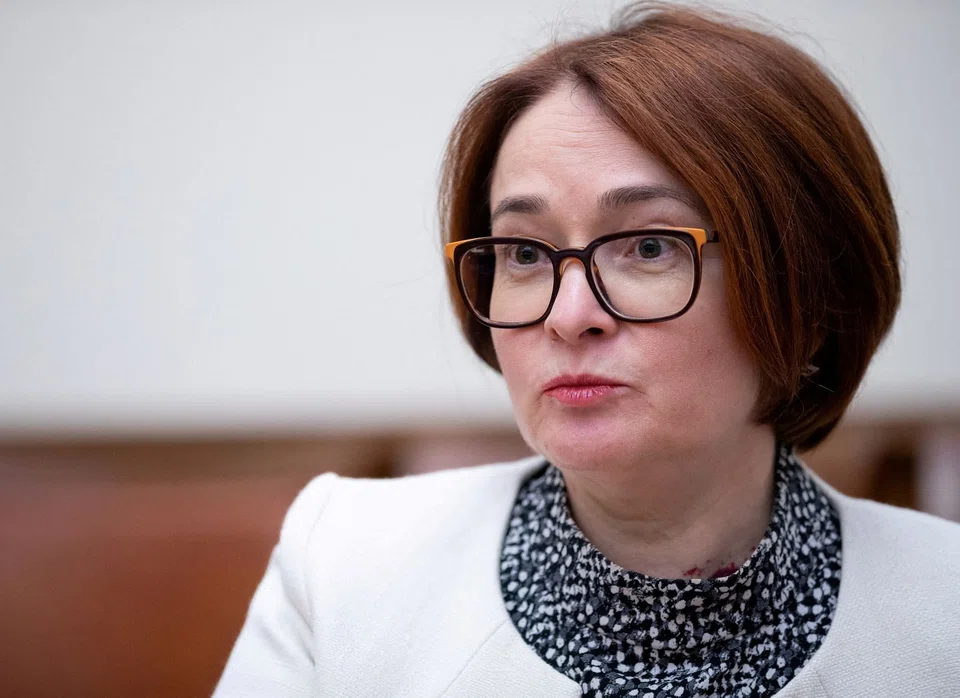
DeeperDive is a beta AI feature. Refer to full articles for the facts.
[MOSCOW] Russia's central bank unexpectedly cut its key interest rate the most in nearly two decades, offering relief to the recession-bound economy in a sign of confidence it can start to reverse some of the steep monetary tightening delivered after the invasion of Ukraine.
The central bank lowered the rate to 17 per cent from 20 per cent on Friday and said further cuts could be made at upcoming meetings if conditions permit.
"External conditions remain difficult and curtail Russia's economic activity," the central bank said in a statement. "Risks to financial stability remain," it added, noting that price increases are no longer accelerating as fast as they had in the weeks immediately following the invasion.
Sweeping international sanctions have put the world's biggest energy exporter on track for a deep, two-year recession while pushing the Russian government to the edge of default. But continuing inflows of energy revenues and tough capital controls - including a ban on foreigners selling Russian assets as well as mandated hard currency sales by exporters - have helped the rouble regain ground.
"The rouble is very strong," said Natalia Orlova, economist at Alfa-Bank. "This reduces the horizon of inflation risks."
Russia's currency barely budged after the rate cut, trading 0.2 per cent weaker at 75.92 against the dollar as of 12.40 pm in Moscow.
Navigate Asia in
a new global order
Get the insights delivered to your inbox.
Central bank Governor Elvira Nabiullina acted three weeks before a scheduled rate meeting, as pressure builds against Russia in response to reports that the country's forces committed apparent war crimes in Ukraine. On Friday, Japan announced it will ban imports of Russian coal, a day after a similar decision by the European Union.
The Group of Seven leaders issued a statement saying that the countries will ban new investment into Russia's energy sector and expand trade restrictions, including phasing out and banning coal imports. But the Bank of Russia's emergency rate hike in February and restrictions on foreign-exchange transactions were sufficient to lower risks for the financial system, according to Sova Capital economist Artem Zaigrin. It's now having to react quickly to an unfolding crisis, he said.
"Thanks to these actions, the central bank was able to stop the outflow of funds from the banking system and restore the attractiveness of deposits," he said. "At the moment, the growing level of uncertainty in the economy and the sharp decline in demand have become prevalent." BLOOMBERG
Decoding Asia newsletter: your guide to navigating Asia in a new global order. Sign up here to get Decoding Asia newsletter. Delivered to your inbox. Free.
Copyright SPH Media. All rights reserved.