

Russian central bank downplays role of US dollar, euro at home and globally
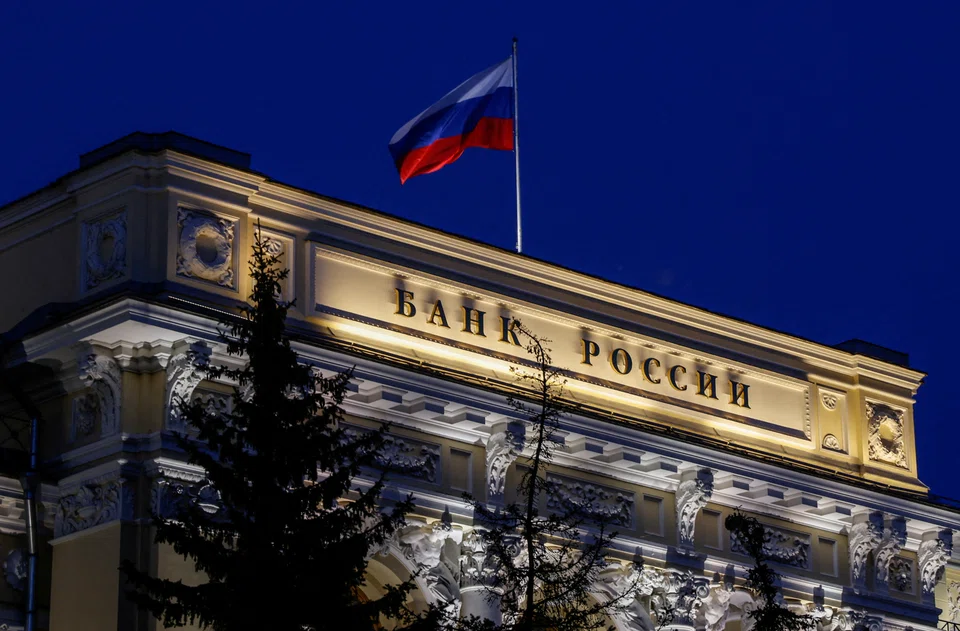
THE role of the US dollar and the euro as global currencies is set to decline as central banks rethink their strategies after the West froze Russian reserves, Russia’s central bank said on Tuesday (May 31), suggesting it could consider imposing negative rates for US dollar and euro deposits. Unprecedented Western sanctions have frozen around half of Russia’s gold and forex reserves that stood near US$640 billion before Moscow started what it calls a “special military operation” in Ukraine on Feb 24. The Bank of Russia said this precedent along with discussions about a possible seizure of the frozen part of reserves will prompt other central banks, primarily in Asia and the Middle East, to rethink strategies for their savings. “One could expect an increase in demand for gold and a decline in the US dollar’s and the euro’s role as reserve assets,” the Russian central bank said in a report on financial stability. As of late 2021, the Russian central bank held US$131.5 billion of its reserves in gold, while the rest of the reserves that stood at US$612.9 billion back then was held in foreign currency assets. As of May 20, Russia’s reserves slipped to US$583.4 billion. The central bank said that the share of foreign currency in obligations that Russian banks had has declined recently as clients stepped up withdrawal of funds from their forex accounts, while the share of banks’ FX assets has increased. “One of the results of the imposed sanctions restrictions for the foreign exchange market was the tendency to increase the use of currencies alternative to the US dollar and the euro,” the central bank said, referring to the Chinese yuan in particular. To speed up the decline in foreign currencies’ share in the Russian banking sector, Russia could consider imposing negative interest rates on banks’ deposits in US dollar and euros, the central bank said. In late 2021, the share of foreign currency in household assets, including stocks and deposits, has been relatively steady at 22 per cent, and the central bank said it had no plans to lower it. The central bank also said in the report that Russian private investors have become the main steering power on the stock market amid restrictions for non-residents to trade on Russian markets. REUTERS
Decoding Asia newsletter: your guide to navigating Asia in a new global order. Sign up here to get Decoding Asia newsletter. Delivered to your inbox. Free.
Share with us your feedback on BT's products and services
TRENDING NOW

Two Singapore-listed palm oil firms named in Greenpeace report on Indonesian plantation fires

Singapore Airlines flight returns to San Francisco after ‘unruly’ passenger incident

Singapore looking into which companies responsible for haze-causing fires: PM Wong

Deluge IPO 3.86 times subscribed ahead of SGX debut

