SBF's digibank bid raises impartiality question; SMEs hope for more financing help
Published Mon, Jan 6, 2020 · 09:50 PM

    Singapore

    THE Singapore Business Federation (SBF) announced over the weekend that it will be making the leap into digital banking - an unusually bold move for a chamber known for its conservative approach to championing the interests of the business community.

    In response to the news of the SBF taking a minority stake in a consortium that is eyeing a digital full-bank licence, small and medium-sized enterprises (SMEs) say that they welcome more options as securing financing is indeed a problem for them.


    However, some are asking whether a chamber that is supposed to be non-partisan should be taking sides in the digibank race.

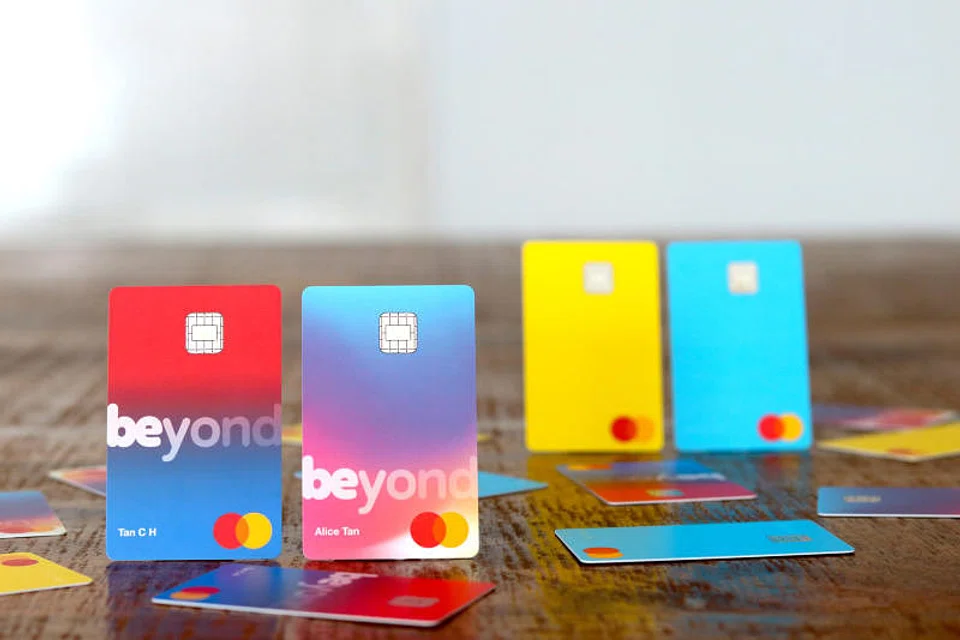
    Beyond, the name of the consortium of which the SBF is a member, is led by Ron Sim's V3 Group and stored-card operator EZ-Link; the other members are property group Far East Organization, Temasek-owned Heliconia Capital and insurer MSIG Singapore.

    Julia Bensily, director of Prime Structures Engineering, told The Business Times that to SMEs, the SBF is supposed to be impartial.

    "I'm not sure if, in the future, we need to be some 'gold member' (of SBF) to gain access to financing, or whether financing will be based on our exposure to SBF," she said.

    That being said, she added that if the SBF's consortium does end up helping SMEs like Prime with their financing needs, it would be "great".

    Jamie Lim, chief executive of furniture retailer Scanteak Singapore, noted that the consortiums of aspiring digibank players have so far not offered many details on how they can be of help to SMEs.

    She also raised concerns about the SBF's role as a neutral party, given the profit-generating element to this venture by the federation.

    "The SBF is taking a stake through which it can benefit businesses, but also itself... I'm keeping an open mind to see how it turns out, but I am not sure how SBF will not take sides if they are pitted against other members (in the digibank race)," she said.

    All Singapore-registered companies with paid-up capital or authorised share capital of S$0.5 million and above have to be members of the SBF, to which they pay annual fees. The federation now represents about 27,000 companies, as well as key local and foreign business chambers.

    SBF chief executive Ho Meng Kit said that the chamber joined the digital banking consortium as it wanted a "seat at the table", and to be able to influence the provision of financing solutions for its members.

    He acknowledged, however, that some SBF members are also providing financial services and products to SMEs, which could result in a conflict of interest. "We want to continue to work with all financial institutions, both incumbents as well as new digital banks," he said.

    If requested by such players, the SBF would be happy to share its insights and research, or to work with them to reach out to SMEs.

    "Because they are members, they are entitled to those views - so we are not depriving them or anything; we will treat them fairly as members."

    This is not the SBF's first business venture. It previously set up a joint venture with PICO Art International to organise events, conferences and forums.

    Benjamin Gaw, director of Corporate and Mergers & Acquisitions at Drew & Napier, pointed out that registered societies such as the SBF typically can own and deal in assets, enter into contracts and set up companies.

    "The SBF can also participate in a company in other ways, such as being a shareholder of an existing company, or by investing indirectly, such as through a fund," he added, again with the caveat that such activities must meet the SBF's objectives and governance requirements.

    The fees that the SBF collects from members also need not be ring-fenced and can be used by the chamber to meet its objectives as set out in its constitution, he noted.

    There are safeguards in place to make sure the funds are properly accounted for, via the SBF's board of trustees appointed by the Ministry of Trade and Industry (MTI) and the SBF Council.

    However, one potential issue is data confidentiality.

    Mr Gaw said: "An extreme example where legal issues may arise would be if SBF misuses confidential information obtained from its members to run its business for unauthorised purposes, without these members' consent."

    Asked about this, Mr Ho said that the SBF will not be sharing data freely with its digital banking consortium, "especially members' confidential information".

    "We can release aggregated data, relevant data or data where consent has been given by our members," he said.

    He said the chamber had informed MTI about its digital banking bid.

    This is understood to be a business decision by SBF, however, and not endorsed or supported by MTI in any way.

    Despite the concerns raised, SMEs are still waiting to see whether digital banks can help them with their funding issues.

    Lee Junxian, chief executive of logistics startup Moovaz, said he hopes the digital banks will evaluate SMEs differently from incumbent lenders to alleviate some of the financing pressures that they face.

    "I personally will keep my eyes open for marketing messages for banking services that are specific to SMEs. As SMEs, we don't get that many solutions that are catered to us - we are not exactly spoilt for choice."

    Applications for the five digital banking licences - two retail and three wholesale - closed on Dec 31, 2019.

    The Monetary Authority of Singapore is expected to announce the results of the digital banking applications by mid-year.

    The other two players which have confirmed their bids for the digital full bank licence include Grab and Singtel, as well as a Razer-led consortium.