SEC chief hints at new rules that could threaten Robinhood, Citadel
Regulations were drafted before social media, real-time trading and smartphones, so they need to be assessed, he says
 Add BT as a preferred source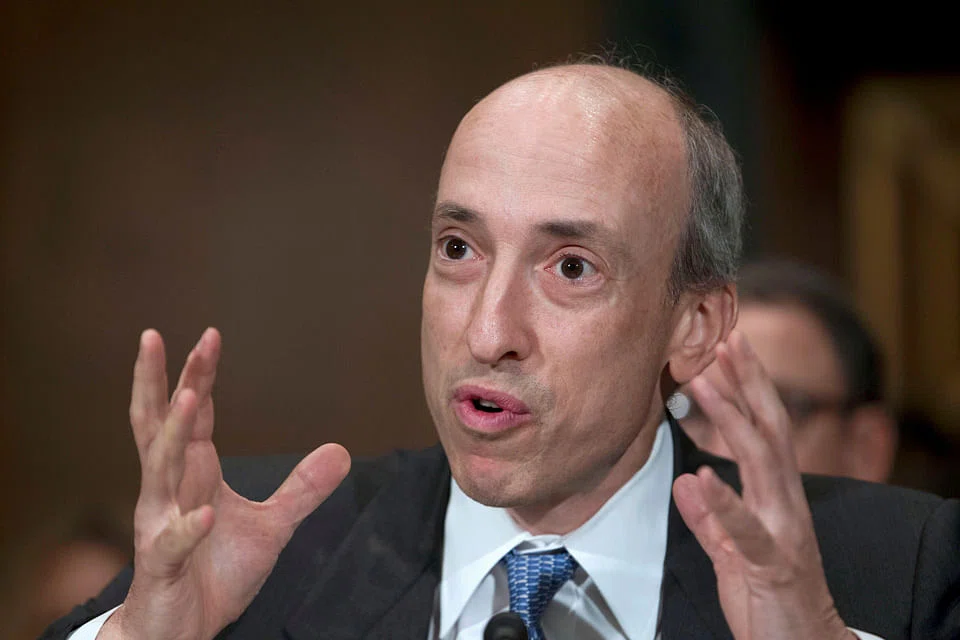
DeeperDive is a beta AI feature. Refer to full articles for the facts.
New York
ROBINHOOD Markets and Citadel Securities had starring roles in the GameStop Corp trading frenzy that rocked financial markets this year. Now they may have the most to lose as US regulators' look at a clean-up.
In his most revealing comments so far about how Washington might respond to the meme-stock mania, Securities and Exchange Commission (SEC) chairman Gary Gensler put a spotlight on online brokerages and market makers that dominate the business of executing retail investors' equity orders.
He said popular apps like Robinhood exploit game-like features to keep customers trading - an investing strategy that can eat into returns over time.
He also raised concerns that a deluge of equity transactions are being routed through Citadel Securities and a few other massive players, which he said threatens "healthy competition". In remarks prepared for a Thursday House hearing, the SEC chief made clear that such issues will be a focus as the regulator examines whether tougher rules are needed.
The task ahead for the SEC is daunting. Many of its regulations were approved more than a decade ago - long before social media, real-time trading and smartphones transformed the stock market.
Navigate Asia in
a new global order
Get the insights delivered to your inbox.
Mr Gensler said in testimony released on Wednesday for his appearance before the House Financial Services Committee: "Many of our regulations were largely written before these recent technologies and communication practices became prevalent. We need to evaluate our rules, and we may find that we need to freshen up our rule set."
As a first step, he said he has asked SEC staff to seek public comment on "gamification", a term describing video game-like features that critics have most closely associated with Robinhood. The feedback the regulator receives will inform potential policy changes.
He also said the agency will step up its scrutiny of payment for order flow - the practice in which Citadel Securities, Virtu Financial Inc and other firms pay brokers for the right to execute customers' orders.
In addition, the SEC plans to review whether it should boost investments funds' disclosures of short sales and swap positions that are linked to stocks, Mr Gensler said.
Financial Industry Regulatory Authority (Finra) president Robert Cook, who leads the Wall Street-funded watchdog that polices brokerages, and Depository Trust & Clearing Corp president Michael Bodson will testify alongside Mr Gensler.
Thursday's hearing is the third that the House panel is holding on GameStop. Retail investors banded together on social-media platforms in January to drive the video game retailer to astronomical levels, badly hurting hedge funds that were betting against the stock in the process. The episode fuelled a Main Street-conquering Wall-Street narrative that became a topic of headlines worldwide.
Much of the trading took place on Robinhood, which enraged customers by temporarily stopping them from buying additional GameStop shares because the high volumes overwhelmed the brokerages. Citadel Securities, which executed many of the orders along with Virtu, was dragged into the controversy; billionaire founder Ken Griffin having to testify before the House committee in February. The SEC is working on a report about GameStop that it has pledged to release soon.
"We look forward to engaging with the SEC as they consider potential rules in these areas," said Robinhood spokesperson Jacqueline Ortiz Ramsay. Virtu spokesman Andrew Smith said the firm is "supportive of changes that enhance the investing experience for retail investors".
A Citadel Securities spokesman referred to Mr Griffin's February testimony when he said: "We simply play by the rules of the road. ... If they choose to change the rules of the road - we need to drive on the left side versus the right side - that's fine with us."
Robinhood, which is planning an initial public offering later this year, relies on payments for order flow for a big chunk of its revenue. Retail brokerages and market makers have aggressively defended the practice, arguing that it allow investors to trade stocks for free. But consumer advocates and financial industry critics say the payments trigger conflicts that could prompt brokerages to focus on profits rather than serving their customers' interests.
In his prepared remarks, Finra's Mr Cook said the regulator is "investigating whether its broker-dealer members complied with existing rules" during the wild January trading, and is considering strengthening its standards. BLOOMBERG
Decoding Asia newsletter: your guide to navigating Asia in a new global order. Sign up here to get Decoding Asia newsletter. Delivered to your inbox. Free.
Share with us your feedback on BT's products and services