Fintech’s impact on society drives need for public-private partnerships
 Add BT as a preferred source
DeeperDive is a beta AI feature. Refer to full articles for the facts.
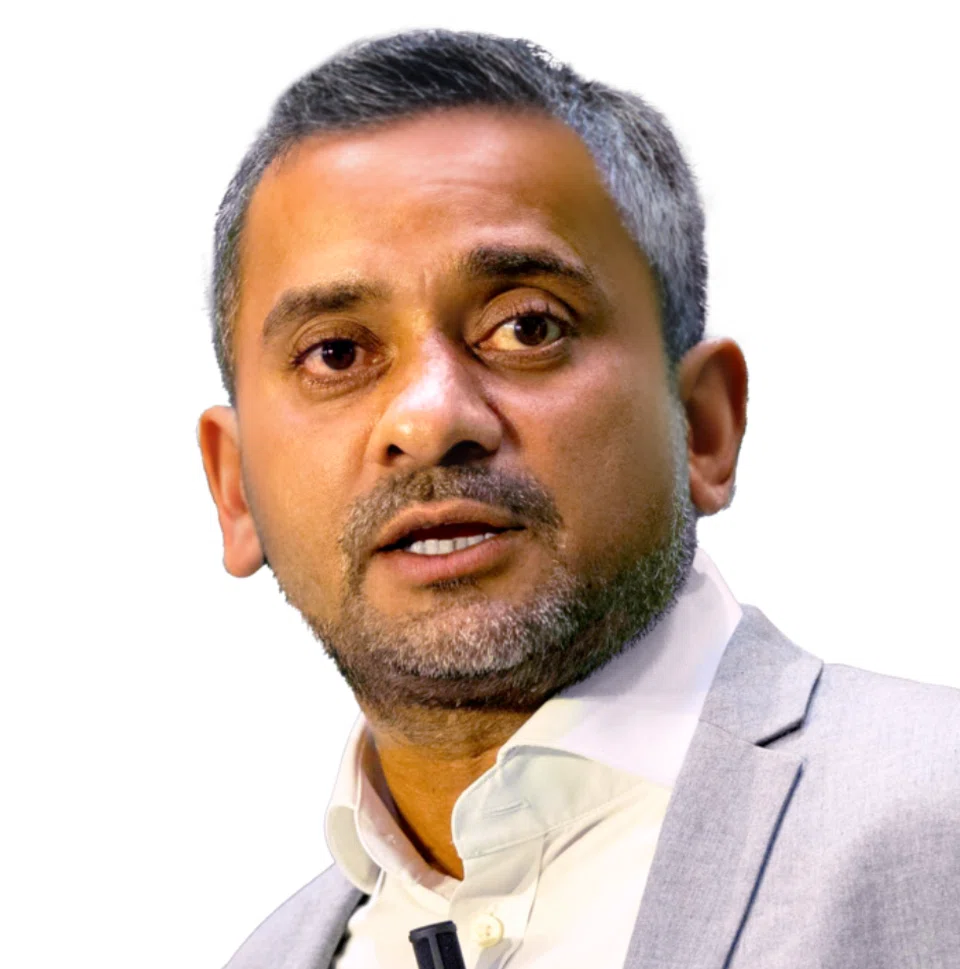
STRONG public-private partnerships have played a key role in driving efficiencies and reducing costs in the delivery of financial services products, according to Pat Patel, executive director at Elevandi, which is one of the organisers of the Singapore Fintech Festival (SFF).
He noted that the development of “digital public goods”, such as national-level payment systems and digital asset experiments, have contributed to the “growth, efficiency and innovation in the financial services industry”.
“In areas where there are few public-private sector partnerships, there is clearly a lack of effective digital public goods. This ultimately has a direct correlation with the state of a country’s financial services industry and fintech ecosystem,” he said.
While such public-private partnerships have always been important, Patel noted that the drivers and motivations have been changing as new technologies and changing consumer behaviour emerge.
“At first, the driver and motivations centred around the need for having people, processes and systems in place for security and risk,” he said. These motivations still exist, but there is also currently “a great need to centre on innovation and experimentation with new technologies”.
Key technologies including artificial intelligence (AI), blockchain and cloud computing would drive fintech development and shape the competitive landscape of finance over the next decade, according to a McKinsey analysis published last November.
Navigate Asia in
a new global order
Get the insights delivered to your inbox.
The report estimated that AI could generate up to US$1 trillion in additional value for the global banking industry annually, and banks and other financial institutions are expected to adopt an “AI-first mindset” to better prepare themselves.
Elevandi was set up by the Monetary Authority of Singapore in 2021 with the mission to foster open dialogue between the public and private sectors to advance fintech in the digital economy. Patel said they have been running collaborations since their incorporation, “and all our collaborations are focused on building opportunities that will drive the dialogue forward”.
In addition to the SFF, it also organised the Point Zero Forum held in Switzerland in June this year.

“We brought together regulators, policymakers, investors, as well as leaders in these areas. And through a series of small purposeful roundtables, we not only succeeded in educating regulators and policymakers on the latest developments within decentralisation and Web 3.0, but we also built bridges and helped those in the industry to better understand the regulators’ views and positions,” Patel said.
This year’s SFF continues the format of public and private sector roundtables “focusing on topics that require collaboration to advance industry thinking”. These include cross-border payments, sustainable finance, central bank digital currencies, and addressing skills gaps in the industry.
Fostering dialogue, however, is just the beginning. Patel said: “The most important is curating the right individuals and ensuring there is a purpose.”
For more stories, go to bt.sg/sff2022
Decoding Asia newsletter: your guide to navigating Asia in a new global order. Sign up here to get Decoding Asia newsletter. Delivered to your inbox. Free.
Copyright SPH Media. All rights reserved.