South Korea bonds off to a shaky start, BOK chief nominee vows to manage risks
 Add BT as a preferred source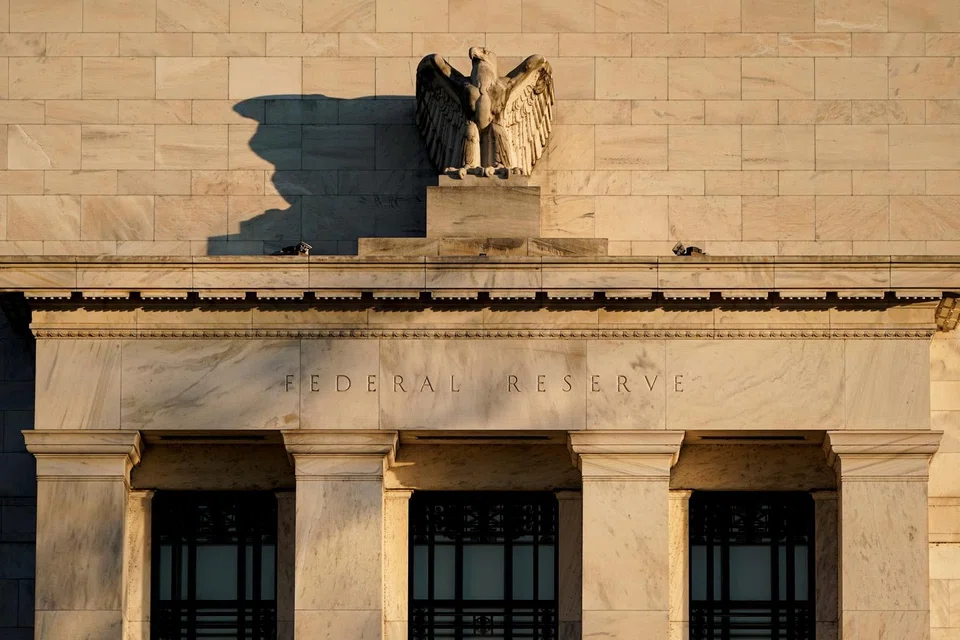
DeeperDive is a beta AI feature. Refer to full articles for the facts.
[SEOUL] South Korea's sovereign bonds got off to a shaky start on Tuesday (Mar 29) after crashing in the previous session, as investors bet the US Federal Reserve will tighten policy rapidly enough to risk a sustained slowdown in growth.
Yields rose slightly across 3-year and 10-year treasury bonds in early trade, with the yield on notes due December 2024 up 2.7 basis points to 2.770 per cent. Bonds trimmed some early losses, with the yield on 10-year notes up 4.8 basis points at 2.980 per cent.
On Monday, South Korea's treasury bonds suffered the biggest daily loss since the global financial crisis as the yield on notes due December 2024 rose 24.2 basis points to 2.747 per cent, the biggest daily climb since early 2009, Korea Financial Investment Association data showed.
The yield on 10-year notes surged by 16 basis points to 3.031 per cent at Monday's close, the highest since September 2014.
Before onshore trading began on Tuesday, Rhee Chang-yong, the nominee to be South Korea's central bank chief, said he will focus on risk management amid external uncertainties, as headwinds such as interest rate hikes by the Fed pose growth challenges for the Korean economy.
"Short-term-wise, it is not easy to assess spillover impact of US policy normalisation, resurgence of Omicron, the Russia-Ukraine war, and the slowing Chinese economy as inflation and growth risks are both mounting," the nominee, Rhee, a veteran International Monetary Fund official, said in a written note to reporters.
Navigate Asia in
a new global order
Get the insights delivered to your inbox.
The Bank of Korea (BOK) declined to comment when asked if policy intervention was needed to curb bond yields creeping up.
"There's just too many downside risks to growth and markets right now for the BOK to intervene. Markets are overshooting but policymakers seems to be in wait-and-see mode as they are watching the Fed's movement, and how strong the current inflationary pressure would grow," said Shin Hwan-jong, head of fixed income at NH Investment & Securities in Seoul.
Data on Tuesday showed that March consumers' inflation expectations rose to 2.9 per cent from 2.7 per cent in February, the highest since April 2014 as import costs surge.
Markets around the world continue to price in the prospect of aggressive monetary policy tightening by the Fed, after it raised its policy interest rate this month for the first time since 2018 and flagged more hikes to curb inflation.
South Korea's President-elect Yoon Suk-yeol's transition committee is reportedly planning a 50 trillion won (S$55.7 billion) supplementary budget, fueling speculation that the new government could massively increase treasury bond sales. REUTERS
Decoding Asia newsletter: your guide to navigating Asia in a new global order. Sign up here to get Decoding Asia newsletter. Delivered to your inbox. Free.
Share with us your feedback on BT's products and services