

Standard Life Aberdeen's new CEO eyes deals in shift to passive products
 Add BT as a preferred source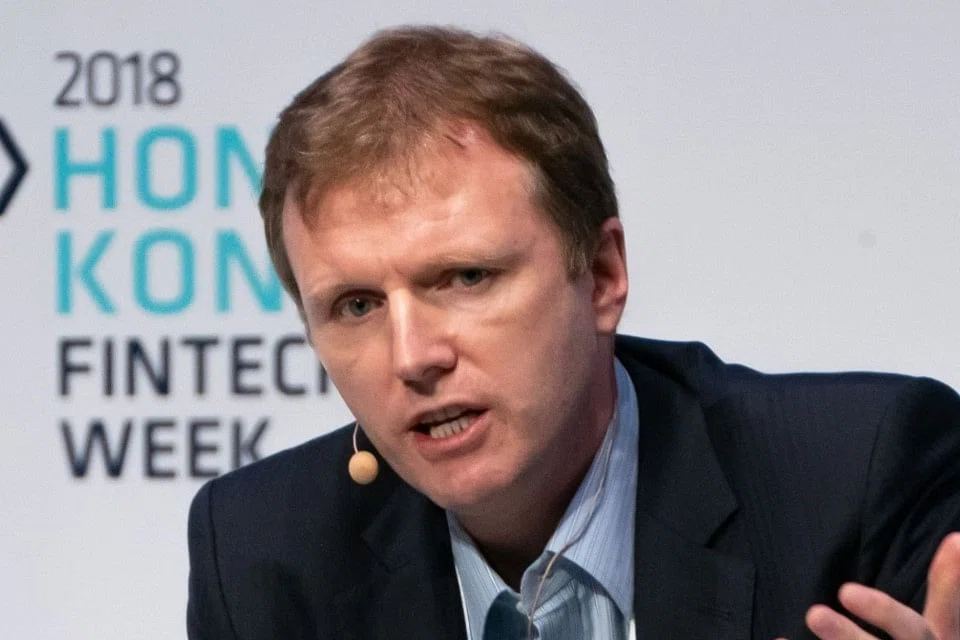
DeeperDive is a beta AI feature. Refer to full articles for the facts.
London
STANDARD Life Aberdeen's new chief executive officer Stephen Bird is on the hunt for acquisitions and new technology to lead the money manager into a strategy that has become indispensable to the industry's growth: passive management.
In his first published interview since taking the helm in September, Mr Bird, 53, said he plans to reverse an investor exodus by building a stable of passive products that could eventually account for as much as 30 per cent of its assets.
The £512 billion (S$910 billion) firm, which relies almost entirely on stock pickers and bond specialists to choose investments, needs to ease its reliance on active managers and embrace the global swing toward index investing if it is to thrive and grow, he said.
Passive business "is an essential component of a full solution provider. We are screening for which technology, which people, which capabilities can help us get there", said the ex-Citigroup banker. "An ideal active-passive split would be 70/30."
Mr Bird wants to turn Standard Life Aberdeen, which traces its roots back nearly 200 years, into a "21st century competitor".
Navigate Asia in
a new global order
Get the insights delivered to your inbox.
He is chasing a chunk of the business that index giants BlackRock and Vanguard have already been enjoying for years, as investors fled higher-fee active managers in favour of cheaper funds that simply track markets.
That has seen the global universe of passive funds soar to US$12 trillion of assets under management, said Morningstar.
"If you stay as an old traditional asset class asset manager, you will be extinct," Mr Bird said.
He has his work cut out. He has inherited a firm that has suffered a constant string of investor outflows since it was formed by the merger of UK giants Standard Life and Aberdeen Asset Management three years ago.
His focus will now be on streamlining its various brands into one that people will remember, and investing in data analysis and cutting-edge technology, such as artificial intelligence and cloud computing.
When the Standard Life Aberdeen merger completed in August 2017, the newly created firm had £670 billion in assets. It has since suffered withdrawals every year since the tie-up, with about £25 billion pulled in the first half of this year. The company also lost its title as the UK's largest stand-alone asset manager to Schroders.
"I did the analysis and I could see, we've not been growing," Mr Bird said. "When you don't grow, you have to ask yourself: wait a minute, how clear is my identity?"
He plans to harness his experience of 21 years at Citigroup, where his most recent role was head of global consumer banking. He stepped down from the lender last year after Jane Fraser rose to the bank's No 2 job, putting her in position to then succeed Michael Corbat as CEO.
Mr Bird's name later came up among potential candidates to head HSBC Holdings, a job that went to Noel Quinn.
Mr Bird's overhaul of Standard Life Aberdeen involves investment in key areas, such as developing inexpensive exchange-traded funds (ETFs).
The company will hire more staff to build up its ETF business, while also seeking to boost investments in assets such as private companies, infrastructure and real estate. It may opt for "bolt-on" acquisitions of smaller companies to build its offerings.
"I've got an M&A screen that I developed with team here," he said. "I identified a gap. One was passive globally. We can either buy proprietary ETF technology, buy an ETF business or build it. The other gap was in private markets."
Mr Bird is still a firm believer in active management, saying that the coronavirus has shaken up and exposed weak businesses, giving stock pickers a chance to shine in some situations. But he insists that cannot be an excuse to be complacent about the potential of new technology that is on offer.
"We are thinking of acquisitions but it won't be traditional asset managers," said he. "We don't want to buy an old asset manager. Everything you see us do will look very 21st century." BLOOMBERG
Decoding Asia newsletter: your guide to navigating Asia in a new global order. Sign up here to get Decoding Asia newsletter. Delivered to your inbox. Free.
Share with us your feedback on BT's products and services
TRENDING NOW

Japan stocks look set for new highs in 2025 on earnings, reform

Beijing’s calculated silence on the Iran war

China pips the US if Asean is forced to choose, but analysts warn against reading it like a sports result

Richard Eu on how core values, customers keep Singapore’s TCM chain Eu Yan Sang relevant

