

Sterling edges higher after British government tax U-turn
 Add BT as a preferred source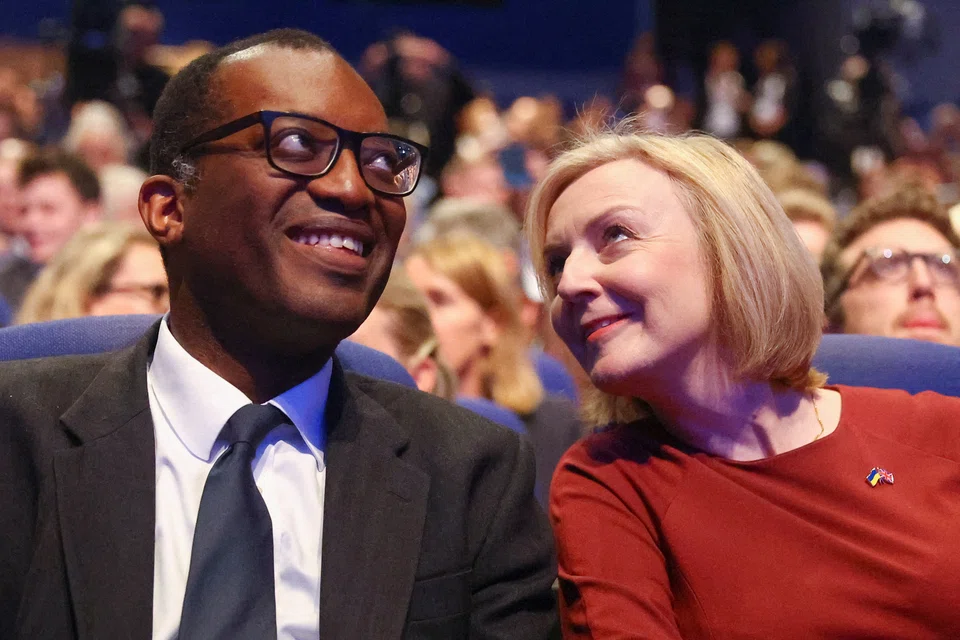
DeeperDive is a beta AI feature. Refer to full articles for the facts.
THE pound edged up on Monday (Oct 3), on news that Britain would reverse plans to cut the highest rate of income tax, one contentious part of a package of financial measures that last month sent sterling and British government bonds into meltdown.
Yields on British government bonds fell, pushing their prices up. The government’s “mini-budget” on Sep 23 had triggered a rout in the bond market, forcing the Bank of England (BoE) to step in last week. The FTSE 100 was down in line with broader European equities.
Finance minister Kwasi Kwarteng said the decision to scrap the top rate tax cut had been taken with “some humility and contrition”, after his party’s lawmakers reacted with alarm to a move that favoured the rich during an economic downturn.
The U-turn comes after the government’s fiscal plans triggered a crisis of investor confidence, jolting markets to such an extent that the BoE had to intervene with a £65 billion (S$104.38 billion) bond-buying programme.
Analysts said the move, which reverses two billion out of £45 billion of planned tax cuts – would support the pound, but warned more government action might be needed.
“We do not see today’s announcement by the UK chancellor as a game changer for sterling,” said Vasileois Gkionakis, Citi’s head of European FX strategy.
Navigate Asia in
a new global order
Get the insights delivered to your inbox.
“The borrowing path trajectory will barely change and the big issues at play (unsustainability, higher risk premium) remain in place in our view.”
The pound gained as much as 1 per cent to US$1.128 on initial media reports of the U-turn, the currency’s highest level since the day before Kwarteng announced the “growth plan” that cut taxes and regulation, funded by vast government borrowing.
Sterling later pared some of its gains and was last up 0.4 per cent at US$1.12085. The pound had slumped to a record low of US$1.03270 versus the dollar last week in the days after the mini-budget.


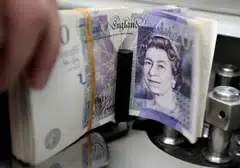
The euro was down 0.9 per cent against the pound at 87.095 pence.
“This probably won’t be enough on its own to restore confidence – whether that’s reversing more tax cuts or plans to reduce spending. Markets will still want their pound of flesh,” said Lee Hardman, currency analyst at MUFG.
Jan von Gerich, chief analyst at Nordea, said it would probably take markets time to “buy the message” but that it was a step in the right direction.
“Questions still remain and sterling will likely remain under pressure,” he added. REUTERS
Decoding Asia newsletter: your guide to navigating Asia in a new global order. Sign up here to get Decoding Asia newsletter. Delivered to your inbox. Free.
Share with us your feedback on BT's products and services
TRENDING NOW

Air India asks Tata, Singapore Airlines for funds after US$2.4 billion loss

Beijing’s calculated silence on the Iran war

China pips the US if Asean is forced to choose, but analysts warn against reading it like a sports result

Richard Eu on how core values, customers keep Singapore’s TCM chain Eu Yan Sang relevant

