

Sterling, euro slide as US dollar marches higher
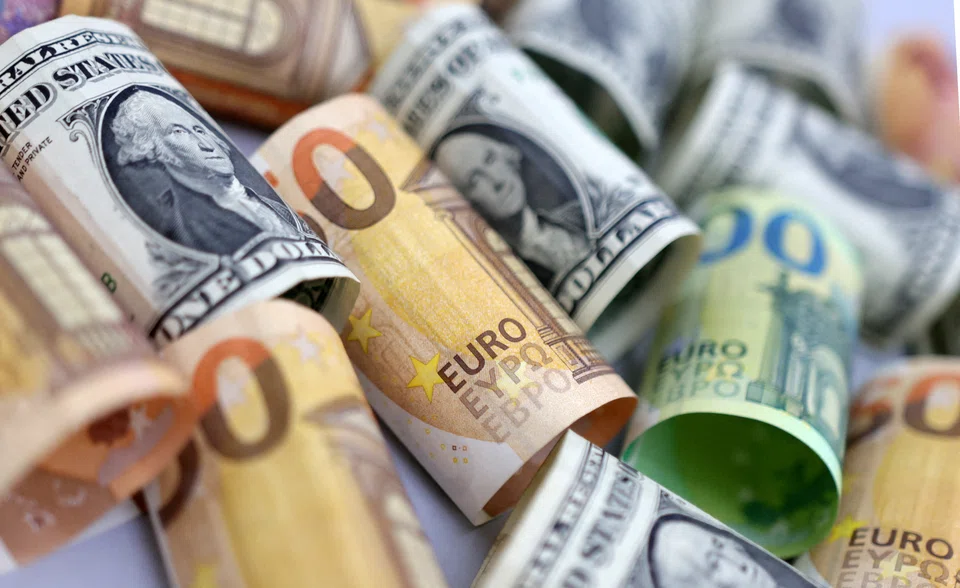
THE US dollar gained ground against the euro and sterling on Thursday (Sep 1) after earlier hitting a 24-year peak against the Japanese yen, as investors positioned for higher US interest rates and remained concerned about the health of European economies.
The euro slid 0.37 per cent to just hold above parity against the US dollar at US$1.10016, while the pound hit a fresh 2½ year low of US$1.15545 down around 0.5 per cent, as the safe-haven US dollar was supported by moves away from riskier assets.
The US dollar index, which measures the greenback against a basket of currencies, was up 0.34 per cent at 109.09, not far off its 2-decade high of 109.48 hit on Monday.
“Even after hitting fresh records, USD strength has scope to extend somewhat further, boosted by the global slowdown and the European energy crunch in particular,” said analysts at Generali Insurance Asset Management.
Manufacturing activity across the eurozone shrank for a second month in August, according to a survey, mirroring a slump in factory activity around the world, and while European energy costs have softened slightly this week, they remain at highly elevated levels.
The Japanese yen, earlier in the day, slid to as low as 139.69 yen per US dollar, its softest since 1998, before paring its losses. The US dollar was last up 0.24 per cent higher at 139.3 yen.
“The main driver remains rate differentials between Japan and the US, and even today’s price action just follows the overnight move higher in US rates. We think the path ahead is going to depend on how US rates behave,” said Sosuke Nakamura, a strategist at JPMorgan in Tokyo.
Expectations for a 75-basis-point US rate hike at next month’s Federal Reserve meeting are rising on the back of solid economic data, with Fed funds futures last pointing to around a 75 per cent chance of such an increase.
This helped push the yield on benchmark 10 year US Treasuries to a 2-month high of 3.219 per cent early on Tuesday. Japan’s policy of yield curve control means its 10 year government bond yield is just 0.24 per cent.
A senior finance ministry official said on Thursday that Japan was watching currency moves with a “high sense of urgency”.
The risk-sensitive Australian and New Zealand dollars also sold off as part of the move towards safe haven assets and hit their lowest levels since July.
The Aussie was last down 0.47 per cent at US$0.68115, and the kiwi was 0.49 per cent lower at US$0.6105.
Bitcoin which, too, trades in line with risk sentiment, was slightly softer, trading a fraction under US$20,000. REUTERS
Decoding Asia newsletter: your guide to navigating Asia in a new global order. Sign up here to get Decoding Asia newsletter. Delivered to your inbox. Free.
Share with us your feedback on BT's products and services
TRENDING NOW

He built the Vingroup empire. Now South-east Asia’s richest man is handing some key roles to his sons

Fed hike throws Singapore banks a margin lifeline; UOB likely to benefit more

Luxury properties seized in S$3 billion money laundering case fail to sell at auction

US stocks: Tech leads Wall Street to higher close as oil eases, Treasury yields dip

