

‘Stratospheric’ US$127 billion from India’s diaspora to aid rupee
An aggressive push by lenders in hubs such as Dubai, Singapore and London helps to drive the surge in inflows
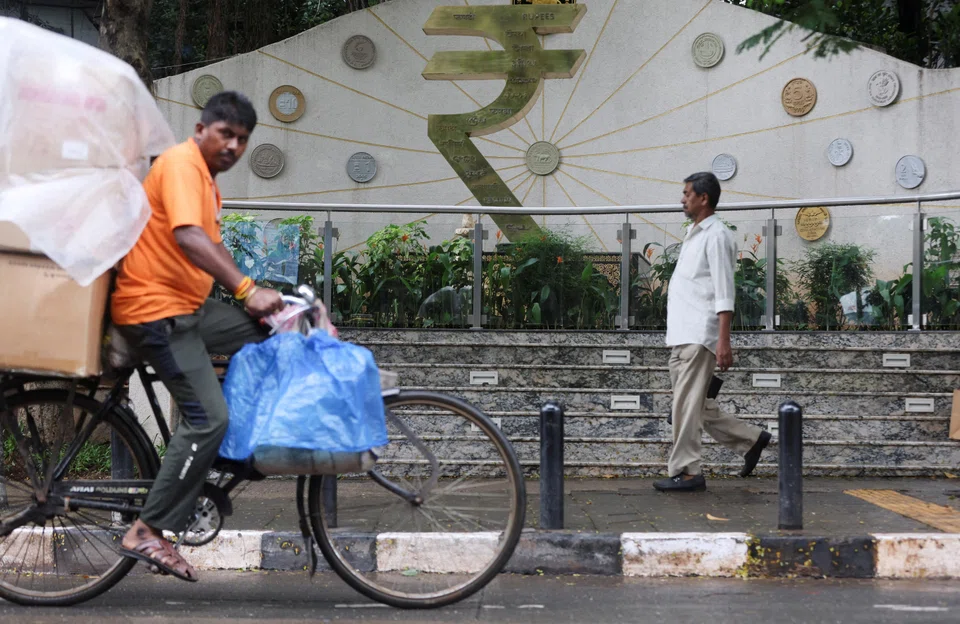
[MUMBAI] India drew a record US$127 billion from its vast diaspora through special programmes, far surpassing estimates and giving policymakers a formidable buffer to defend the beleaguered rupee.
An aggressive push by lenders including State Bank of India and ICICI Bank, along with HSBC Holdings and Standard Chartered to tap India’s 35 million-strong diaspora in hubs such as Dubai, Singapore and London helped drive the surge in inflows.
The amount collected via so-called foreign currency non-resident, or FCNR (B), deposits was US$127.23 billion, the Reserve Bank of India (RBI) said in a statement on Wednesday (Sep 2).
Inflows from overseas foreign-currency debt and external commercial borrowings were US$9.15 billion, taking the total to US$136.38 billion, exceeding the central bank’s US$80 billion estimate.
The measure has ended with “stratospheric” flows into India’s forex reserves, giving the RBI ample “firepower”, Nomura analysts Sonal Varma and Aurodeep Nandi wrote in a note.
The special window was offered in June to shield the rupee from sliding after hitting record lows. The RBI offered to take on the risk of currency-hedging costs of FCNR deposits, and lenders offered loans amounting to up to 19 times the original deposit.
The buffer underscores India’s growing ability to tap its overseas citizens for foreign currency during periods of market stress. It revives a playbook used during the 2013 taper tantrum, when a similar window attracted US$26 billion and fuelled a sharp rupee rally.
The rupee strengthened as much as 0.7 per cent to 94.2713 per US dollar on Thursday, its highest level in more than a month. The yield on the 10-year sovereign bond declined four basis points to 6.94 per cent.
Banks had taken the campaign global, reaching out to non-resident Indians through branches, relationship managers and diaspora networks across major overseas markets. Lenders also used India’s tax-free financial hub – Gujarat International Finance Tec-City – to lend about US$52.82 billion under the RBI’s swap window.
The lenders used the RBI-backed incentives to make foreign-currency deposits more attractive by passing on rates as high as 7.75 per cent to overseas Indians. The effort transformed a typically steady stream of diaspora deposits into an aggressive, coordinated push for dollars.
The massive dollar inflow has pushed the central bank’s reserves to a record high of US$729.3 billion and helped avert what could have been an unprecedented third year of a deficit in India’s broadest measure of money flowing in and out of the economy.
India’s current account – or a snapshot of external finances – will probably reflect a surplus of as much as US$80 billion for the year through to March, according to Gaura Sen Gupta, chief economist at IDFC First Bank. However, the RBI will keep accumulating dollars to pay back the deposits, she added. The deposits mature in three and five years.
The strong response to the schemes will have implications for the banking sector, given the surplus liquidity they have generated.
“Given the magnitude of these inflows, its profitable deployment is likely to take some time and could intensify competition for quality borrowers,” Sachin Sachdeva, a vice-president at ratings agency Icra said. The near-term impact could be cheaper loans and some moderation in margins, he added.
The central bank surprised markets last month when it ended the FCNR window a month earlier than announced, having already achieved its objective ahead of schedule. BLOOMBERG
Decoding Asia newsletter: your guide to navigating Asia in a new global order. Sign up here to get Decoding Asia newsletter. Delivered to your inbox. Free.
Share with us your feedback on BT's products and services
TRENDING NOW

Once staunchly pro-China, Malaysian Chinese businesses are now distancing themselves from Beijing

Looking beyond looming CEO succession, should UOB potentially pursue a transformative merger?

Could stablecoins be the future of money?

Grab CEO’s wife Chloe Tong on life with Anthony Tan and finding her purpose

