

Survey shows crypto's gender disparity - one in 5 holders are female

Singapore
IS the world of cryptocurrency a boys' club? A recent survey of about 4,300 Singapore-based adults suggests so, finding that only one in five crypto holders here are female.
And even though the average median income of a female crypto holder is higher than that of their male counterpart, females generally have less crypto exposure in their overall portfolio.
This survey, conducted in end June and July this year by personal finance community platform Seedly, crypto exchange Gemini, and crypto price-tracking site CoinMarketCap, found that 67 per cent of the respondents, or 2,862 individuals, are crypto holders.
By its calculations, the average crypto holder in Singapore is a 29-year-old male with about S$52,000 in annual household income.
The average non-crypto holder in Singapore is aged 28 and has an annual household income of about S$47,500.
Some 79.9 per cent of the crypto holders are men, with their median annual income falling within the S$45,001-S$55,000 bracket. The median annual income of a female crypto holder falls within the S$55,001-S$75,000 bracket.
Despite a higher average income, almost half, or 46 per cent, of female crypto holders allocate less than 5 per cent of their investment portfolios to cryptocurrency. About 12 per cent of the female crypto holders surveyed have more than half of their portfolios in crypto.
Among the male crypto investors, 34 per cent allocate less than 5 per cent of their portfolios to cryptocurrency, while 19 per cent have more than half of their portfolios in crypto.
Gemini's managing director for Asia-Pacific Jeremy Ng said the gender divide is likely due to females' lower risk appetite.
"This may be attributed to a number of factors - women crypto holders may take more time to conduct risk assessments on the investment product. They may also be more likely to venture into crypto when they have reached a financial level they are comfortable with," Mr Ng told The Business Times.
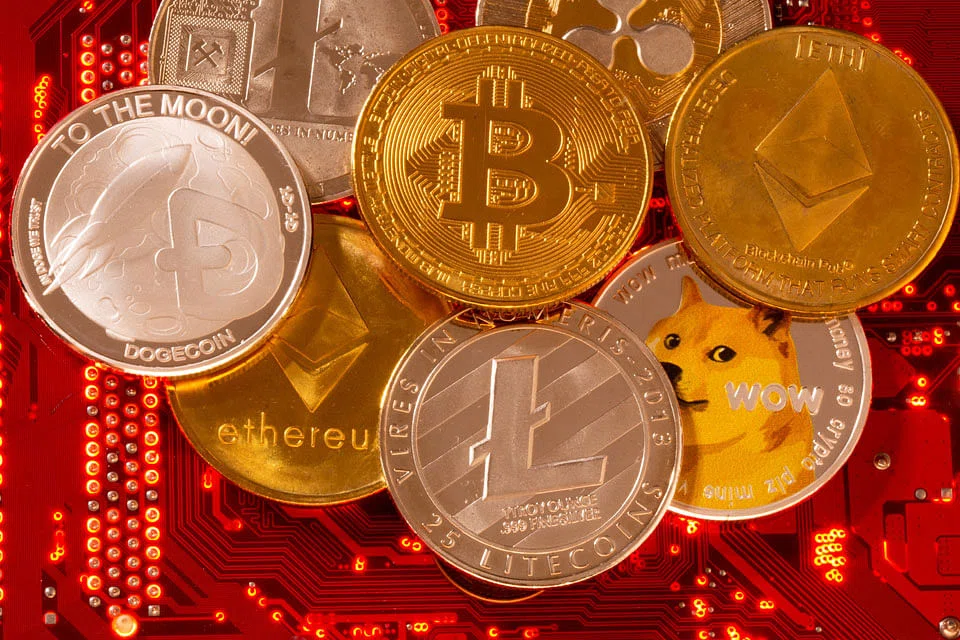
Ether is the most popular cryptocurrency, with about 78 per cent of the crypto holders holding onto it. Bitcoin is the second most popular, with about 69 per cent of the crypto holders surveyed holding onto it.
Mr Ng noted that the Ethereum blockchain is seeing a "renewed sense of euphoria" in the market globally, due to its recent network upgrade and is perceived to provide for a greater variety of use cases, and thus more viable as a long-term investment.
While these are the two most popular cryptocurrencies across genders, females tend to hold more ripple and polkadot than their male counterparts, while the US dollar-pegged stablecoin tether is more popular among males.
When it looked at crypto exposure based on age, the survey found that one in five respondents in the 18-24 year old bracket have allocated more than half of their portfolios to crypto assets.
In dollar terms,15 per cent of respondents within this age group had over S$10,000 in cryptocurrencies, and 79 per cent had between S$1,000-S$10,000.
About half of those aged 35-44 have over S$10,000 in cryptocurrencies.
In terms of investment behaviour, 81 per cent of investors are looking to buy and hold cryptocurrency, 58.3 per cent trade crypto to rake in profits, while 43.1 per cent use crypto deposits to earn interest.
Among the non-crypto holders (1,486 respondents), 33 per cent maintain a neutral outlook on cryptocurrency for the next 12 months, while 27 have a "bullish outlook". Despite that, only about 15 per cent of the latter subgroup say they are very likely to invest in crypto within the same period.
68.8 per cent of non-crypto holders cited their lack of knowledge and understanding as the main deterrent from investing, while 52.2 per cent find the markets too volatile.
44.7 per cent of non-crypto holders also say crypto investments are risky, while 42.7 per cent cite the lack of regulatory oversight and investment protection.
76.2 per cent of all respondents said a "good price to enter the market" could prompt them to invest in crypto, but the survey did not include their views on what makes a good price.
TRENDING NOW

Grab CEO’s wife Chloe Tong on life with Anthony Tan and finding her purpose

Hwa Seng Builder, two China companies win S$1.2 billion Tuas Road Viaduct phase two contracts

Deal between tycoon friends sparks scrutiny of Philippine power sector

Canada is upping oil flows to Asia, but South-east Asia’s refineries aren’t ready to handle them yet

