

Sweden's EQT targets Asia-Pacific as IPO decision looms
Private equity fund's management is now turning east for expansion
 Add BT as a preferred source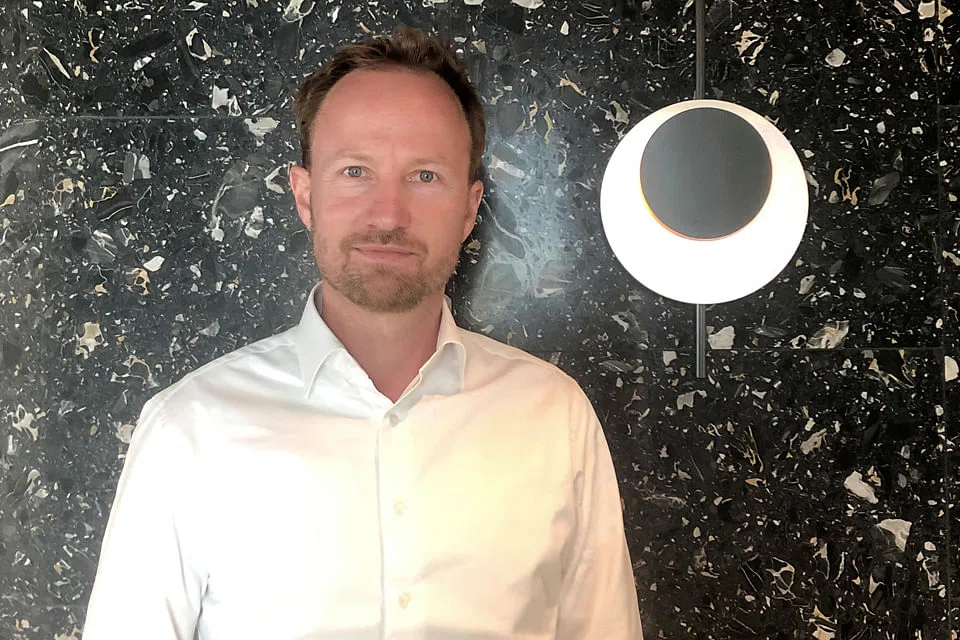
DeeperDive is a beta AI feature. Refer to full articles for the facts.
Stockholm
HIGH above Stockholm's skyline, Sweden's EQT Partners is plotting the next chapter in its rapid rise from a Nordic-focused investor to the world's seventh-biggest buyout firm, with a focus on growth in the Asia-Pacific region.
With 40 billion euros (S$61.2 billion) under management, EQT has quietly transformed itself since its launch in 1994 from an investment arm for Sweden's influential Wallenberg family into Europe's second-largest private equity (PE) fund behind Britain's CVC.
EQT raised a record nine billion euros in March for its fourth infrastructure fund and in May paid US$8.2 billion for US fibre network firm Zayo and US$10 billion for Nestle's skincare unit, its largest deal to date.
While much of EQT's growth outside of the Nordics has come from buying and selling companies in Germany and Switzerland, its management is now turning east for expansion. "Asia offers a great opportunity for growth and we intend to increase our presence there," chief executive Christian Sinding told Reuters at EQT's new headquarters.
The 46-year-old Norwegian stressed that the fund wanted to grow in areas where it was still small rather than expanding in new asset classes.
Navigate Asia in
a new global order
Get the insights delivered to your inbox.
Mr Sinding said EQT may pursue an initial public offering (IPO) as part of a strategic review which was announced last year. A decision on whether to proceed would be made after the summer.
"In order to future-proof EQT and continue our growth, we are considering taking this a step further by building EQT's own balance sheet," Mr Sinding told Reuters.
And while economic uncertainty means tougher times might lie ahead, Mr Sinding sees bigger deals and larger funds as a natural evolution. "We think a lot about the recession. EQT pays high multiples for assets, but we're okay with that because it's about buying really good companies and making them better," he added.
Sources familiar with the Nestle deal said EQT paid close to 20 times Ebitda due to fierce competition from other investors. A report by Bain & Co says the average multiple for European and US buyout deals is around 11 times across all sectors.
Asia-Pacific represents around 16 per cent of EQT's portfolio and former CEO Thomas von Koch, now its deputy managing partner, is set to move to Hong Kong to back the growth strategy for the region, which includes setting up an office in Australia.
The Nordic region dominates EQT's holdings with 33 per cent of its invested capital at the end of 2018, with the rest of Europe accounting for 25 per cent, the Americas 20 per cent and the rest of the world the remainder.
Mr Sinding also wants to invest in disruptive but not yet profitable start-ups in Europe, in a quest to find the next Spotify or Klarna, as well as in profitable private firms in need of capital such as Banking Circle. "We have a ventures fund and great buy-out funds but there is an interesting pocket in between," he noted.
While US giants Blackstone, KKR and Carlyle have gone public and become self-styled alternative asset managers, only a handful of PE funds are listed in Europe.
Mr Sinding ruled out any interest in diversifying EQT away from its core business of companies, infrastructure and credit. "We stick to investments that can add real value. Our aim is not to be the biggest private equity fund but rather the most reputable," he added. REUTERS
Share with us your feedback on BT's products and services
TRENDING NOW

Autobahn Rent A Car directors declared bankrupt over S$50 million each owed to DBS

Higher costs, lower returns: Why are Singaporeans still betting on real estate?

Richard Eu on how core values, customers keep Singapore’s TCM chain Eu Yan Sang relevant

Loyang Valley sold for S$880 million to SingHaiyi-led consortium

