

Swiss bank admits cash and gold withdrawals cheated US taxman
Newark, New Jersey
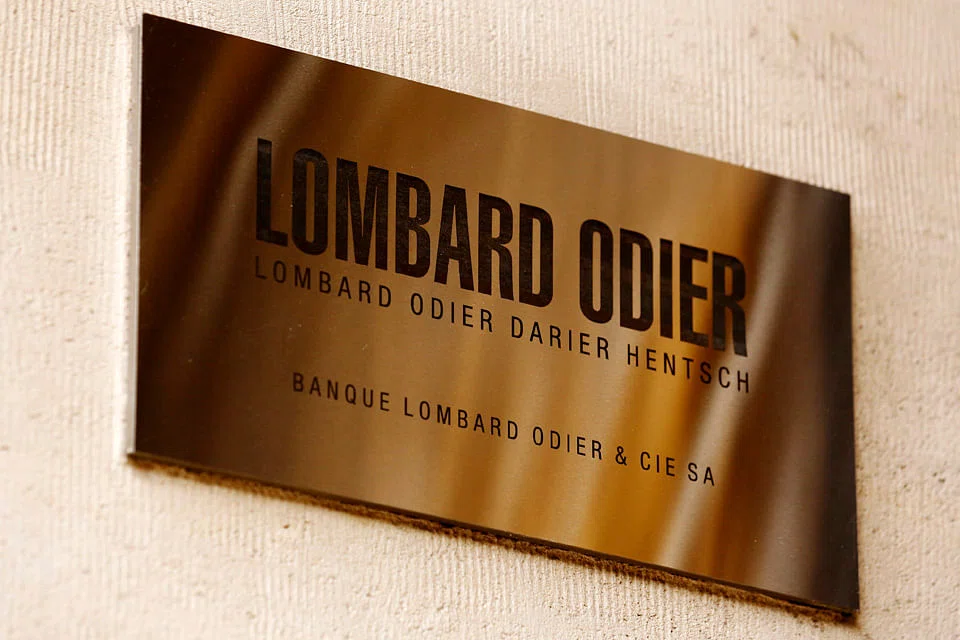
LARGE cash and gold withdrawals was one way Bank Lombard Odier & Co allowed US clients to sever a paper trail on their assets and cheat the Internal Revenue Service, the Swiss lender admitted, agreeing to pay US$99.8 million to avoid prosecution.
That penalty is the second-largest paid under a programme to help the US clamp down on tax evasion through Swiss banks. Total penalties have reached more than US$1.1 billion as banks have revealed how they helped clients hide money and where the assets went. DZ Privatbank (Schweiz) AG will also pay almost US$7.5 million under accords released on Thursday.
The US struck 75 such non-prosecution agreements last year, with the tempo and US dollar amount increasing in recent weeks as it rushed to finish.
Geneva-based Lombard Odier, founded in 1796, had 1,121 US accounts with US$4.45 billion in assets from 2008 through 2014, according to the agreement, announced on Thursday.
The bank adopted a policy in 2008 to force US clients to disclose undeclared assets to the IRS or face account closures. However, the policy authorised large cash or gold withdrawals, donations to US relatives or charitable institutions, resulting in further wrongdoing, according to the statement.
In 2009 alone, the bank processed 14 cash withdrawals of more than US$1 million each for clients closing 11 accounts, according to the non-prosecution agreement. One client closed an account by withdrawing more than US$3 million in gold, the bank admitted.
"These withdrawals of cash and precious metals enabled US persons to sever the paper trail for their assets and further conceal their income and assets from US authorities," according to the agreement.
The bank also closed at least 12 US accounts worth US$15.7 million with "fictitious donations" to other accounts at the bank, Lombard Odier admitted.
The bank "did not adequately address the exit policies" when it made presentations to the Justice Department about its programme, according to the statement.
While the bank admitted the fictitious donations and large cash withdrawals were "shortcomings" in the implementation of its policy, it said orally and in writing that relationship managers encouraged US clients to close their accounts using traceable methods. The bank also said structured donations were policy violations.
In fact, the written policy "authorised cash or gold withdrawals, or donations to non-US relatives or charitable institutions", the bank admitted.
Lombard Odier was aware that a relationship manager with an equity interest in the bank "may have engaged in significant misconduct", but didn't disclose that to the Justice Department for several months, according to the agreement.
The bank also knew that an unnamed US lawyer had referred US accounts, but didn't disclose his identity to the Justice Department until last month, according to the accord.
Lombard Odier has set aside funds to cover the settlement amount, which does not affect its capital ratios, the bank said in a statement. BLOOMBERG
TRENDING NOW

Nvidia reinstates Jensen Huang as CEO; Trump says move poses no national security risk

Beyond the greenback, Vietnam’s big borrowers turn to Asian-currency bonds

Indonesia’s coal tycoon Low Tuck Kwong replaced as Bayan Resources president-director

Six workers file employment claims against Crystal Jade Food Manufacturing

