

Swiss bank UBP returns to Chinese markets
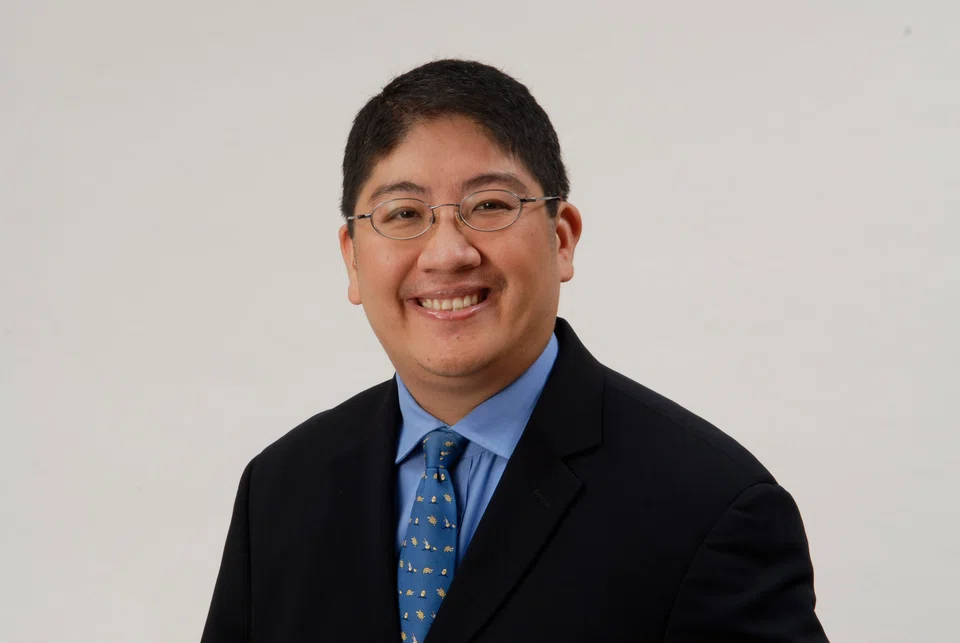
SWISS private bank Union Bancaire Privée (UBP) is back in Chinese markets, its chief investment officer said, making its way back to the world’s second-largest economy after withdrawing last year.
UBP has more than US$150 billion of assets. It returned to China in August after having exited all positions in mainland equities and credit in the third quarter of 2021, Norman Villamin, CIO of wealth management, told Reuters.
“We went from zero to neutral,” Villamin said.
While many institutional investors have reduced exposure to China since 2019 amid a regulatory crackdown on tech giants, a deterioration in Sino-US relations and strict zero-Covid policies, UBP is among the few that is re-allocating to the country.
Villamin said UBP saw some “hope” that there would be more stimulus measures ahead of and after the Communist Party Congress in October.
“If some of the Covid restrictions start to ease, even if it is gradual, at least we’re moving in the right direction,” Villamin said.
UBP deemed an underweight exposure in China “tactically risky”, he added.
“China has gone through a recession, while Europe is in the midst of recession, and the US is likely entering a recession in 2023,” Villamin said.
UBP has however only bought China A-shares, which is the domestic sector, and is avoiding companies that might have exposure to geopolitical issues.
SEE ALSO
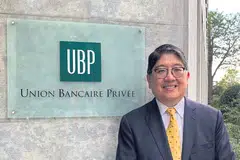
Chinese markets have been facing unprecedented challenges this year, with both the CSI 300 index and Hang Seng Index down over 20 per cent each, while hedge funds that invest in Greater China are seeing their biggest net fund outflows in at least 15 years.
UBP believes China is slowly poised to recover although it will not be a smooth sailing. Some deep-seated problems, such as the real estate debt crisis, will take a long time to resolve.
“We think (China’s) objective on property is to shrink the sector as a share of the overall economy to wind down the amount of leverage in the sector,” said Villamin.
“We don’t see a lot of growth opportunities there.” REUTERS
Decoding Asia newsletter: your guide to navigating Asia in a new global order. Sign up here to get Decoding Asia newsletter. Delivered to your inbox. Free.
Share with us your feedback on BT's products and services
TRENDING NOW
One-third of Singapore-listed firms at risk in severe AI downturn: MAS
‘Not done’: Keppel CEO Loh Chin Hua transformed the group, but says there’s ‘still a lot to do’

He built the Vingroup empire. Now South-east Asia’s richest man is handing some key roles to his sons
‘We don’t want to stay as we are’: CEO Patrick Ng builds a more resilient Huationg

