

Taiwan central bank to weigh inflation, GDP in next rate move
TAIWAN will weigh both inflation and economic growth when deciding on its next interest rate decision in June but the island’s economy may not rebound until the fourth quarter, central bank governor Yang Chin-long said on Wednesday (May 24).
While Taiwan has followed major economies in raising interest rates to control inflation, it has done so at a much more moderate pace, reflecting the island’s comparatively low level of inflation.
At its last quarterly board meeting in March, Taiwan’s central bank raised its policy rate by 12.5 basis points (bps) to 1.875 per cent – the fifth hike since it began the current round of tightening in March last year.
Asked at a parliament committee session whether there would be another rate rise at its Jun 15 quarterly rate-setting meeting, Yang said they would consider both inflation and economic growth.
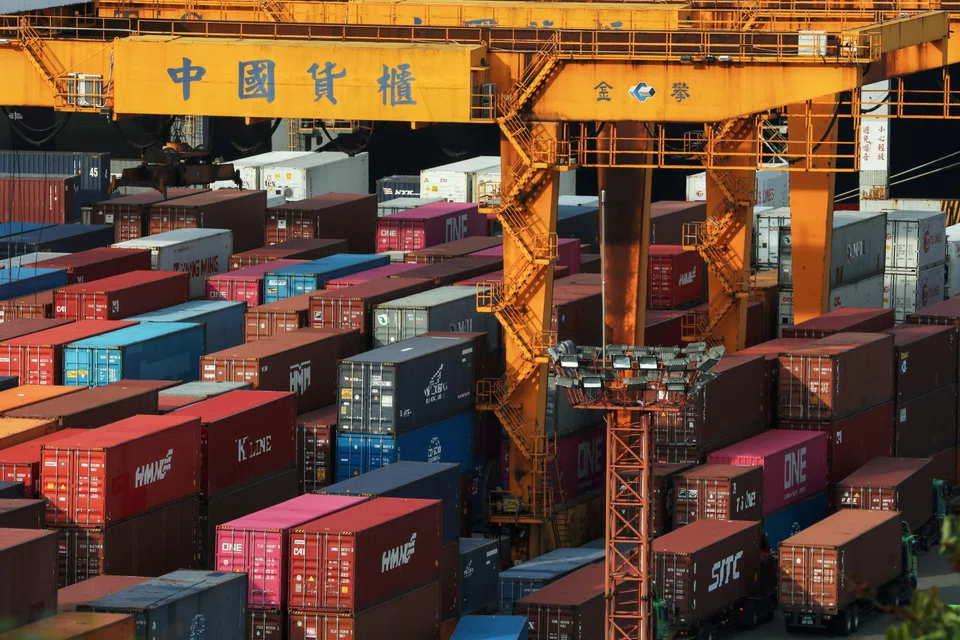
The export-dependent economy is now in recession after contracting for two quarters in a row.
Taiwan’s central bank generally takes its cues on rate moves from the United States.

Asked whether he thought the US Federal Reserve would raise rates again in June, Yang said the market expectations for that happening were not high and that US inflation was coming under control.
Taiwan has also managed to control its inflation “quite well” in comparison to other countries, he added.
Yang said the global economy this year would likely perform worse than last year, and that Taiwan’s economy may not rebound until the final three months of 2023. REUTERS
Decoding Asia newsletter: your guide to navigating Asia in a new global order. Sign up here to get Decoding Asia newsletter. Delivered to your inbox. Free.
Share with us your feedback on BT's products and services
TRENDING NOW

World’s largest offshore wind platform by Seatrium consortium on track to be completed by 2028

Is stamp collecting enjoying an analogue revival or are its best days over?

GovTech retrenches another 38 staff in second round of layoffs

MBS adjusted property Ebitda falls 20.6% in Q3 with fewer high-roller visits, weaker hold

