Thai central bank backs top lenders after S&P downgrades ratings
 Add BT as a preferred source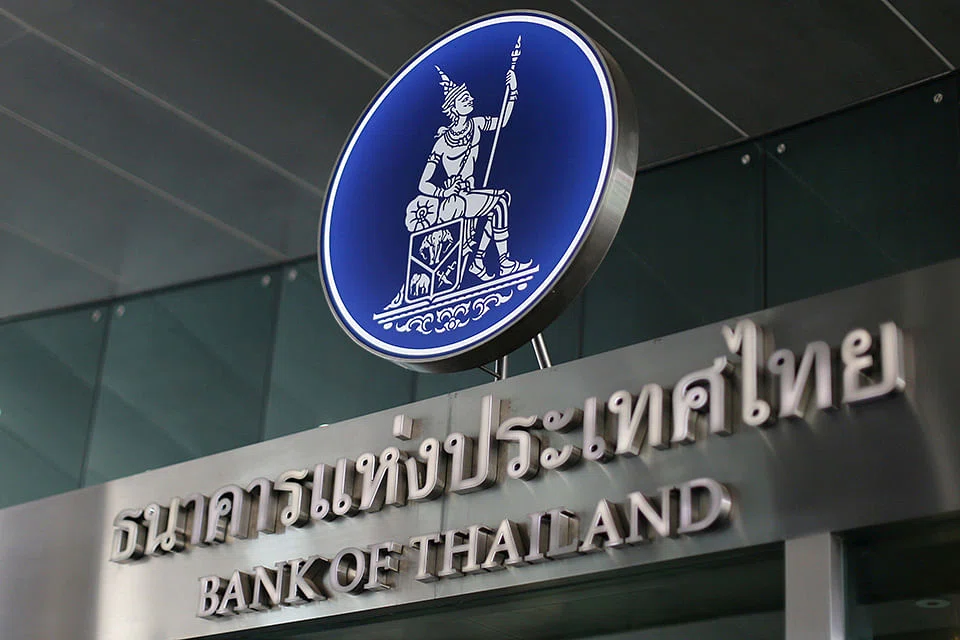
DeeperDive is a beta AI feature. Refer to full articles for the facts.
[BANGKOK] Thailand's banking system remains resilient with high levels of capital buffer to withstand future risks and uncertainties, the nation's central bank said on Tuesday (Mar 22), a day after S&P Global Ratings downgraded the top lenders citing increased systemic risks.
The capital adequacy ratio of Thai banking system stands at 20 per cent and lenders have increased provisioning against bad loans by 430 billion baht (S$17.4 billion) in the past 2 years, the Bank of Thailand (BOT) said in a statement. Total provisioning at 890 billion baht is equivalent to 1.6 times of non-performing loans, it said.
"This reflect banks vigilance against the backdrop of heightened uncertainties," the central bank said. "Currently, the financial positions of the Thai banking system remain resilient with high levels of buffer."
S&P Global ratings lowered ratings of Siam Commercial Bank and Kasikornbank to BBB from BBB+ and that of Krung Thai Bank and TMBThanachart Bank to BBB- from BBB, saying the move reflected its view "that systemic risks have increased for banks operating in Thailand." The rating company affirmed ratings of Bangkok Bank and Bank of Ayudhya at BBB+ and also retained the stable outlooks for all the 6 lenders.
"Systemic risk for Thailand's banks has risen, and high leverage among borrowers is likely to persist for longer than we previously expected," S&P said. "Regulatory relaxation, such as a loosening of loan-to-value ratio requirements for mortgages, or an absence of any concrete action to rein in high household debt would delay a resolution of structural issues, in our view."
S&P's base case scenario project bad loans ratio of Thai banks jumping to 5 per cent over the 24 months, the highest level since the 2008 global financial crisis, from 3 per cent currently, it said.
Navigate Asia in
a new global order
Get the insights delivered to your inbox.
But the central bank said regular stress tests on banks' capital found that the "Thai banking system remained resilient and able to withstand future risks and uncertainties." "Going forward, the continued recovery of the Thai economy will help improve income and debt serviceability of borrowers as well as the loan quality of banks," BOT said.
Various debt relief measures introduced by the central bank during the pandemic have been instrumental in bringing down the number of debtors under the financial assistance programme of banks to 14 per cent of total loans from a peak of 30 per cent during a surge in Covid-19 outbreak in July 2020, BOT said. BLOOMBERG
Decoding Asia newsletter: your guide to navigating Asia in a new global order. Sign up here to get Decoding Asia newsletter. Delivered to your inbox. Free.
Share with us your feedback on BT's products and services