

Thai central bank flags inflation risk from further baht decline
 Add BT as a preferred source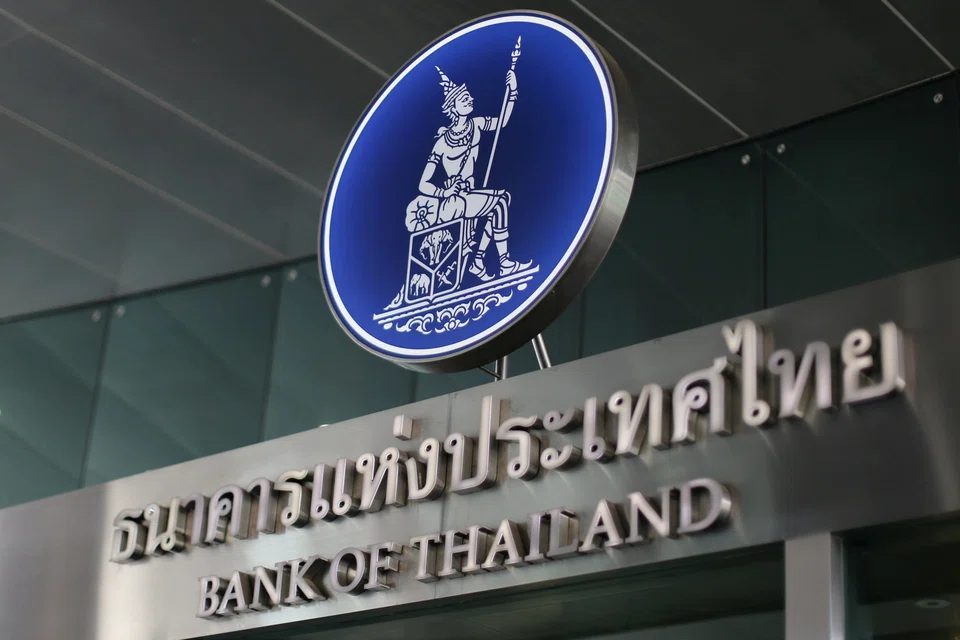
DeeperDive is a beta AI feature. Refer to full articles for the facts.
THAILAND faces the risks of inflation quickening further from a 14-year high if the baht continues to weaken, the country’s central bank has said.
About 75 per cent of Thai imports are quoted in dollars; the rest are in sellers’ local currencies, said a Bank of Thailand (BOT) presentation in a meeting with analysts on Monday (Oct 17). In this regard, monetary authorities said they are monitoring the exchange rate, given the pass-through cost.
The baht is emerging as South-east Asia’s worst-performing currency in the second half, losing 7 per cent during the period and hitting a 16-year low. The currency rose 0.4 per cent to 38.176 per dollar just before 11 am local time.
Still, the Thai central bank, which has raised its policy rate by only a total of 50 basis points, is sticking to its gradual tightening approach as the “appropriate path”.
“BOT’s monetary policy will continue to support continued recovery in the economy, and the central bank will refrain from adding uncertainty,” assistant governor Piti Disyatat told analysts. The central bank will not aim at slowing economic growth to curb inflation as Thai price gains are due to higher costs rather than demand, he said.
The nation’s foreign currency reserves are robust enough to handle capital flows, and the drop in stockpiles is due to asset revaluation against a stronger dollar, he said. BLOOMBERG
Decoding Asia newsletter: your guide to navigating Asia in a new global order. Sign up here to get Decoding Asia newsletter. Delivered to your inbox. Free.
Share with us your feedback on BT's products and services
TRENDING NOW
‘Boring’ is the new black: The stars are aligning for a Singapore stock market revival

Near sell-out launches in March boost developer sales to 1,300 units after four slow months

China pips the US if Asean is forced to choose, but analysts warn against reading it like a sports result

Genting Singapore’s Lim Kok Thay receives S$7.5 million pay package for FY2025

