Thai central bank is 'taking action' on baht, worried by rapid rise
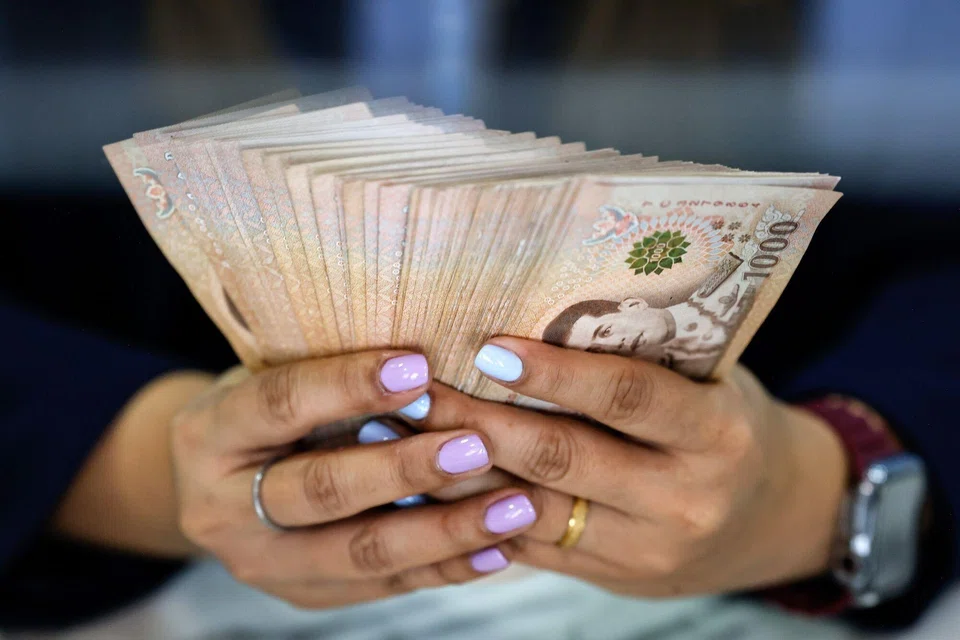
[BANGKOK] Thailand’s central bank has moved to contain rapid gains in the baht, ordering tighter scrutiny of foreign exchange transactions linked to gold trading and instructing commercial banks to closely monitor foreign currency inflows, the bank’s chief said on Tuesday (Dec 16).
The baht traded at 31.5 per US dollar on Tuesday. It has strengthened by 8.8 per cent against the US dollar so far this year to become Asia’s second-best performing currency, putting further pressure on South-east Asia’s second-largest economy, which has been struggling with US tariffs and high household debt.
Since early this month, the baht has appreciated by about 2.5 per cent, driven mainly by a weaker US dollar, seasonal inflows from year-end tourism and exports, as well as foreign inflows into equities and bonds, Bank of Thailand (BOT) governor Vitai Ratanakorn said in a statement.
Transactions by gold traders have also risen notably, with a significant increase in sales of US dollars to buy baht, he said.
“Transactions by gold traders during certain periods account for 20 per cent of total foreign exchange trade, contributing to baht volatility,” he added.
The central bank has stepped in to manage the currency, and tighten supervision over US dollar sale transactions by gold businesses wanting to purchase baht, the governor said.
The move came a day after Finance Minister Ekniti Nitithanprapas said the baht was too strong and hurting the economy.
Prime Minister Anutin Charnvirakul told reporters on Tuesday that he had asked the finance minister to hold discussions with the central bank about tackling the baht’s strength.
The BOT has instructed commercial banks to strictly verify documentation for US dollar-sales-for-baht transactions by gold traders.

It is also seeking a finance ministry directive that would authorise the central bank to request relevant foreign exchange transaction data from major gold dealers, Vitai said.
The central bank has also asked the finance ministry to assign an agency to oversee the gold trade, particularly online gold trading platforms where transaction sizes have expanded significantly, spilling over into currency volatility, added Vitai.
The central bank will inspect foreign currency sales-for-baht transactions to prevent undesirable inflows unrelated to normal business operations or personal transfers.
Commercial banks are required to strictly monitor foreign currency inflows, the governor said. REUTERS
Decoding Asia newsletter: your guide to navigating Asia in a new global order. Sign up here to get Decoding Asia newsletter. Delivered to your inbox. Free.
Share with us your feedback on BT's products and services