

Thailand central bank vows to step in if baht moves are unhinged
The Bank of Thailand doesn’t target any particular level or direction for the baht and its gain this year is in line with regional peers
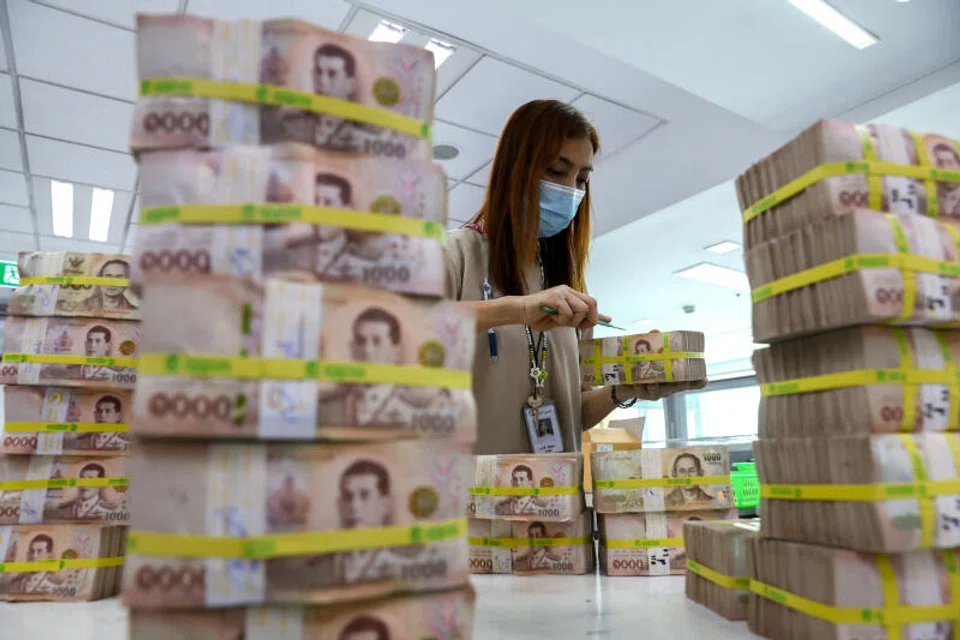
[BANGKOK] Thailand’s central bank is ready to tackle excessive baht volatility by managing any moves “unhinged” from its fundamentals, a deputy governor said, amid calls from local businesses to temper the currency’s rally to help exports and tourism.
“We do look at the baht closely and try not to let it be too volatile,” Piti Disyatat said in an interview late on Thursday (Jun 26). “If it’s driven by non-fundamental reasons, portfolio perceptions, sentiment that’s unhinged with macro fundamentals then we will reduce the volatility.”
The Thai baht has surged about 5 per cent this year, prompting some ministers and business groups to call for the central bank to weaken the currency to boost exports and tourism – the nation’s biggest drivers of growth.
Piti’s comments also come at a time when the nation is in trade talks with the US to lower a 36 per cent tariff rate on its goods. President Donald Trump has long accused Asian countries for maintaining undervalued exchange rates that helped them amass trade surpluses with the US.
The Bank of Thailand doesn’t target any particular level or direction for the baht and its gain this year is in line with regional peers, Pita said. The currency is little changed on a trade-weighted exchange-rate basis and hasn’t hurt the country’s export competitiveness, he said.
Thailand’s exchange rate policy complies with the International Monetary Fund code when it comes to managing volatility so it shouldn’t become an issue, Piti said, when asked if tariff talks with the Trump administration included exchange rate.

While foreign-exchange intervention was one instrument at the central bank’s disposal to maintain stability, BOT mostly allows the flexible exchange regime to absorb shocks, Piti said, adding “we manage it only when we really have to.”
The baht’s move in tandem with gold prices is not deemed as a fundamental reason, though it amplifies the currency’s movements, he said.
A jump in Thailand’s foreign reserves to a record US$259.9 billion this month reflects valuation adjustments in its asset holdings, rather than the central bank mopping up additional dollars, Piti said. BLOOMBERG
Decoding Asia newsletter: your guide to navigating Asia in a new global order. Sign up here to get Decoding Asia newsletter. Delivered to your inbox. Free.
Share with us your feedback on BT's products and services






