

Trader who made billions in 2008 buys pound near all-time low
A FORMER hedge fund manager who shot to fame for a US$2.7 billion volatility trading gain during the global financial crisis is buying the pound on a day when the currency has slumped to an all-time low.
Stephen Diggle used 10 per cent of the assets of a “small fund” to buy sterling to finance investments in the UK, especially stocks of companies that have earnings in the greenback, but costs in the British currency, he said in an e-mail. He didn’t specify the name and size of the fund.
“I’m not calling a trading low. Who the hell knows?” said the Singapore-based investor. “But against a 5- or 10-year average, sterling is very cheap now.”
Investors are dumping the currency after British Chancellor of Exchequer Kwasi Kwarteng vowed to implement more tax cuts, risking sending the country’s inflation rate and government debt surging. Sterling sank the most since March 2020, at the outset of the Covid-19 pandemic.
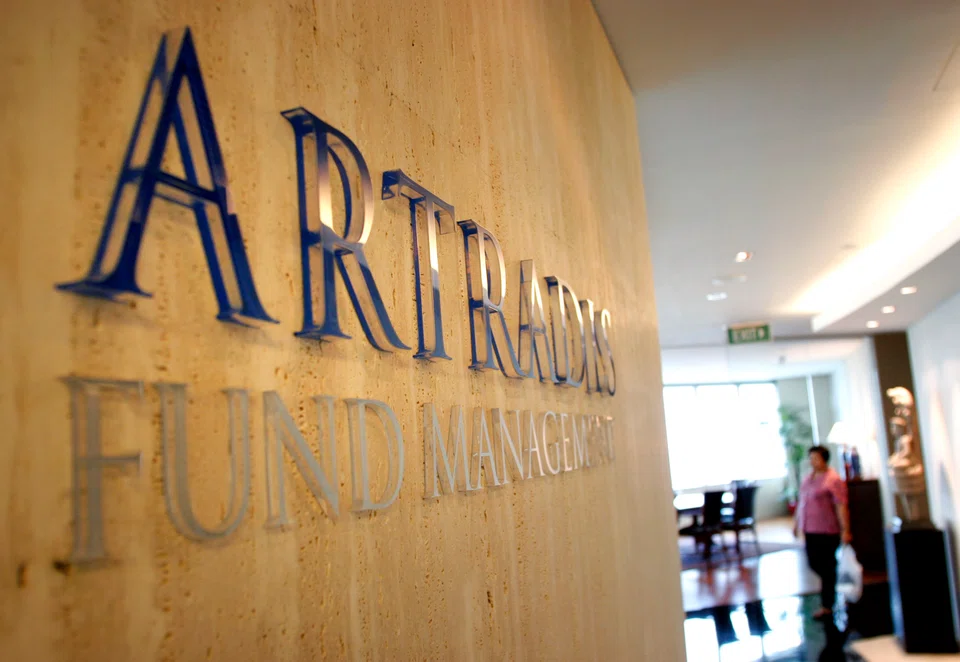
Diggle co-founded volatility hedge fund Artradis Fund Management in 2001. Artradis earned its name for lucrative bets in 2007 and 2008. Later his family office, Vulpes Investment Management, invested in assets including biotechnology ventures, avocado orchards in New Zealand, German real estate and European rearmament firms, the stocks of which surged on the Russian invasion of Ukraine.
The sterling bet wasn’t just opportunistic currency trading, as the firm has investments in the UK that need the pound, Diggle wrote, adding that he doesn’t see why “the violent reaction to the mini budget is warranted”.

The UK’s debt-to-gross domestic product ratio is lower than most G7 countries, giving the government some headroom for such easing, he said. “I like the tax cuts. Taxes in the UK had drifted too high and probably were stifling growth,” he said. BLOOMBERG
Decoding Asia newsletter: your guide to navigating Asia in a new global order. Sign up here to get Decoding Asia newsletter. Delivered to your inbox. Free.
Share with us your feedback on BT's products and services
TRENDING NOW
Temasek’s Wan Chee Foong to helm PIL, Lars Kastrup to be board adviser
Chagee, Mixue and Luckin won the market. Sustaining their edge is the harder part

He built the Vingroup empire. Now South-east Asia’s richest man is handing some key roles to his sons
One-third of Singapore-listed firms at risk in severe AI downturn: MAS

