UBS plans to buy back 4b francs of shares after wealth management surge
Bank finishes 2020 on a strong note with fourth-quarter net income of US$1.7 billion that beat analysts' estimates
Zurich
UBS Group AG plans to buy back as much as 4 billion francs (S$5.98 billion) of shares over the next three years, bolstering shareholder returns, after income from managing client assets and investment banking propelled gains at the world's largest wealth manager.
The lender is doubling the size of a previous repurchase programme and said it expects to buy back up to US$1.1 billion of shares in the first quarter, said a statement on Tuesday.
The bank finished off the year strongly, with a fourth quarter net income of US$1.7 billion that beat analyst estimates, and the Zurich-based firm meeting or beating all its targets in 2020.
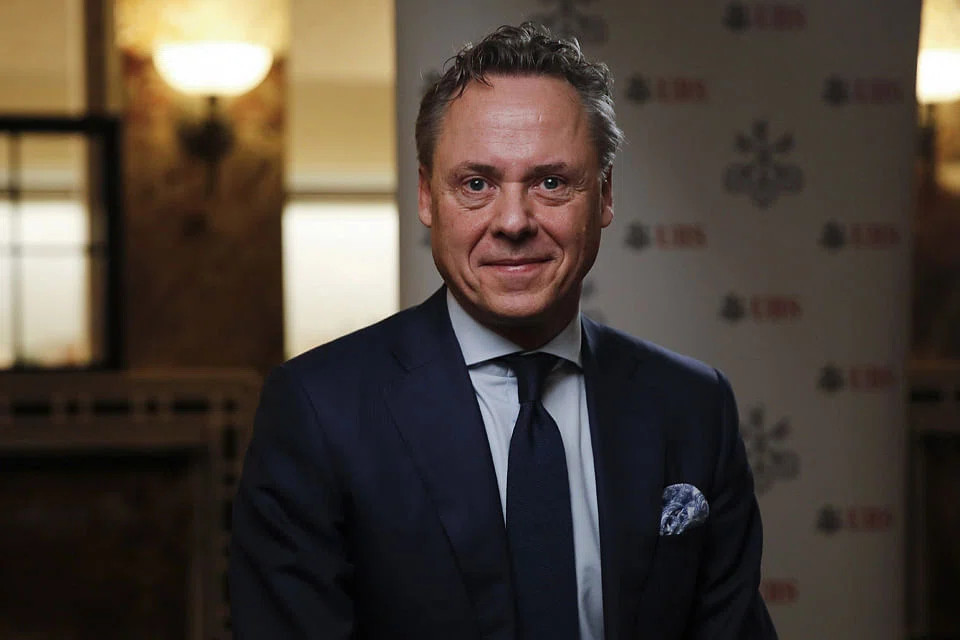
The results give a boost to chief executive officer (CEO) Ralph Hamers, whose start at the helm of Switzerland's largest bank barely three months ago has been overshadowed by a Dutch probe into his role in a money laundering scandal at his former employer ING Groep NV.
While chairman Axel Weber has backed the new CEO, the lender is facing a challenging year as the probe is expected to drag into 2022, when Mr Weber is scheduled to step down.
The focus on wealthy clients - who benefited from soaring stock markets - and relatively conservative lending have allowed UBS to sail relatively smoothly through the pandemic.
The Swiss bank added just US$66 million in the quarter to cover the cost of loans going sour, compared with analyst estimates of US$159.5 million. Higher recurring fee income helped drive a 22 per cent gain in private banking, while net new money surged to more than US$21 billion.
"We expect revenues in the first quarter of the year to be positively influenced by seasonal factors such as higher client activity compared with the fourth quarter of 2020," the bank said in a statement, while warning the outlook is still uncertain because of the pandemic.
UBS previously indicated it planned to boost buy backs, while reducing a dividend that was higher than many of its competitors. Total returns for shareholders for 2020 were about US$3.7 billion, including US$2 billion set aside for buybacks. That compares with US$3.4 billion for 2019.
Switzerland's largest bank stands in contrast to its European competitors who have had their hands tied by the European Central Bank on strict capital return policies, while the continent's economies have still to face the full economic outcome of the pandemic.
Mr Hamers is currently undertaking a review of all the bank's businesses and expects to give an update on strategic initiatives and plans in the second quarter.
Muted credit impairments bring UBS closer to the biggest US banks compared with many of its European peers. Wall Street firms, which had provisioned more aggressively at the onset of the pandemic, released US$1.56 billion worth of provisions in the fourth quarter.
UBS's results are also the first indication of how Europe's investment banks fared in the final months of last year, with the Swiss bank seeing profit jump at the unit after a 21 per cent rise in trading income.
The top five US investment banks - which combined for a record US$30 billion in profit in the quarter - saw their fixed-income trading revenue rise almost 10 per cent from a year earlier, while the equities business surged 35 per cent. UBS saw a 28 per cent jump in equities revenue, while fixed income was up 5 per cent. BLOOMBERG
Decoding Asia newsletter: your guide to navigating Asia in a new global order. Sign up here to get Decoding Asia newsletter. Delivered to your inbox. Free.
Share with us your feedback on BT's products and services