UK may scrap bonus cap to make London more attractive
 Add BT as a preferred source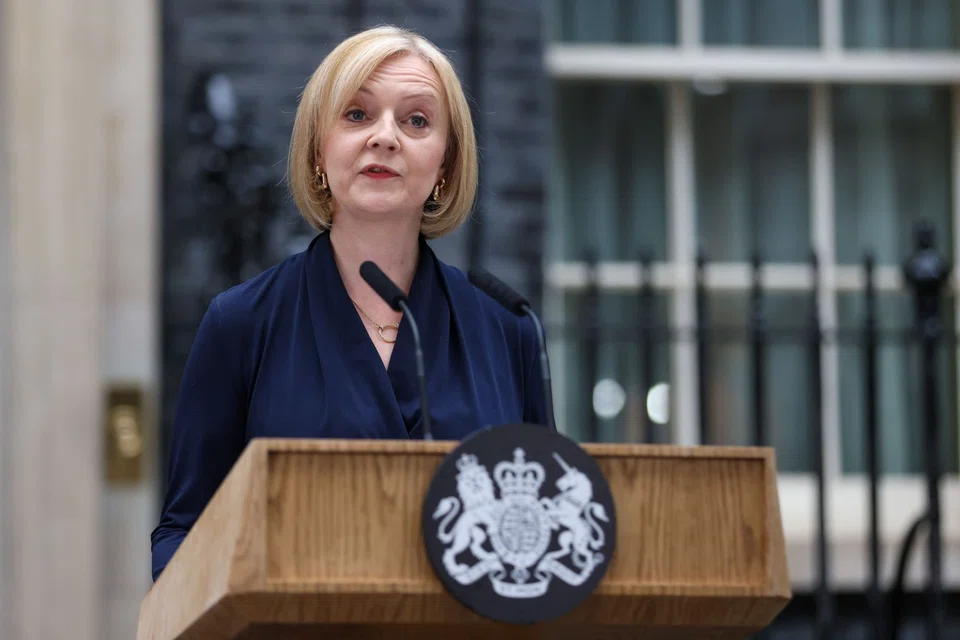
PRIME Minister Liz Truss signalled she’s prepared to take unpopular decisions to boost the UK’s economic growth as her new government considers scrapping a cap on bankers’ bonuses.
“Not every measure will be popular,” Truss told reporters late Monday en route to New York, where she is attending the United Nations General Assembly. “There are always vested interests, people who oppose measures that increase economic growth.”
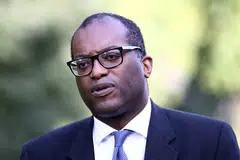
Truss spoke 4 days before Chancellor of the Exchequer Kwasi Kwarteng is due to set out the government’s new fiscal plans as the premier seeks to deliver on economic promises made over the summer during the Conservative Party leadership contest. Kwarteng believes the change to the bonus regime would make London more attractive, two people familiar with the matter told Bloomberg last week.
In a round of broadcast interviews in New York on Tuesday (Sep 200, Truss also signalled she sees room to increase the national debt, already at a level not seen since the 1960s as a share of economic output. She also appeared to confirm that Kwarteng’s statement on Friday will include plans announced during her leadership campaign to reverse this year’s 1.25 percentage-point increase in National Insurance, a payroll tax, and to scrap next year’s planned rise in corporation tax to 25 per cent from 19 per cent.
“I’ll always work to make sure that we are helping those who are struggling,” Truss told BBC TV. “That’s why we took the action that we took on energy bills because we didn’t want to see households facing unaffordable bills. And that’s why we’re going to take the action on National Insurance, reversing that increase as well.”
Asked about corporation tax, she said: “We have to look at all tax rates. So corporation tax needs to be competitive with other countries so that we can attract that investment.”
Truss has made a slew of expensive promises including a plan to freeze household bills that could reach £130 billion (S$183.3 billion), as well as a package to help businesses with their energy bills that could cost £40 billion. On top of that, she’s promised more than £30 billion in tax cuts. Asked how she can afford her plans, Truss told Channel 5: “The UK has one of the lowest levels of debt as a proportion of GDP of G7 nations so we are doing well on that metric.”
“We will strain every sinew as a government to get growth going,” Truss said.
Truss and Kwarteng have said they’re determined to introduce major post-Brexit reforms to the City of London by cutting red tape in order to boost growth. The new prime minister has promised to scrap all EU regulation by the end of 2023 including Solvency II and MiFID II rules governing insurance and trading.
The bonus cap, introduced by the European Union in the wake of the 2008 financial crisis, limits bankers’ bonuses to two times their salary. It was thought that the UK might ditch the rules after Brexit to lure bankers to the City but fears of a public backlash limited the political appetite to do so.
US investment banks such as Goldman Sachs and JPMorgan are likely to welcome any change as it will enable them to align their London pay practices with the US, where variable pay typically makes up a bigger part of compensation. UK banks with big investment bank operations including Barclays also likely to benefit from such a move.
However, former Bank of England policy maker Andrew Sentance said lifting the cap on banker bonuses would jar with efforts to rein in inflation, which touched a 40-year high of 10.1 per cent in July. The plan has also drawn criticism from Trades Union Congress General Secretary Frances O’Grady who contrasted the policy with the plight of public sector workers facing real-terms pay cuts because of soaring inflation.
“What is important to me; what is important to the chancellor; is that people have more opportunities, there is more investment, there are jobs with higher wages,” Truss said. “We are prepared to make that argument. This is about growing the size of the pie.”
While she declined to comment directly on the contents of Kwarteng’s planned statement on Friday, Truss told reporters that “having the highest taxes in 70 years and putting up corporation tax at a time when we’re trying to attract investment to this country isn’t going to deliver growth.” BLOOMBERG
Decoding Asia newsletter: your guide to navigating Asia in a new global order. Sign up here to get Decoding Asia newsletter. Delivered to your inbox. Free.
Share with us your feedback on BT's products and services