

US 2-year treasury yields back away from highest since 2007
 Add BT as a preferred source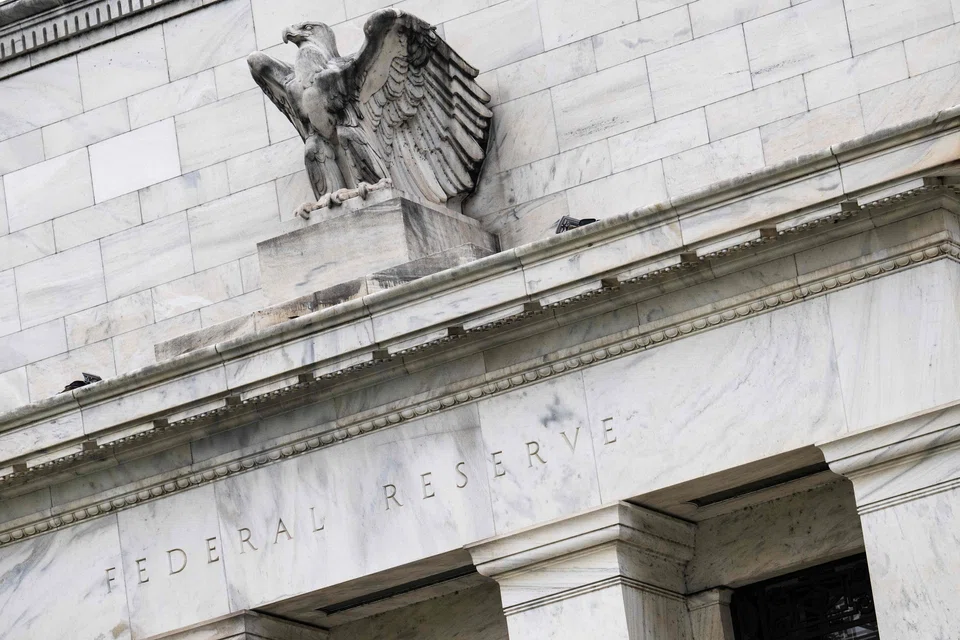
BONDS trimmed a selloff that drove short-term US yields to multiyear highs, with traders balancing inflation risks against the threat of an economic slowdown that may be exacerbated by aggressive central bank hikes.
The US 2-year rate pared a surge that sent it to the highest level since November 2007 following Federal Reserve chair Jerome Powell’s Jackson Hole speech that a restrictive stance was likely to remain in place “for some time”. European bonds led losses after a top central bank official said more tightening is needed even if the economy tips into recession.
“Even though there was an expectation that Powell would be hawkish, he easily exceeded those expectations,” said Andrew Ticehurst, a rates strategist at Nomura Holdings. “I was surprised US rates markets did not move more on Friday night. We retain our view for flatter curves following all the Jackson-Hole communication over the weekend.”
The Fed’s leadership of a global hawkish policy wave is also sending the greenback higher. The Bloomberg Dollar Spot Index climbed as much as 0.6 per cent to approach a record high set in July. The currency’s gains came as swaps traders boosted their expectation for where the Fed rate will be a year from now to 3.82 per cent, from 3.68 per cent a week ago.
“I can’t see anything other than the dollar going higher,” said Stephen Miller, an investment consultant at GSFM, a unit of Canada’s CI Financial. “US rates are going to go higher than in Europe and the UK because they both face economic dysfunction that complicates the capacity of central banks there to be as aggressive as the Fed.”
The yield on the US 2-year note climbed as much as 8 basis points to 3.48 per cent, before steadying around 3.42 per cent. In contrast, the 10-year benchmark remained higher at 3.11 per cent, reducing the inversion of the yield curve to around 31 basis points.
The advance in short-end yields has some investors looking to buy in at these levels. The selloff is attractive in a relative sense given the “bang for the buck” even with the amount of volatility, said Dave Plecha, global head of fixed income at Dimensional Fund Advisors. “We’re sort of buying into weakness in a sense.”
Powell and most other top officials from the world’s biggest central banks delivered a clear message at Jackson Hole that they are ready to keep imposing higher rates until inflation substantially moderates, even if that does economic damage. That said, early hiker, New Zealand may be nearing the end of its aggressive tightening cycle, according to its central bank governor.
The global debt rout was led by European bonds, where some European Central Bank (ECB) officials are floating an unprecedented 75-basis-point hike. Executive board member Isabel Schnabel warned the likelihood of inflation expectations becoming unanchored is uncomfortably high.

“The rhetoric of the ECB Governing Council members speaking at the Jackson Hole Symposium was unambiguously hawkish,” said UniCredit analysts including Marco Valli. “This is likely to put further pressure on short-dated European government bonds.”
Jackson Hole left traders divided on whether next month’s policy meeting will see the Fed match the past 2 gatherings with a 3-quarter point hike or slow down to a half-point move. Still-elevated inflation makes a rate increase inevitable, but the size “will depend on the totality of the incoming data and the evolving outlook”, Powell said.
Friday’s US payroll report - along with the next consumer-price-index numbers on Sep 13 - are among the biggest of the data points that will matter for the Fed and global bonds.
“The Fed’s fight with inflation is far from over and a dovish pivot remains in the distance,” said David Chao, a global market strategist at Invesco. “The US labour market remains tight, which will probably support wage growth and overall spending and purchasing power despite high inflation.” BLOOMBERG
Decoding Asia newsletter: your guide to navigating Asia in a new global order. Sign up here to get Decoding Asia newsletter. Delivered to your inbox. Free.
Share with us your feedback on BT's products and services
TRENDING NOW

Johor property old hand KSL readies family handover amid market boom

Seatrium eyes S$28 billion in project opportunities amid global race for energy security

China targets offshore billions in biggest crackdown in decades

Trek 2000 shares jump 41.5% after Osim founder Ron Sim drops claims, sells 7.3% stake to Azure Capital

