

US banking regulator says debt rule for big banks could lead to instability
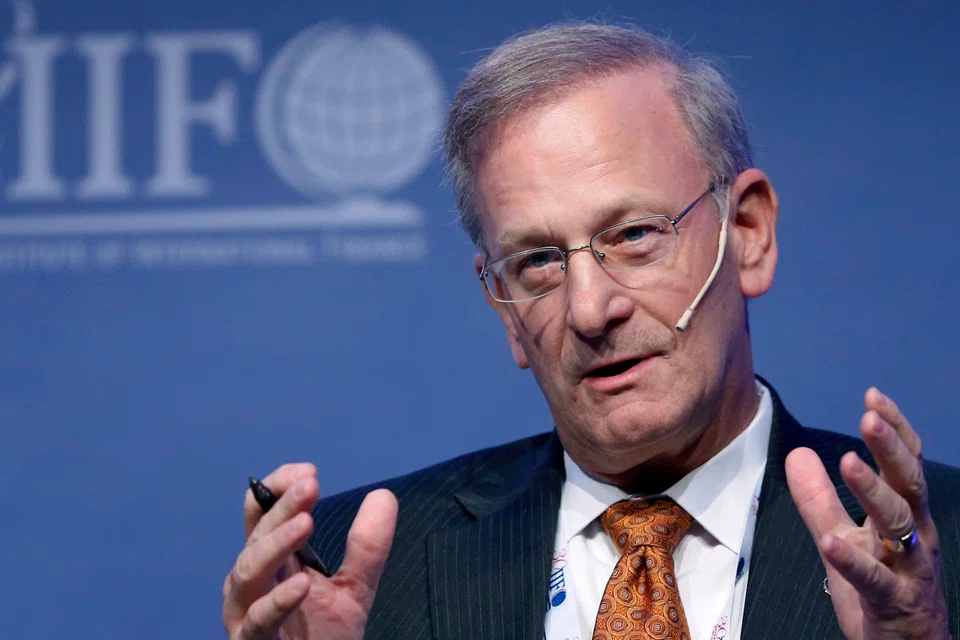
[WASHINGTON] A high-ranking official of the top US banking regulation agency said on Wednesday that a proposal to raise the level of long-term debt big financial companies should issue to help cope with possible failure could reduce financial stability.
Instead, Federal Deposit Insurance Corp Vice Chairman Thomas Hoenig said regulators should tailor debt and equity requirements, as well as resolution plans, to the unique conditions of the banks, deciding if additional debt is useful on a company-by-company basis.
Last year, the international Financial Stability Board completed its Total Loss-Absorbing Capacity standard, a minimum requirement for the instruments and liabilities a bank should have available if it needs to "bail in." It was part of a global framework for how banks deemed too big to fail could resolve a crisis without damaging the financial system or requiring vast sums of public aid.
The US version of the rule proposed by the Federal Reserve in October would also require globally systemically important banks to keep long-term debt, which could be converted to equity, at their holding companies to be used during the resolution of a bankruptcy filing. The Fed is accepting comments on the proposal through Feb. 1. "Mandating increased levels of debt as part of a broad, prescribed resolution strategy has potential effects that, paradoxically, may undermine the very financial stability being sought," Mr Hoenig said in a speech.
He said the proposal would force banks to issue hundreds of billions of dollars in new debt and encourage them to acquire riskier, higher-yielding assets or expand into non-bank activities to cover costs.
The proposal "offers no assurance that the amount of debt required would prove sufficient to avoid a failure or panic," he added.
Mr Hoenig joined the Federal Deposit Insurance Corp board in 2012. He previously was president of the Federal Reserve Bank of Kansas City for 20 years and had a front-row seat for the massive financial crisis that came to a boil in 2008 and led to rules on how to resolve a failure.
REUTERS
Share with us your feedback on BT's products and services
TRENDING NOW

Fed hike throws Singapore banks a margin lifeline; UOB most likely to feel impact

He built the Vingroup empire. Now South-east Asia’s richest man is handing some key roles to his sons

Real-estate veteran Desmond Sim quits from CEO roles at Realion, ETC
Chagee, Mixue and Luckin won the market. Sustaining their edge is the harder part

