US dollar clings to 20-year high
 Add BT as a preferred source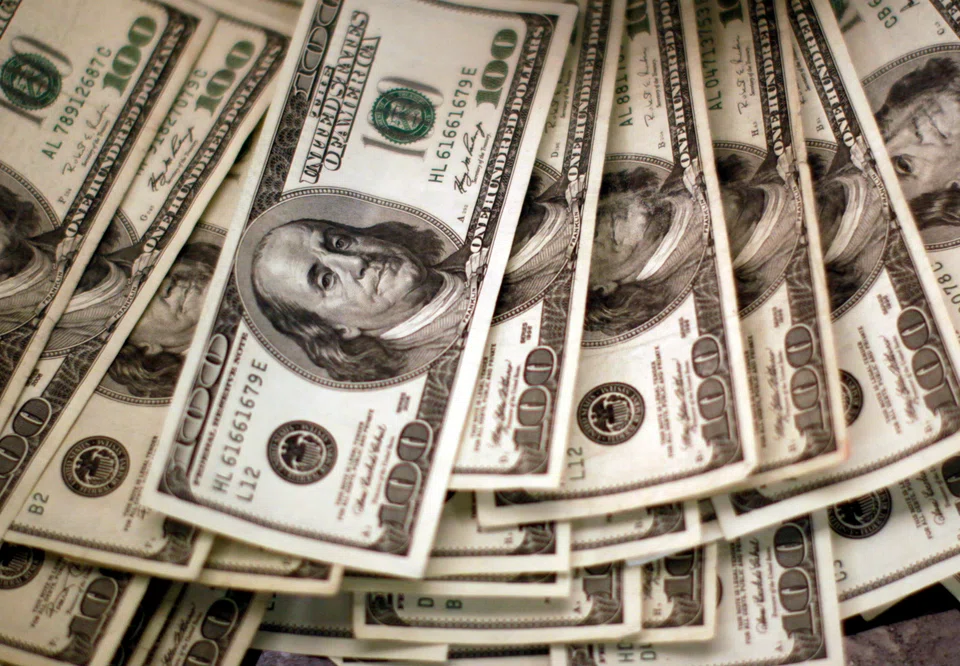
DeeperDive is a beta AI feature. Refer to full articles for the facts.
THE US dollar held close to a 2-decade high on Wednesday (May 11) as investors waited for the latest US inflation data to assess how aggressively the Federal Reserve will have to tighten monetary policy to keep rising prices in check.
The US dollar index, which measures the currency's strength against a basket of 6 other units, was on the back foot in midday European trading, slipping 0.34 per cent to 103.59.
But while expectations are for US inflation to have softened to 8.1 per cent annually in April against 8.5 per cent in March, the US dollar was still within reach of 104.19 - its strongest since December 2002 - hit at the start of the week.
"Clearly markets are sitting on their hands until we get the CPI reading," said Jeremy Stretch, head of G10 FX strategy at CIBC.
The US dollar has climbed more than 8 per cent this year as the Fed grows increasingly hawkish. Last week the central bank raised its benchmark overnight interest rate by 50 basis points, the largest hike in 22 years.
Markets are pricing in another hike of at least 50 basis points at its June meeting, according to CME's FedWatch Tool.
Navigate Asia in
a new global order
Get the insights delivered to your inbox.
Stretch argued that softer inflation could encourage the US central bank to slow down the pace of interest rate hikes to 25 basis-point increases after the summer.
Lower than expected US inflation data would also likely support the euro and could help the currency reach US$1.06 when the data is published later in the session, Stretch said.
The common currency was up 0.26 per cent to US$1.0557, having mostly traded sideways since plumbing a more than five-year low at US$1.04695 at the end of last month.
The latest calls by European Central Bank policymakers for an interest rate hike in July and President Christine Lagarde cementing such expectations on Wednesday failed to significantly prop up the euro.
"July seems to be a done deal" and has already been priced in, said Ulrich Leuchtmann, head of FX research at Commerzbank.
Fears that the war in Ukraine and rising energy prices could tilt the euro zone into recession were however making it hard to anticipate whether the ECB would be in a position to raise rates further this year, Leuchtmann argued, adding these uncertainties were weighing on the currency.
Meanwhile the yen continued to get some respite from a pause in the recent relentless rise in benchmark US Treasury yields, trading up 0.54 per cent at 129.945 per US dollar after dipping to a more than two-decade low of 131.35 on Monday.
The benchmark US 10-year note yield fell back from a more than three-year high to trade below 3 per cent on Wednesday morning.
The Aussie climbed 0.51 per cent to US$0.6977 after touching a 22-month trough of US$0.6911 earlier in the week.
Sterling rose 0.28 per cent to US$1.2352 after touching a 22-month low of US$1.2262 at the start of the week.
Bitcoin was up 3.1 per cent at US$31,966 after dropping to the cusp of US$30,000 this week for the first time since July of last year. REUTERS
Decoding Asia newsletter: your guide to navigating Asia in a new global order. Sign up here to get Decoding Asia newsletter. Delivered to your inbox. Free.
Share with us your feedback on BT's products and services