US dollar edges higher, yen slips towards level that prompted intervention
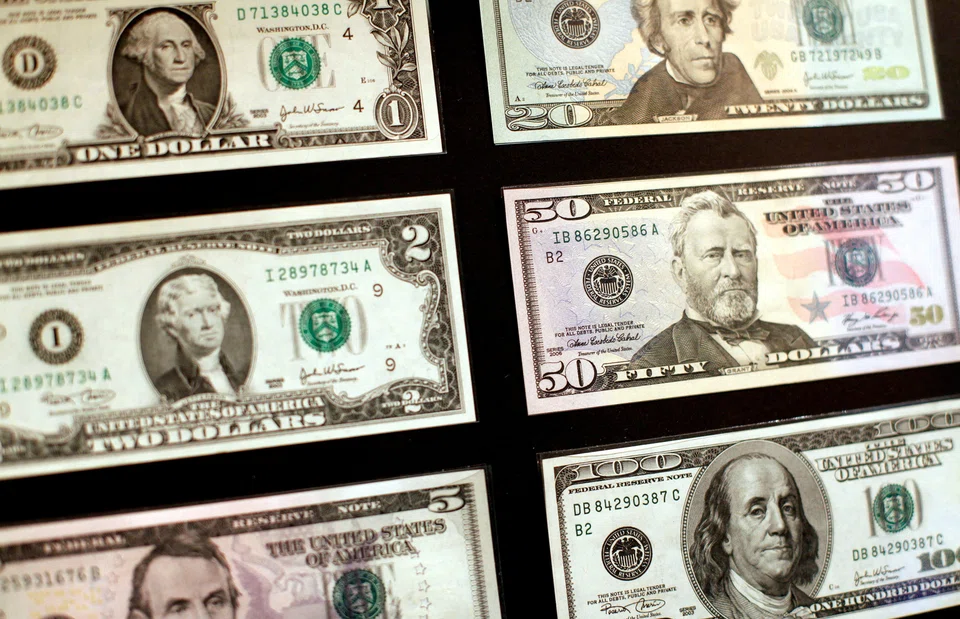
THE US dollar edged back towards September’s multi-year high on Tuesday (Oct 11) as worries about rising interest rates and geopolitical tensions unsettled investors, while the yen hovered near the level that prompted last month’s intervention.
Strong US labour market data and an expectation that Thursday’s inflation figures will remain stubbornly high have all but dashed bets on anything but high interest rates through 2023 and are driving the US dollar back towards the 2002 peak hit last month.
Risk appetite was also hurt as Russia continued to strike Ukrainian cities on Tuesday in retaliation for a blast that damaged the only bridge linking Russia to the annexed Crimean peninsula.
“The general narrative is a risk-off one,” said Francesco Pesole, FX strategist at ING, citing the escalation of the conflict in Ukraine and new US export controls, which included a measure to cut China off from certain semiconductors.
“There are the Fed minutes and US CPI this week that will be quite important for strengthening hawkish Fed expectations and could continue to support the US dollar,” Pesole added.
By 1046 GMT, the US dollar index was up 0.1 per cent at 113.14, inching towards the 20-year high of 114.78 it touched late last month.
The yen hit 145.86 per US dollar, just short of the 24-year trough of 145.90 touched before the Japanese government stepped in to prop it up three weeks ago. It was last flat at 145.68 per US dollar.
Japan chief Cabinet secretary Hirokazu Matsuno on Tuesday reiterated the government’s willingness to intervene, saying they will take “appropriate steps on excess FX moves.”
Fear of intervention has helped the yen firm in recent weeks, but as it drifts back to multi-decade lows, analysts were keeping an eye on whether the Bank of Japan will step in again.
“It’s not that easy to gauge at which level the Bank of Japan will intervene,” Pesole said.
“It’s mostly a matter of how orderly the depreciation in the yen is,” Pesole added, although he doubts that the BOJ would be comfortable with the yen at 150 per US dollar.
The euro was little changed at US$0.97075, stemming four days of losses that have seen the currency drift towards the 20-year low of US$0.9528 it touched on Sep 26.
Britain’s markets remain on edge and not exactly soothed by the Bank of England (BOE) stepping up bond buying and finance minister Kwasi Kwarteng promising to bring forward some budget announcements.
On Tuesday, the BOE acted again to stem a collapse in the government bond market by announcing a move to purchase inflation-linked debt until the end of the week.
Adding to the BOE’s headaches was labour market data that showed Britain’s unemployment rate fall to its lowest level since 1974 in the three months to August, but the drop was driven by a record jump in the number of people leaving the labour market.
Sterling wobbled, sliding for a fifth straight day to its lowest level since Sep 29 at US$1.0999. The pound was last down 0.1 per cent at US$1.1048.
Meanwhile, the risk-sensitive Australian dollar made a 2-1/2 year low of US$0.62475 on Tuesday. Analysts at the National Australia Bank said the Aussie was the market’s “whipping boy” in a selloff and that further lows were possible in the near term as sentiment is fragile.
China’s yuan eased against the buoyant US dollar despite continuing strong midpoint fixings from the People’s Bank of China, as a resurgence of Covid-19 cases dimmed the economic outlook. REUTERS
Decoding Asia newsletter: your guide to navigating Asia in a new global order. Sign up here to get Decoding Asia newsletter. Delivered to your inbox. Free.
Share with us your feedback on BT's products and services