US dollar hits 2-decade high, rattled investors plump for safe haven
 Add BT as a preferred source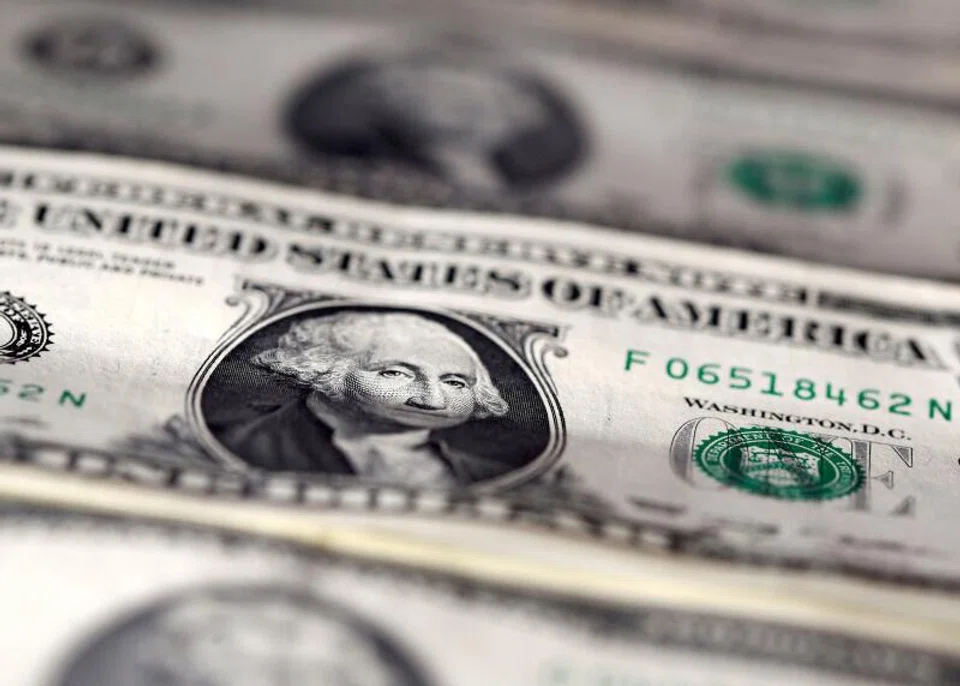
DeeperDive is a beta AI feature. Refer to full articles for the facts.
THE US dollar rose to fresh 2-decade highs on Thursday (May 12) as concerns that tighter monetary policies to tame surging inflation will hurt the global economy dampened risk sentiment and drove investors into safe-haven currencies.
Data on Wednesday showed that US consumer price growth slowed sharply in April, suggesting that inflation had probably peaked, though it was likely to stay hot.
The data confirmed expectations for further aggressive hikes in interest rates by the Federal Reserve.
Asian stocks fell to an almost 2-year low, European shares tumbled and oil prices were down 2 per cent.
The US dollar index, which measures the greenback’s strength against a basket of 6 currencies, rose 0.4 per cent to 104.45, after hitting its highest since December 2002 at 104.54.
“The US economy remains strong, and inflation is still there. We have little reason to believe that data will prevent the Fed from raising rates and starting its quantitative tightening,” Kamal Sharma, forex strategist at BofA said.
Navigate Asia in
a new global order
Get the insights delivered to your inbox.
Despite increasing expectations of a rate hike in July, the euro remained under pressure on fears that the war in Ukraine and rising energy prices could tip the eurozone into recession later this year.
“The dominant theme is not whether the ECB (European Central Bank) will hike rates in July, which is already priced in, but what is going on in economic activity and how this will spill over into central banks’ reaction function,” Sharma added.
The euro fell 0.8 per cent to US$1.0427, after hitting its lowest since January 2017 at US$1.0422.
SEE ALSO
Mizuho analysts flagged that risk sentiment soured further due to the news regarding China’s Covid situation.
Shanghai authorities combed the city on Thursday for its last Covid-19 cases to clear the way for an exit from a painful 6-week lockdown.
China’s yuan fell as low as 6.8292 per US dollar, its lowest level since September 2020, down 0.7 per cent.
The Aussie and the kiwi dollar fell around 1 per cent against the greenback to their lowest since June 2020.
The yen rose 1 per cent against the US dollar as money flowed into safe-haven assets. But it was not far from its lowest level since April 2002 as hawkish Federal Reserve rhetoric continued to weigh on the Japanese currency.
A Bank of Japan policymaker said it was inappropriate to change monetary policy to control exchange rates, brushing aside the idea of countering yen falls with rate hikes.
Bitcoin meanwhile fell to its lowest in 16 months on Thursday, leading a rush out of risk assets such as tech stocks, while the collapse of TerraUSD, a so-called stablecoin, underscored the strain on cryptocurrency markets.
Bitcoin, the world’s largest cryptocurrency, rose 1 per cent to US$28,797, after hitting its lowest since December 2020. It has lost a third of its value in the last 8 sessions. REUTERS
Decoding Asia newsletter: your guide to navigating Asia in a new global order. Sign up here to get Decoding Asia newsletter. Delivered to your inbox. Free.
Share with us your feedback on BT's products and services