

US Dollar hits 2-decade high vs yen, sterling struggles
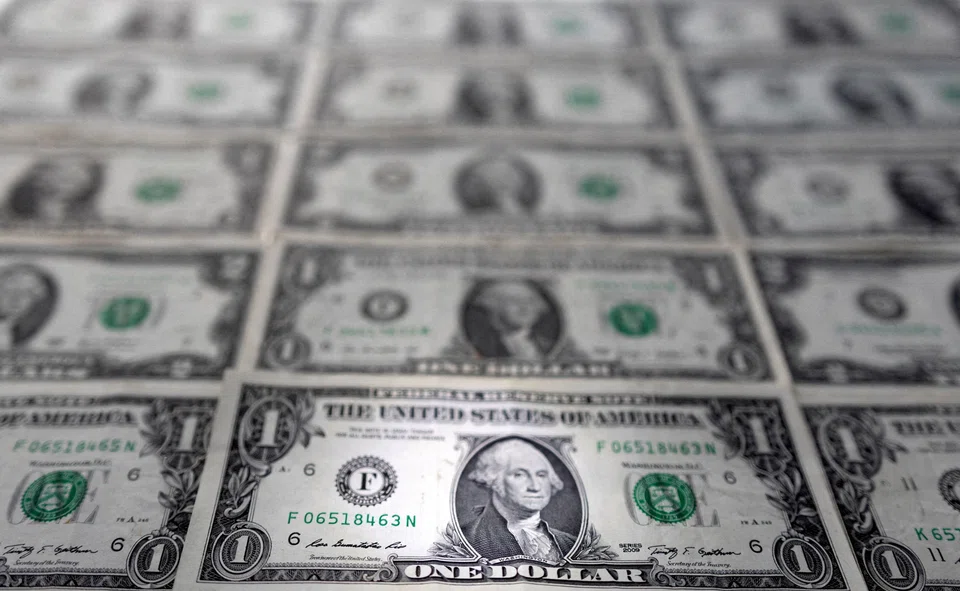
THE US dollar rose to a 2-week high as rising US Treasury yields supported the greenback, pushing the Japanese yen to its lowest level against the US dollar in 2 decades.
The yen dropped to a 20-year low of 133 per US dollar, levels that had previously been highlighted as intervention territory, a day after central bank governor Haruhiko Kuroda reiterated an unwavering commitment to "powerful" monetary stimulus.
The yen is sensitive to interest rate differentials between Japanese debt and US bonds.
Benchmark 10-year Treasury yields had climbed as high as 3.064 per cent in Tokyo trading for the first time in almost 4 weeks, before slipping back to 3.0251 per cent. Spreads between 10-year US and Japanese debt held at 277 bps, not far from a 3-1/2 year high of 292 bps hit last month.
"Lots of central banks are hawkish, the Bank of Japan is not and that's why the yen is going down," said James Lord, Global Head of FXEM Strategy at Morgan Stanley, who does not expect the central bank to step in to provide relief to the currency.
"I think for intervention to be credible and successful, it needs to be coordinated and also consistent with your monetary policy stance," he said.
The US dollar index, which measures the US dollar against a basket of 6 currencies including the yen, rose as much as 0.39 per cent, extending on Monday's (Jun 6) 0.26 per cent advance and hitting its strongest level since May 23, before trimming its advance.
The euro slipped 0.14 per cent to US$1.0680 ahead of the European Central Bank's policy-setting meeting on Thursday, where they are expected to announce an end to bond purchases, paving the way for a first rate increase in 11 years at the July meeting.
The British pound fell to its lowest level in nearly 3 weeks at US$1.2433 before trimming losses as political headwinds for British Prime Minister Johnson unnerved investors.
Johnson survived a confidence vote 211 to 148, but his 59 per cent share of the vote was less than the 63 per cent achieved by his predecessor Theresa May in her confidence vote of December 2018 who was replaced 7 months later.
The Australian dollar gained as much as 0.76 per cent immediately after the Reserve Bank of Australia hiked rates by more than expected, but quickly shed gains to trade 0.1 per cent lower.
Analysts at ING highlighted China's economic outlook and the link between the aussie and short-term rate differentials for the reversal.
"In our view, this is another testament to how short-term rate differentials have de-linked from AUD/USD dynamics and how markets are still reluctant to turn less bearish on AUD given its exposure to China's clouded demand outlook," ING analysts said in an emailed note.
New Zealand's dollar fell 0.63 per cent to US$0.6452.
China's yuan eased from a 1-month high against the US dollar, pressured by broad strength in the greenback, while some investors gauged the pace of economic recovery after Shanghai lifted its Covid-19 lockdown.
Cryptocurrency bitcoin sank 5.8 per cent to US$29,527, erasing Monday's 4.89 per cent advance and leaving it languishing well below the psychological US$30,000 mark as risk sentiment weakened amid declines in most global stock markets on Tuesday. REUTERS
Decoding Asia newsletter: your guide to navigating Asia in a new global order. Sign up here to get Decoding Asia newsletter. Delivered to your inbox. Free.
Share with us your feedback on BT's products and services
TRENDING NOW
DBS remains analysts’ pick ahead of Q3 earnings after Singapore banks’ share slump

Singapore identifies 7 firms responsible for haze fires, notices issued urging action: Grace Fu

Good Class Bungalow market activity picks up pace on ‘realistic’ pricing

High Court rules against Julius Baer’s Singapore trust arm in US$50 million family trust dispute

